10 Inventory Management Mistakes Growing Businesses Should Stop Making
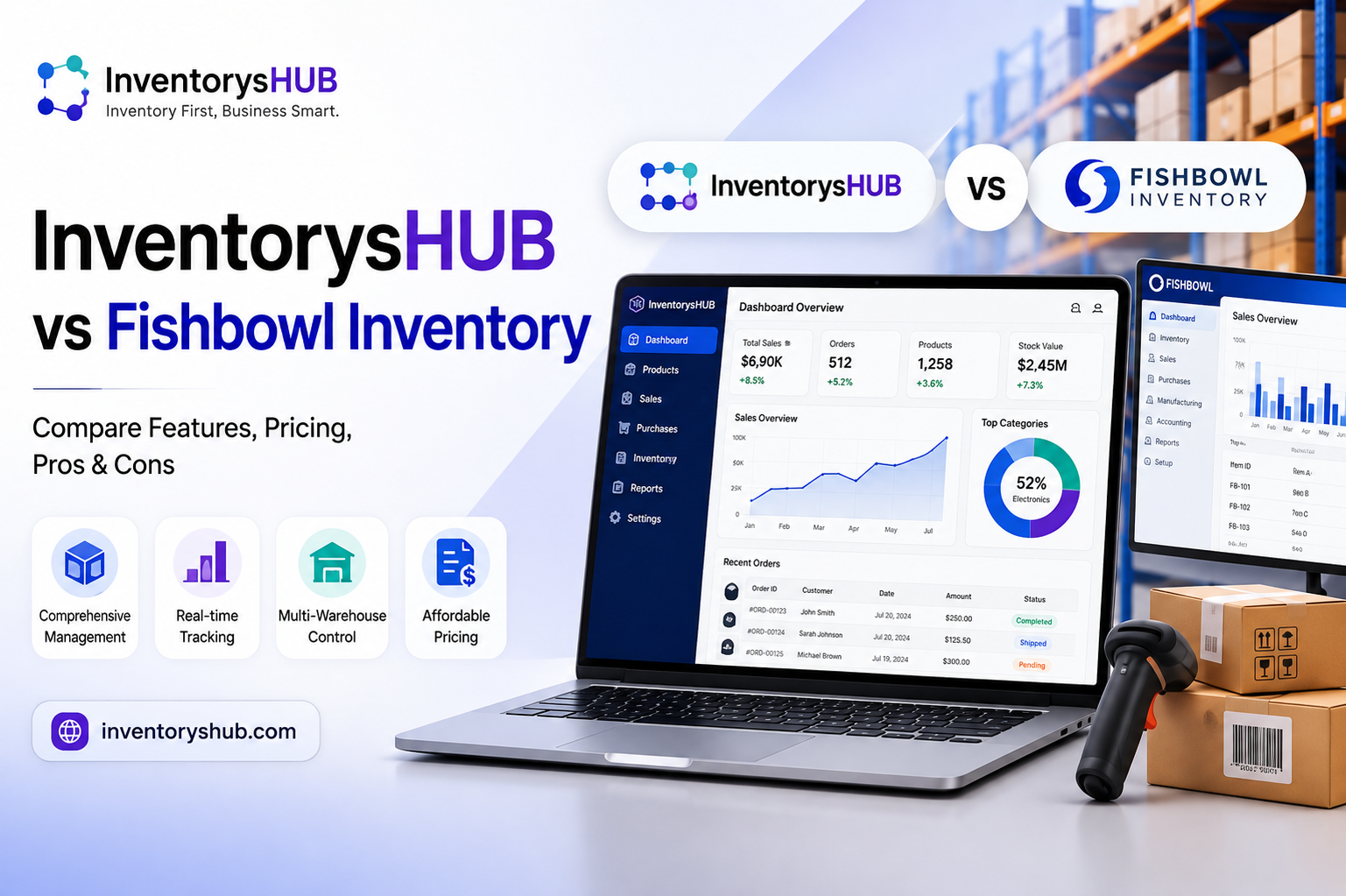
As a business grows, managing inventory becomes more challenging. What may have started as a simple spreadsheet or manual stock-counting process can quickly become difficult when the number of products, orders, suppliers, and customers increases. Poor inventory practices can lead to excess stock, stockouts, wasted storage space, unnecessary expenses, and unhappy customers.
The right approach is to create an organized inventory process that can grow alongside the business. Modern Inventory Management Solutions can help companies improve stock visibility, reduce manual work, and make better decisions based on accurate information.
Relying Too Heavily on Manual Tracking
Manual inventory tracking may be manageable for a small business with only a few products. However, as sales and product volumes increase, maintaining records manually becomes more complicated. Employees may forget to update quantities, enter incorrect figures, or record transactions inconsistently.
These small errors can eventually create major differences between actual stock and recorded stock. A business may believe that a product is available when it has already sold out, or it may order additional units when sufficient stock is already sitting in the warehouse.
Digital Inventory Management Solutions can provide a centralized way to organize inventory information and reduce dependence on spreadsheets and handwritten records.
Choosing Inventory Tools Without a Clear Purpose
There are many tools of inventory management available today, but businesses should not choose technology simply because it has a long list of features.
The right tools should address actual operational needs. Inventory tracking, barcode scanning, purchase order management, stock alerts, reporting, product categorization, and forecasting can all be useful depending on the type and size of a business.
Before adopting a new system, companies should identify their biggest inventory challenges. This makes it easier to select tools that improve efficiency instead of adding unnecessary complexity.
Waiting Until Products Are Out of Stock
A common inventory mistake is waiting until a product reaches zero before ordering more. By that point, it may already be too late to replenish the item before customers need it.
Businesses should establish suitable reorder levels based on sales velocity, supplier lead times, and expected demand. Monitoring these levels allows purchasing teams to act before inventory becomes critically low.
Reliable Inventory Management Solutions can make it easier to monitor stock levels and identify products that are approaching their reorder points.
Buying More Stock Than the Business Needs
Avoiding stockouts should not mean purchasing excessive quantities. Overstock can be just as damaging as insufficient inventory.
Excess stock takes up warehouse space and ties up business capital. Some products may also become outdated, damaged, or less desirable if they remain in storage for too long.
Businesses should analyze sales history and demand patterns before placing large purchase orders. This helps them determine which products require higher inventory levels and which should be purchased more carefully.
Ignoring Slow-Moving Inventory
Fast-selling products naturally receive more attention, but slow-moving products can quietly create significant costs.
Items that remain unsold for long periods occupy valuable space and prevent money from being used for products with stronger demand. If businesses continue purchasing slow-moving items without reviewing their performance, the problem can become increasingly expensive.
Regular inventory reports can help identify products with low turnover. Once these products are identified, businesses can consider promotions, discounts, bundles, or changes to future purchasing quantities.
Skipping Regular Physical Stock Checks
Digital inventory records are useful, but businesses should not completely eliminate physical stock checks.
Products can become damaged, misplaced, lost, returned, or incorrectly recorded. Regular physical counts help identify discrepancies between the inventory system and the actual stock available.
Businesses can use full stock counts at scheduled intervals or cycle counting to check selected products more frequently. Combining physical verification with digital records provides a more reliable view of inventory.
Making Purchasing Decisions Without Forecasting
Guesswork can become expensive when a business is growing.
Customer demand can change due to seasons, holidays, promotions, market trends, and changing buying habits. Without some form of forecasting, businesses may purchase too much inventory during periods of low demand or fail to prepare for busy periods.
Forecasting using historical sales data can help businesses estimate future inventory requirements. While no forecast can predict demand perfectly, data-based planning provides a stronger foundation than relying entirely on assumptions.
Keeping Inventory Information in Different Places
Another common mistake is storing inventory information across multiple spreadsheets, documents, emails, and software systems.
When information is scattered, employees may use different versions of the same data. This can create confusion and make it difficult to determine the actual quantity available.
Centralized Inventory Management Solutions can help bring important inventory information into one organized system. This gives teams better visibility and reduces the risk of working with outdated records.
Forgetting Supplier Delivery Times
Product demand is only one factor businesses should consider when deciding when to reorder.
Supplier lead time is equally important. If a supplier normally takes several days or weeks to deliver products, businesses need to place orders early enough to maintain sufficient stock.
Unexpected shipping delays, supplier shortages, and transportation problems can make lead times even longer. Maintaining appropriate safety stock for important products can help businesses reduce the risk of interruptions.
Failing to Analyze Inventory Performance
Inventory management should be continuously reviewed rather than treated as a one-time task.
Businesses should regularly examine product turnover, carrying costs, stockout frequency, excess inventory, purchasing patterns, and order accuracy. These measurements can reveal where inventory processes are working and where improvements are needed.
The tools of inventory management can make performance analysis easier by organizing data into useful reports. Managers can use this information to adjust purchasing strategies and improve overall inventory efficiency.
Creating an Inventory Process That Can Scale
An inventory process that works for a small business may not be suitable when the company expands.
As product catalogs become larger and order volumes increase, manual processes can quickly become a bottleneck. Businesses need systems and procedures that can handle growth without creating unnecessary administrative work.
Implementing appropriate Inventory Management Solutions can provide a more structured foundation for expansion. Better inventory visibility allows employees to work more efficiently while giving managers greater control over purchasing and stock levels.
Building Better Inventory Habits
Avoiding inventory mistakes requires more than software. Businesses also need clear procedures and responsibilities.
Employees should understand how products are received, recorded, stored, counted, sold, returned, and adjusted. Purchasing teams should have clear guidelines for reorder levels and supplier management.
Businesses should also review their inventory processes regularly. As customer demand and product ranges change, inventory policies may need to change as well.
Final Thoughts
Inventory mistakes can have a direct effect on a growing company’s profitability and customer experience. Overstock ties up capital and storage space, while stockouts can result in lost sales and dissatisfied customers.
By replacing unreliable manual processes, monitoring stock levels, reviewing demand, analyzing slow-moving products, and using effective Inventory Management Solutions, businesses can gain greater control over their inventory.
The right tools of inventory management can also improve visibility and reduce unnecessary manual work. Most importantly, businesses can make purchasing and stocking decisions based on reliable information instead of guesswork.
A strong inventory management process should grow with the business. By identifying common mistakes early and continuously improving inventory practices, growing companies can reduce costs, improve efficiency, maintain better product availability, and build a stronger foundation for long-term success.






recent post

What Should You Look for When Choosing a Dentist in Albany WA?
October 17, 2026


How Can You Find the Best Pediatric Dentist in Manhattan?
October 17, 2026

CONTACT US

Category
MUST READ


Popular Posts