Artificial Grass Adhesive Tape: A Complete Guide to Strong and Seamless Turf Installation
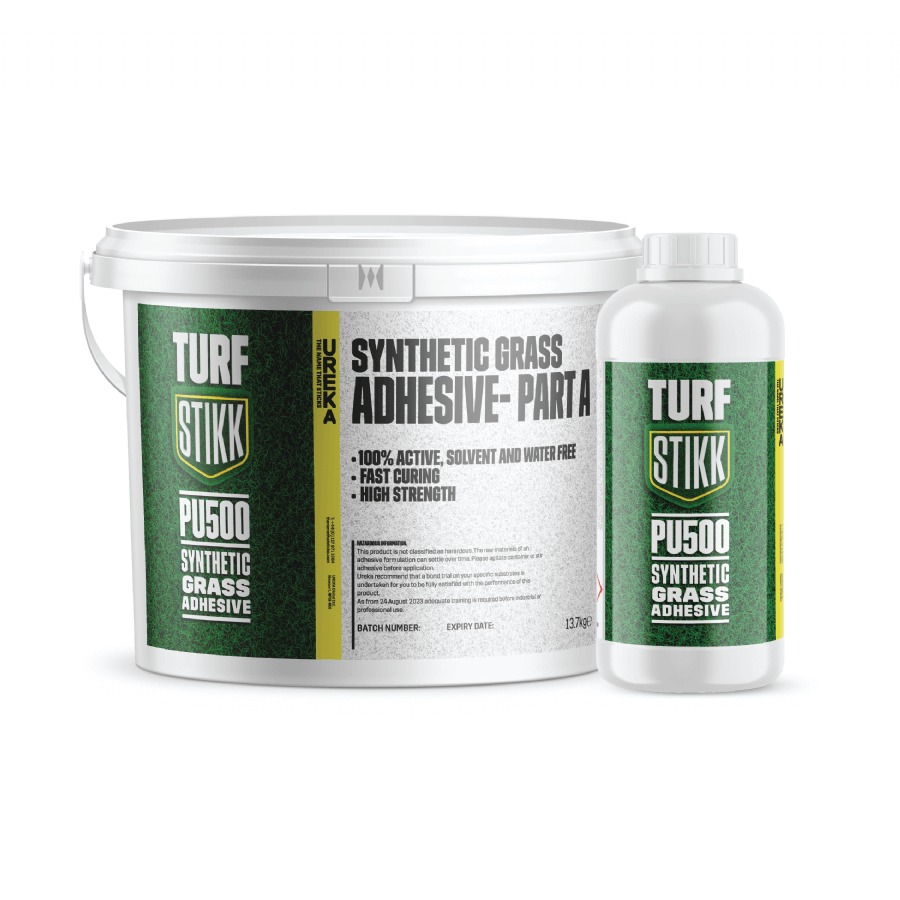
Installing artificial grass has become a popular choice for homeowners, businesses, and landscape professionals who want a low-maintenance and attractive outdoor surface. While selecting high-quality turf is important, the success of any installation depends heavily on the materials used during the process. One essential component for creating a secure and professional finish is artificial grass adhesive tape.
Designed to connect sections of synthetic turf, this specialised tape provides a strong bond while helping create a seamless appearance. Whether you are installing artificial grass in a garden, balcony, playground, or commercial space, choosing the right artificial grass joining tape can make a significant difference in durability and overall results.
Why Artificial Grass Joining Tape Is Important
Artificial grass installations often require multiple rolls or sections of turf to cover larger areas. Without a reliable joining method, visible gaps, movement, or uneven surfaces can develop over time.
Artificial grass joining tape works by securely connecting two pieces of synthetic turf underneath the surface. It helps maintain alignment while preventing sections from separating due to regular foot traffic, weather conditions, or outdoor use.
A quality joining solution offers several benefits:
- Creates a smooth and professional-looking finish
- Keeps turf sections securely connected
- Reduces visible seams between grass rolls
- Improves the long-term stability of the installation
- Helps maintain the appearance of artificial grass
For both DIY projects and professional installations, using suitable joining materials is an important step toward achieving a lasting result.
How Artificial Grass Adhesive Tape Works
Artificial grass adhesive tape is typically installed underneath the turf where two sections meet. The tape provides a foundation for bonding and helps keep the edges of the grass securely in place.
The installation process generally involves:
Preparing the Surface
Before applying tape, the ground should be clean, dry, and properly prepared. Removing dirt, debris, and moisture helps improve adhesion.
Positioning the Joining Tape
The tape is placed beneath the seam where two artificial grass sections meet. Correct positioning ensures that both edges sit evenly on the tape.
Securing the Turf
Once the turf is aligned, pressure is applied to create a strong connection. This allows the adhesive to bond effectively with the backing of the artificial grass.
Proper installation techniques are essential because even the highest-quality tape will not perform well if the surface preparation is inadequate.
Choosing the Right Artificial Grass Adhesive Tape
Not all joining tapes are the same. The right product depends on the type of turf, installation location, and expected usage.
When selecting artificial grass adhesive tape, consider the following factors:
Weather Resistance
Outdoor artificial grass is exposed to changing weather conditions, including rain, heat, and temperature fluctuations. A durable adhesive tape should be designed to withstand outdoor environments.
Strength and Durability
A strong bonding system helps prevent turf sections from shifting or separating. This is especially important in high-traffic areas such as gardens, commercial spaces, and recreational areas.
Ease of Installation
For DIY installers, choosing a tape that is simple to position and apply can make the installation process easier and more efficient.
Common Applications of Artificial Grass Joining Tape
Artificial grass joining tape is suitable for many different applications, including:
- Residential gardens
- Patios and balconies
- Rooftop terraces
- Pet areas
- Sports surfaces
- Commercial landscapes
- Event spaces
Each application may have different requirements, but the goal remains the same: creating a secure and visually appealing artificial grass surface.
Mistakes to Avoid During Installation
Using artificial grass adhesive tape correctly is important for achieving the best results. Several common mistakes can affect performance.
Avoid:
- Installing tape on wet or dirty surfaces
- Failing to align turf edges properly
- Using unsuitable joining materials
- Applying insufficient pressure during installation
- Ignoring manufacturer recommendations
Taking extra care during installation can prevent future repairs and help extend the life of the artificial grass.
Benefits of Professional-Looking Artificial Grass Installation
A well-installed artificial grass surface offers more than visual appeal. Proper joining techniques contribute to better performance and durability.
A professional finish provides:
- A natural-looking appearance
- Improved surface stability
- Reduced maintenance requirements
- Better resistance to everyday use
- Increased lifespan of the turf system
Small installation details, such as selecting the correct joining tape, can have a major impact on the final outcome.
Maintaining Artificial Grass After Installation
Although artificial grass requires less maintenance than natural grass, regular care helps preserve its appearance.
Helpful maintenance practices include:
- Removing leaves and debris regularly
- Cleaning spills promptly
- Checking seams occasionally
- Brushing fibres to maintain appearance
A properly installed surface supported by quality materials will generally require minimal upkeep.
Conclusion
The right installation materials play an essential role in creating durable and attractive synthetic turf surfaces. Artificial grass adhesive tape provides the strength and stability needed to connect turf sections effectively, while artificial grass joining tape helps create seamless finishes that improve both appearance and performance. By selecting quality products and following proper installation methods, homeowners and professionals can achieve a reliable artificial grass solution that remains visually appealing for years.



recent post

Prepare for AWS Certification Success with Effective Practice Exams
September 3, 2026
Reliable Access Mats for Safer Worksites and Outdoor Areas
September 3, 2026

CONTACT US

Category
MUST READ


Popular Posts