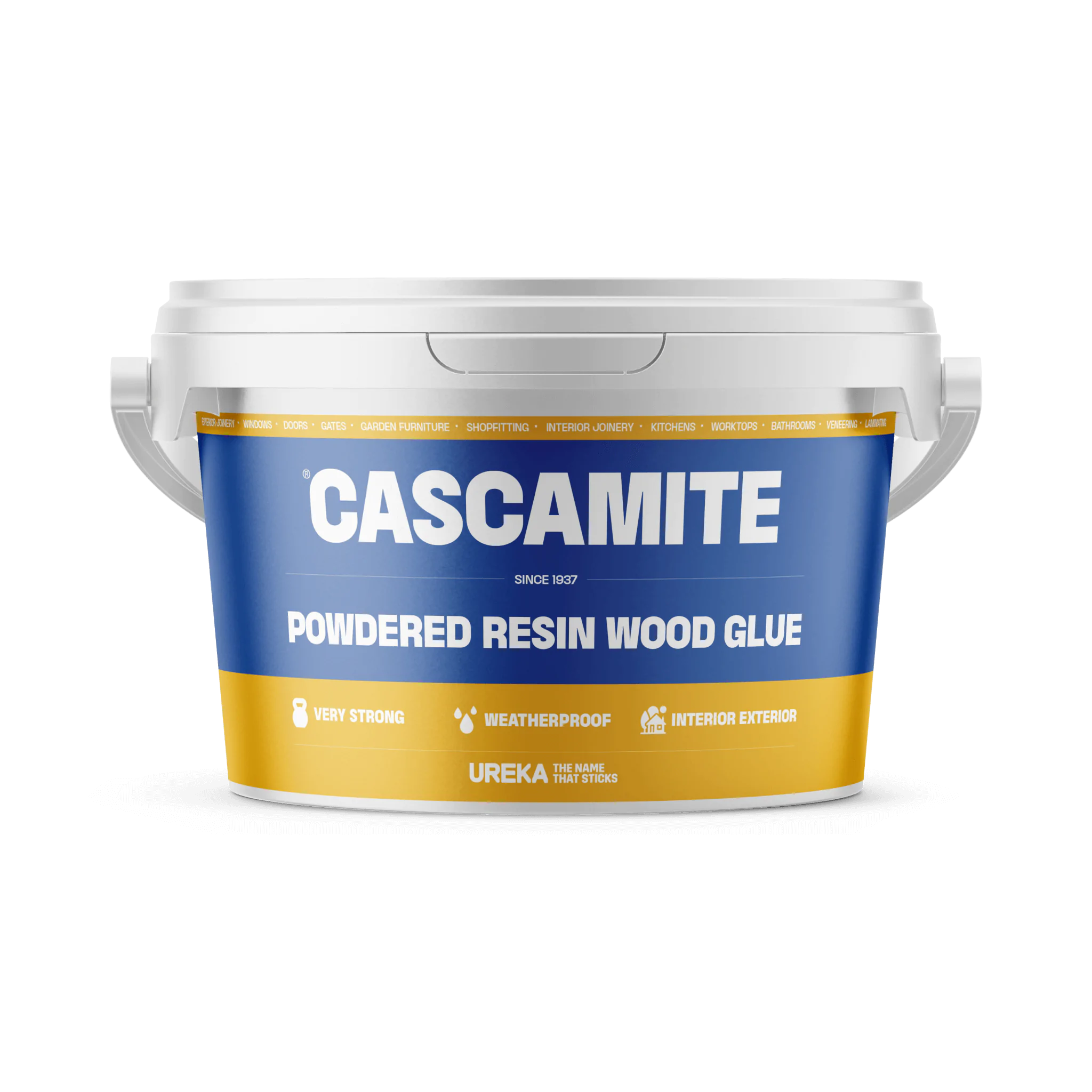
Wood veneer can transform ordinary furniture, cabinets, doors, panels, and interior surfaces into attractive wood finishes. However, achieving a smooth and durable result depends heavily on selecting the right adhesive. The wrong product can lead to bubbling, lifting, uneven surfaces, or visible joint problems. Choosing a suitable wood veneer adhesive is therefore one of the most important steps in any veneering project.
Whether you are a professional woodworker or completing a DIY furniture project, understanding how veneer adhesives work can help you achieve a cleaner and longer-lasting finish.
Why Choosing the Right Veneer Adhesive Matters
Wood veneer is usually thin, which makes it more sensitive to moisture, heat, and movement than solid wood. When veneer is attached to a substrate, the adhesive needs to create a strong bond without causing excessive movement or distortion.
A quality adhesive should spread evenly across the surface and provide sufficient working time for positioning the veneer. It should also cure into a stable bond that can withstand normal use.
The right choice depends on several factors, including the type of veneer, substrate, application method, project size, and working environment.
Understanding Wood Veneer Adhesive
A wood veneer adhesive is specially selected to bond thin sheets of natural or engineered wood veneer to substrates such as plywood, MDF, particleboard, or other suitable surfaces.
Different adhesive technologies are available for veneering. PVA-based products are widely used for many woodworking applications because they are easy to handle and provide strong wood-to-wood bonds. Contact adhesives may be useful for certain applications where immediate bonding is desirable, while specialized veneer adhesives can offer characteristics suited to larger or more demanding projects.
Before purchasing an adhesive, always check whether it is specifically recommended for veneer and your chosen substrate.
What Makes a Good Veneer Glue?
A good veneer glue should provide reliable adhesion while allowing enough time to position the veneer correctly. It should also minimize the risk of bubbles, lifting, and uneven bonding.
Another important consideration is moisture. Some adhesives contain significant amounts of water, which can cause thin veneer to expand temporarily. As the veneer dries, it may shrink and create problems such as cracking or curling.
For sensitive veneer species or large panels, choose an adhesive designed to minimize these issues. Following the manufacturer’s instructions is essential because application methods and curing requirements can vary between products.
Preparing the Surface Before Applying Glue
Successful veneering begins before the adhesive is applied. The substrate should be flat, clean, dry, and free from dust, grease, wax, and loose material.
If the substrate is uneven, correct the problem before applying the veneer. Small imperfections can become surprisingly noticeable once a thin veneer is installed.
The back of the veneer should also be clean and suitable for bonding. Avoid excessive sanding because veneer can be extremely thin. Sanding too aggressively may damage the sheet or create an uneven surface.
Good preparation allows the adhesive to make consistent contact across the entire bonding area.
Applying Veneer Adhesive Properly
The application technique depends on the adhesive being used. Some products can be rolled or brushed onto the surface, while others require specific application tools.
Apply an even layer rather than creating thick areas of adhesive. Uneven coverage can contribute to weak spots or surface irregularities.
Position the veneer carefully and work systematically. For larger surfaces, having the necessary tools and materials ready before applying adhesive can prevent rushed decisions.
Once the veneer is positioned, apply suitable pressure across the surface. A veneer press, vacuum press, clamps, or other appropriate method may be used depending on the project and adhesive.
Uniform pressure helps the veneer remain in close contact with the substrate while the adhesive cures.
Preventing Bubbles and Veneer Lifting
Bubbles are among the most frustrating problems in veneering. They can occur when air becomes trapped between the veneer and substrate or when the adhesive is distributed unevenly.
To reduce the risk, make sure the adhesive is spread consistently and the veneer is pressed properly during curing.
Edges also require special attention. If insufficient adhesive or pressure is present around the edges, the veneer may begin to lift over time.
Avoid disturbing the veneer while the adhesive is curing. Even small movements can affect the final bond.
Choosing Glue for Different Projects
A small decorative project may have different requirements from a large cabinet door or furniture panel. For simple indoor projects, a standard woodworking adhesive recommended for veneer may be sufficient.
For larger surfaces, look for a product that provides suitable open time, reliable coverage, and strong long-term adhesion. If the finished piece will be exposed to humidity or changing temperatures, consider an adhesive designed to handle those conditions.
Always read the technical information supplied by the manufacturer. It can provide important details about working time, curing time, application temperature, coverage, and substrate compatibility.
Tips for Better Veneering Results
Several simple practices can improve the quality of a veneering project:
- Prepare all surfaces before opening the adhesive.
- Make sure the substrate is flat and clean.
- Use an adhesive suitable for the specific veneer and substrate.
- Apply the adhesive evenly.
- Position the veneer carefully.
- Use consistent pressure during curing.
- Allow the adhesive to cure fully before sanding or finishing.
- Follow the manufacturer’s safety and application instructions.
Taking extra time during preparation often saves considerable effort during finishing.
Final Thoughts
A beautiful veneer finish depends on more than the appearance of the wood. The adhesive underneath plays a crucial role in determining how well the veneer performs over time. Selecting the right wood veneer adhesive can help prevent common problems such as bubbling, lifting, and poor adhesion.
When choosing veneer glue, consider the veneer type, substrate, project size, moisture exposure, application method, and required curing time. Combine the appropriate adhesive with careful surface preparation and consistent pressure, and you can create a smooth, attractive finish that remains securely bonded for years.
The best veneering projects are built on patience, preparation, and the right adhesive. With these fundamentals in place, even a straightforward DIY project can achieve a professional-looking result.


recent post
Wood Veneer Adhesive: Choose the Right Glue for Veneer
August 17, 2026
How Can Professional Pest Control Eliminate Silverfish?
August 17, 2026

Why Are WordPress Maintenance and Support Services Important?
August 17, 2026

How Can You Choose the Best Whitening Strips for Your Teeth?
August 17, 2026

CONTACT US

Category
MUST READ

Popular Posts