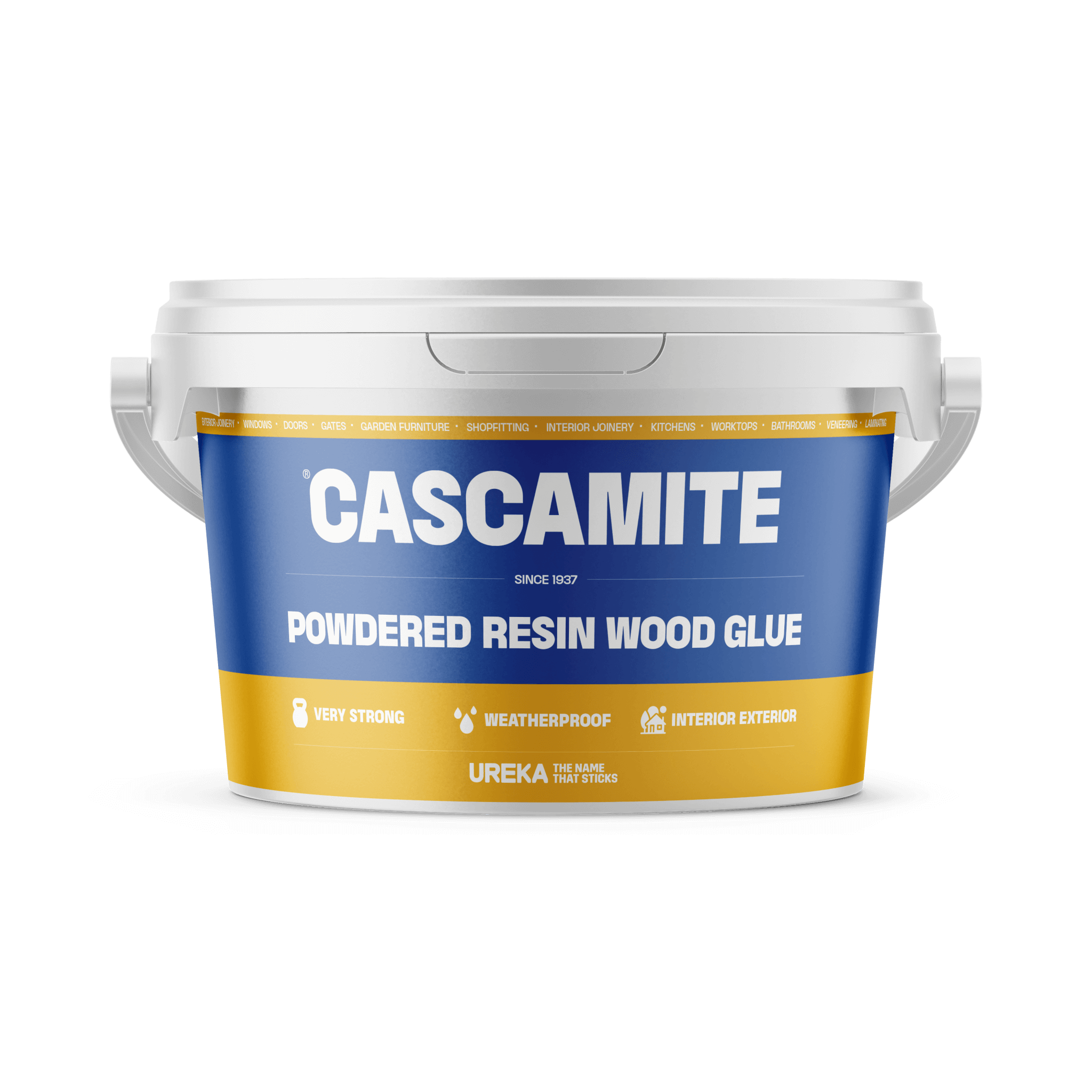
A strong woodworking project starts with quality materials, accurate measurements, and reliable joints. While screws, nails, and joinery techniques all have their place, adhesive plays an equally important role in creating durable connections. Selecting the best woodworking glue can help improve joint strength, stability, and the overall quality of a finished project.
However, not every adhesive works equally well for every application. Different woodworking tasks require different levels of strength, moisture resistance, flexibility, and curing time. Understanding these differences makes it easier to choose a good wood glue for furniture, cabinetry, repairs, crafts, and other projects.
Why Wood Glue Is Important
Wood naturally expands and contracts as humidity and temperature change. A suitable adhesive needs to bond the surfaces while accommodating the normal movement of the material. A quality glue can strengthen joints and help prevent gaps or separation over time.
Unlike mechanical fasteners alone, adhesive spreads the bonding force across the contact area. This can create cleaner-looking joints and reduce the need for visible screws or nails.
For this reason, selecting the best woodworking glue should be treated as an important part of project planning rather than an afterthought.
Different Types of Wood Glue
Woodworking adhesives come in several formulations, each designed for particular requirements.
PVA Adhesives
PVA wood glue is one of the most popular options for everyday woodworking. It is commonly used for cabinets, tables, shelves, frames, and general wood-to-wood joints. Many formulations offer easy application, good bonding strength, and convenient cleanup.
Polyurethane Adhesives
Polyurethane glue can be a useful choice for applications where moisture resistance is important. It is suitable for certain indoor and outdoor projects, although users should follow the manufacturer’s application and curing instructions carefully.
Epoxy Adhesives
Epoxy provides a strong and durable bond and can also be useful for filling small gaps. It is often selected for demanding repairs or situations where additional resistance is needed. Because epoxy generally involves mixing components, it requires more preparation than standard wood glue.
What Makes a Good Wood Glue?
A good wood glue should match the requirements of the project. Strength is important, but it is not the only factor to consider.
Working time matters when assembling large or complicated joints. A glue that cures too quickly may make positioning difficult, while an adhesive with a longer working period can provide more time for adjustments.
Moisture resistance is another consideration. Indoor decorative projects may not require the same adhesive properties as outdoor furniture or woodworking exposed to humidity.
Ease of cleanup can also influence the choice. Excess adhesive should be removed before it fully cures, particularly around areas that will later be stained or finished.
How to Get Better Results
Even the best woodworking glue cannot compensate for poorly prepared surfaces. Before applying adhesive, make sure the wood is clean, dry, and free from dust or contaminants.
Apply a consistent layer of glue across the intended bonding area. Avoid using excessive adhesive, as more glue does not necessarily create a stronger joint. Too much product can also make cleanup more difficult.
Clamping is another essential step. Position the pieces accurately and apply appropriate pressure to keep the joint stable while the adhesive cures. Avoid moving the assembly prematurely.
Always check the manufacturer’s recommended curing time before sanding, machining, finishing, or placing heavy loads on the joint.
Choosing Glue for Specific Projects
For basic furniture assembly and general repairs, PVA is often a practical option. For projects that may encounter moisture, a moisture-resistant formulation may be more appropriate. For repairs involving gaps or unusual materials, epoxy or another specialized adhesive may provide better performance.
The best woodworking glue therefore depends on the project rather than simply the product’s advertised strength. Consider the wood species, joint design, environment, curing time, and finishing requirements before making a selection.
Conclusion
The right adhesive can significantly improve the durability and appearance of a woodworking project. Whether you are assembling furniture, repairing a wooden item, or creating a detailed craft project, choosing a good wood glue helps create dependable joints and long-lasting results.
Instead of selecting an adhesive based only on strength, consider the complete application. With properly prepared surfaces, correct glue application, suitable clamping, and adequate curing time, you can achieve strong and professional-quality woodworking joints. The ideal adhesive is ultimately the one that matches the materials, conditions, and purpose of your specific project.




recent post

Tax Filing Guide for Defence Personnel in India
August 26, 2026
Exploring Vape Flavours and Nicotine Pouches in Australia
August 26, 2026

How Does a Crypto and Forex Scanner Extension Work?
August 26, 2026
CONTACT US

Category
MUST READ

Popular Posts