Gate Valve Supplier in USA: Selecting the Right Design for Industrial Isolation
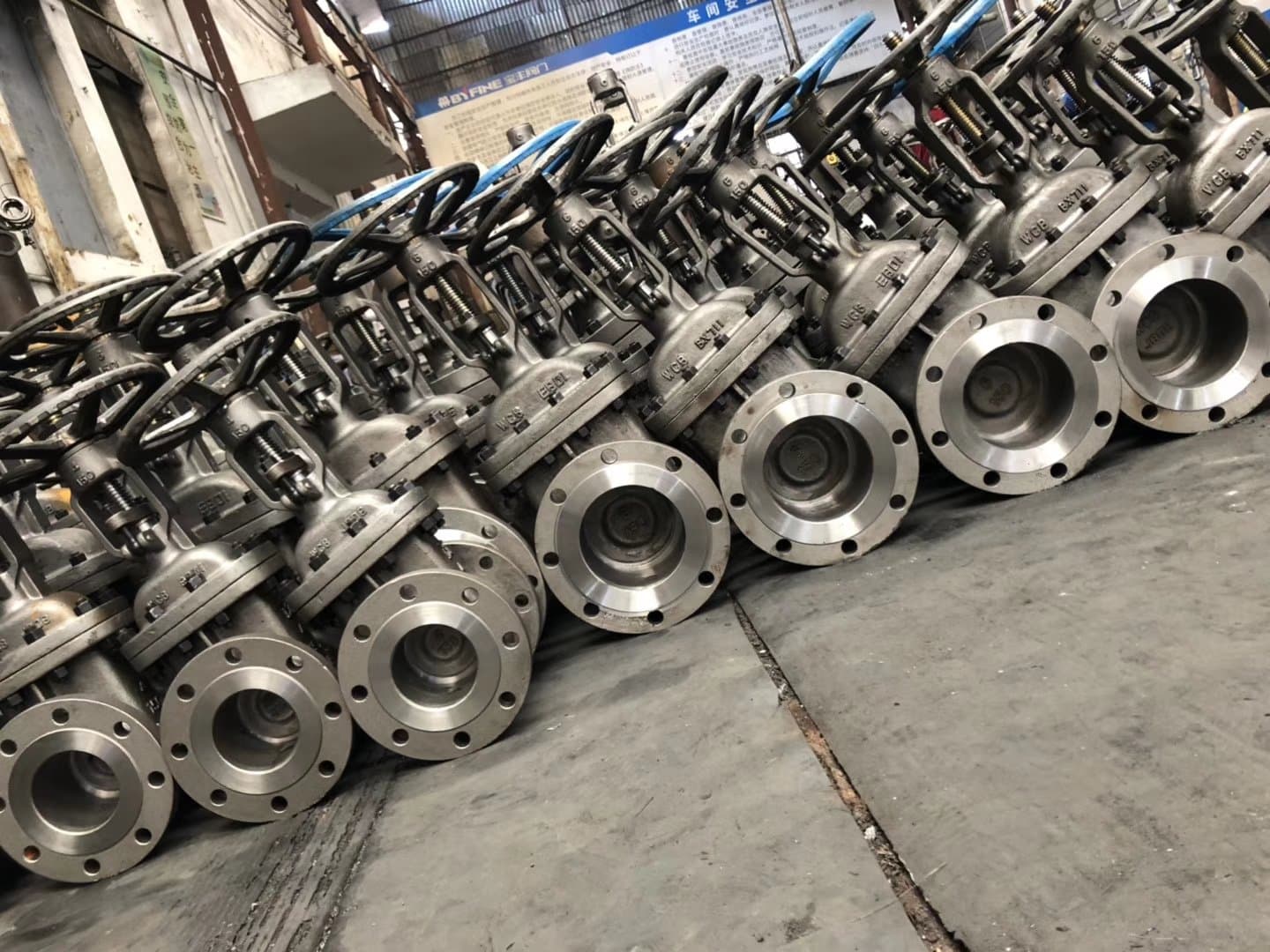
Gate valves are among the most recognisable valves in industrial piping, but that familiarity can sometimes encourage oversimplified selection.
An enquiry may state only “8-inch Class 300 gate valve, carbon steel,” yet several engineering decisions remain unresolved. A technically capable gate valve supplier in USA should consider wedge design, body and trim material, bonnet arrangement, stem configuration, end connections, operating temperature, pressure class and the required testing standard.
Gate Valves Are Primarily Isolation Valves
A conventional gate valve works by moving a gate or wedge vertically into and out of the fluid path.
When fully open, the flow passage can provide relatively low flow resistance. This makes gate valves well suited to applications where the valve remains predominantly either fully open or fully closed.
They are generally not selected for routine throttling.
Operating a conventional gate valve partially open for prolonged periods can expose the seating surfaces and closure element to high-velocity flow, potentially leading to vibration, erosion and unstable operation.
Where continuous flow regulation is required, a globe valve, control valve or another throttling design may be more appropriate.
Wedge Design Matters
Not all gate valves use the same closure arrangement.
Solid wedges provide relatively simple construction.
Flexible wedges incorporate a degree of flexibility that can help accommodate seat alignment and dimensional changes associated with operating conditions.
Parallel-slide designs use parallel seating surfaces and are found in applications where their particular sealing behaviour is advantageous.
Pipeline service can also involve slab-style gate valves depending on the applicable specification.
The correct design depends on pressure, temperature, thermal cycling, required sealing and the governing valve standard.
Cast and Forged Construction
Industrial gate valves can be manufactured from cast or forged materials.
Cast steel gate valves are commonly used over a broad range of pipeline sizes. API 600 is widely associated with bolted-bonnet steel gate valves used in petroleum and process applications.
Smaller forged valves commonly follow API 602 and can be selected for higher-integrity small-bore services.
Body material may include carbon steel, stainless steel, alloy steel or special corrosion-resistant alloys.
The valve trim should be reviewed separately.
Seat surfaces and stem materials may require stainless steel, hard-facing or other materials depending on corrosion, erosion and operating conditions.
Bonnet Construction Changes with Service
Bolted bonnets are common across a large range of industrial gate valves.
Higher-pressure and high-temperature services can make pressure-seal bonnet construction attractive because internal pressure contributes to the sealing action of the bonnet joint.
Special applications may require bellows-sealed stem arrangements where reducing external leakage is particularly important.
There is therefore no single “industrial gate valve” construction suitable for every line.
Stem Arrangement Affects Operation
Gate valves may use rising-stem arrangements where stem position provides a visual indication of valve travel.
Outside screw and yoke construction also keeps stem threads away from the process fluid, making inspection and maintenance easier in many industrial services.
Large valves can require significant operating thrust.
A handwheel may be practical for smaller sizes, but larger or higher-pressure valves commonly require bevel gear operators or electric actuation.
Actuator selection needs to consider required seating and unseating thrust rather than only valve size.
End Connections and Dimensions Must Be Checked
Flanged gate valves need to match the pipeline flange standard, facing and drilling.
Butt-weld gate valves require appropriate end preparation.
Face-to-face or end-to-end dimensions also matter, particularly for replacement projects or prefabricated piping.
A valve with the correct nominal diameter can still create significant site problems if dimensional standards do not match the approved piping layout.
This is one reason general arrangement drawings should be reviewed before production on critical projects.
Testing Cannot Be an Afterthought
Pressure testing verifies the integrity of the pressure-containing body and valve seating system.
The exact test pressure, duration and permitted seat leakage depend on the governing standard and valve specification.
Projects may also request visual inspection, dimensional inspection, NDE, positive material identification or third-party witness points.
These additional requirements should ideally be defined before manufacturing.
Documentation may include material certificates, pressure-test reports, dimensional drawings, coating records and inspection reports.
Selecting for Long-Term Service
Price matters in valve procurement, but the real cost of a gate valve includes installation, operation, maintenance and potential plant downtime.
A properly selected valve should match the line pressure, temperature, fluid characteristics and expected operating cycle.
ValvesOnly supplies gate valves for water, oil and gas, power, petrochemical, chemical and other industrial applications in a variety of materials and operating configurations.
When evaluating a gate valve supplier in USA, buyers should therefore look beyond nominal size and pressure class.
A useful supplier should be able to explain why a particular gate design, trim, bonnet arrangement and operating method suits the application. That engineering conversation often determines whether the valve delivers dependable isolation for years or becomes an unexpected maintenance issue.




recent post

Why Should You Consider Manhattan Teeth Whitening?
October 3, 2026

What Does a Pre-Purchase Inspection Include?
October 3, 2026

Why Is Professional Wasp Nest Removal in Calgary Important?
October 3, 2026
CONTACT US

Category
MUST READ


Popular Posts