What Is the Recovery Like After Gynecomastia Surgery in Houston?
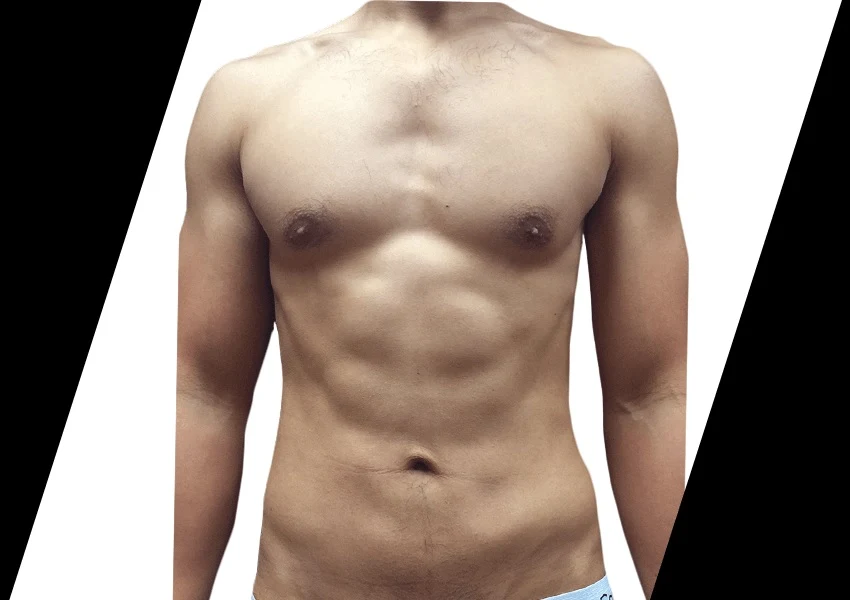
Gynecomastia surgery can help men achieve a flatter, firmer, and more balanced chest when enlarged breast tissue does not respond to diet or exercise. While the procedure itself is important, recovery plays an equally important role in achieving satisfying results. Understanding what happens after surgery can help you prepare physically and mentally for the healing process.
Patients considering gynecomastia surgery Houston often have questions about pain, swelling, activity restrictions, compression garments, and when they can return to work or exercise. Although every patient heals differently, knowing the typical recovery timeline can make the experience more comfortable and predictable.
What Happens Immediately After Gynecomastia Surgery?
After gynecomastia surgery, your surgical team will monitor you as you recover from anesthesia. Once you are alert and stable, you can usually return home with specific aftercare instructions.
You may experience some swelling, bruising, tightness, or mild discomfort around the chest. These symptoms are common during the first few days. Your surgeon may recommend prescribed or over-the-counter medication to help control discomfort.
A compression garment may also be recommended. It supports the treated area, limits swelling, and helps the chest settle into its new contour. Follow your surgeon’s instructions carefully regarding how long to wear it.
How Painful Is Gynecomastia Surgery Recovery?
Most patients experience manageable discomfort rather than severe pain. The intensity can vary depending on the surgical technique, the amount of tissue removed, and individual pain tolerance.
During the first several days, your chest may feel sore, tight, or sensitive. Simple movements such as getting out of bed or raising your arms may feel uncomfortable. Taking medication as directed and getting adequate rest can make this stage easier.
Instead of pushing through discomfort, give your body time to recover. Your surgeon will provide personalized instructions based on your procedure and overall health.
How Long Does Swelling Last After Gynecomastia Surgery?
Swelling is one of the most common parts of recovery. It typically appears soon after surgery and gradually decreases over the following weeks.
You may notice that one side of your chest looks slightly different from the other during the early healing period. Temporary asymmetry can occur because swelling does not always disappear evenly.
Do not judge your final result too quickly. Your chest needs time to heal, and residual swelling can temporarily hide the improved contour. Following your postoperative instructions can support a smoother recovery.
When Can You Return to Work?
Your return-to-work timeline depends on your occupation and how your body responds to surgery. Patients with desk-based jobs may return relatively soon if they feel comfortable, while physically demanding jobs may require additional time away.
Your surgeon will let you know when you can safely resume normal work activities. Even if you feel better after a few days, avoid assuming that your body has completely healed.
Planning some time away from work before surgery can reduce stress and allow you to focus on recovery rather than rushing back to your normal schedule.
When Can You Exercise After Gynecomastia Surgery?
Exercise restrictions are an important part of recovery. Walking is often encouraged because gentle movement can support circulation and prevent prolonged inactivity. However, strenuous workouts should wait until your surgeon gives you clearance.
Activities that heavily engage the chest, shoulders, and upper body can place unnecessary stress on healing tissues. Weightlifting, push-ups, running, and intense sports may therefore need to remain off your schedule temporarily.
As healing progresses, your surgeon can guide you through a gradual return to physical activity. Following this progression can help protect your surgical results.
Why Is a Compression Garment Important During Recovery?
A compression garment can play an important role after gynecomastia surgery. It applies gentle, consistent pressure to the treated area and can help control postoperative swelling.
The garment can also provide support while your tissues heal. Your surgeon may recommend wearing it for a specific number of weeks depending on your procedure and recovery.
Choose comfort and proper fit over making your own adjustments. Wear the garment according to your surgeon’s instructions rather than changing the schedule based on how you feel on a particular day.
How Should You Care for Your Surgical Incisions?
Proper incision care can help promote healthy healing. Your surgical team will explain how to clean the area, manage dressings, and recognize signs that require medical attention.
Avoid soaking your incisions in pools, hot tubs, or baths until your surgeon confirms that it is safe. You should also avoid unnecessary pressure or friction around the surgical area.
Follow all medication and wound-care instructions carefully. If you notice unusual drainage, increasing redness, severe pain, fever, or another concerning symptom, contact your surgical team promptly.
What Can You Expect During the First Few Weeks?
The first week usually focuses on rest, basic movement, medication management, and protecting the surgical area. Swelling and bruising may still be noticeable.
During the second and third weeks, many patients begin feeling more comfortable and gradually resume everyday activities. However, internal healing continues even when the outside of the chest appears much better.
Over the following weeks and months, swelling continues to decrease and the chest contour becomes more refined. Scar appearance may also change over time as the incisions mature.
When Will You See the Final Results?
You may notice an improvement in your chest shape soon after surgery, but the early appearance does not necessarily represent the final result. Swelling and tissue healing can affect the contour for several weeks or longer.
As swelling decreases, the chest can gradually develop a flatter and more natural appearance. Patience is important because your body needs time to complete the healing process.
Regular follow-up appointments allow your surgeon to evaluate your progress and determine whether your recovery is proceeding as expected.
How Can You Make Gynecomastia Recovery Easier?
Preparing before surgery can make your recovery more convenient. Arrange transportation home, organize a comfortable resting area, and keep necessary items within easy reach.
You should also follow your surgeon’s instructions about medications, nutrition, physical activity, and follow-up visits. Avoid smoking if your surgeon advises you to stop, as smoking can interfere with healing.
Good sleep, balanced nutrition, hydration, and appropriate activity can also support your body’s natural recovery process.
At Premiere Surgical Arts, patients can discuss their individual concerns and recovery expectations with a qualified surgical team before undergoing treatment. A personalized approach helps patients understand what they can expect throughout each stage of healing.
Why Should You Choose an Experienced Aesthetic Center for Plastic Surgery?
Choosing an experienced aesthetic center for plastic surgery can make an important difference in your overall surgical experience. A qualified surgeon evaluates your chest anatomy, discusses your goals, explains appropriate treatment options, and creates a recovery plan suited to your procedure.
Good communication also matters. You should feel comfortable asking questions about pain management, compression garments, scars, exercise, work, and follow-up appointments.
Premiere Surgical Arts emphasizes personalized care and patient education so individuals can approach gynecomastia treatment with realistic expectations.
What Should You Remember About Gynecomastia Surgery Recovery?
Recovery after gynecomastia surgery is a gradual process rather than an overnight transformation. Mild discomfort, swelling, bruising, and temporary tightness can occur during the early stages. Most patients gradually become more comfortable as healing progresses.
The most important step is to follow your surgeon’s postoperative instructions. Avoid strenuous activity until you receive clearance, attend scheduled follow-up appointments, and give your body enough time to heal.
If you are researching gynecomastia surgery Houston, learning about the recovery process before treatment can help you make an informed decision and prepare for a smoother experience. With appropriate care, patience, and professional guidance, patients can work toward a more defined and confident chest contour.



recent post

How Can Strength Pilates in Houston Improve Your Core Strength?
September 8, 2026

Is a Massage Shower System Suitable for Modern Bathrooms?
September 8, 2026

How Can Emergency Leak Repair Prevent Costly Water Damage?
September 8, 2026

Condos à vendre dans les Laurentides : trouvez votre propriété idéale
September 8, 2026
CONTACT US

Category
MUST READ


Popular Posts