Veneer Glue: A Complete Guide to Choosing the Right Wood Veneer Glue
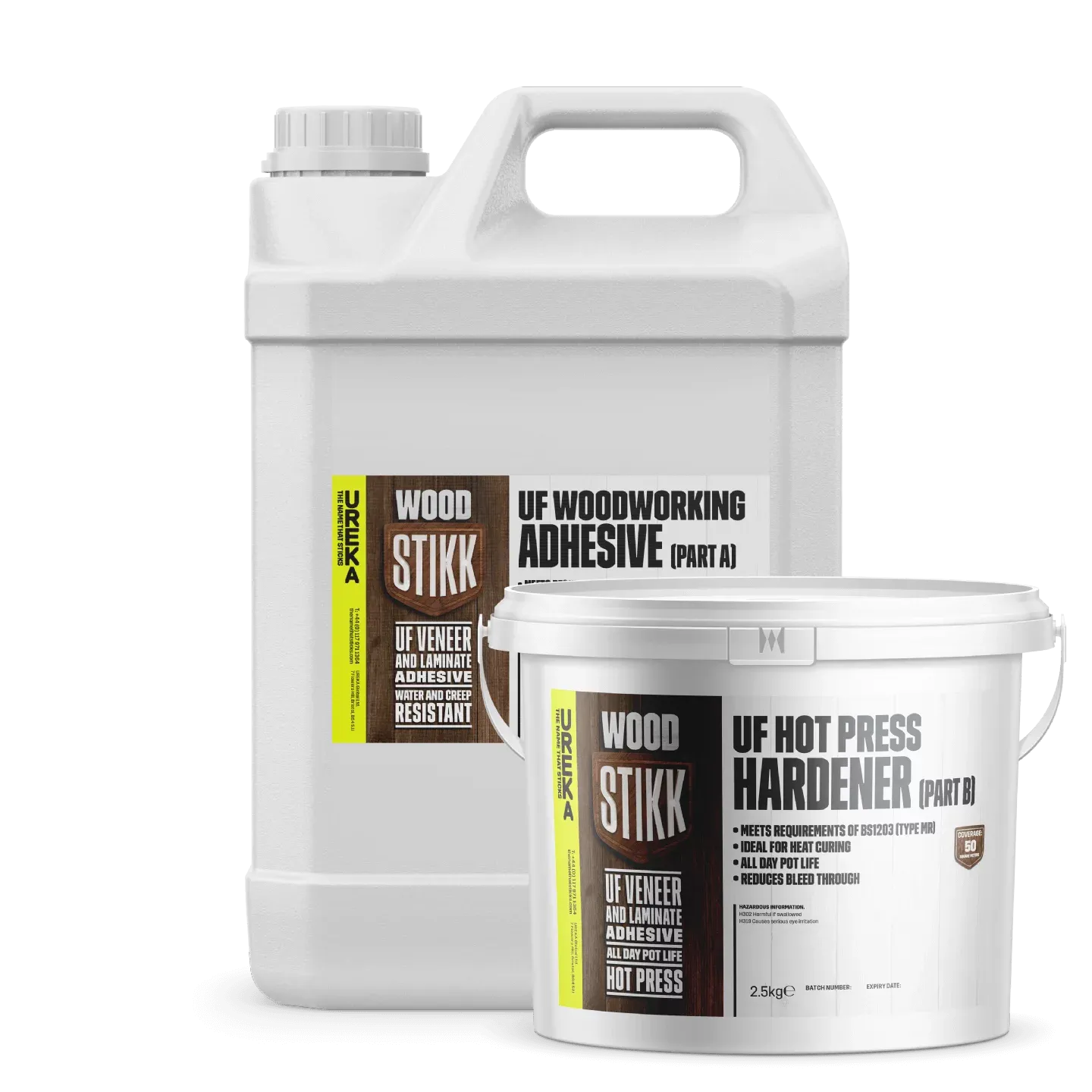
Wood veneer is an excellent choice for enhancing the appearance of furniture, cabinets, doors, and interior panels. It provides the natural beauty of wood while allowing manufacturers and craftsmen to create elegant and cost-effective designs. However, achieving a durable and professional finish depends on selecting the right adhesive. This is where veneer glue plays an important role. The right adhesive ensures a strong bond between the veneer sheet and its base material, helping maintain the product’s appearance, strength, and durability over time.
In this blog, we will explore the importance of veneer adhesives, the different types available, their applications, and how to choose the best wood veneer glue for your project.
What Is Veneer Glue?
Veneer glue is a specially formulated adhesive used to attach thin sheets of natural or engineered wood veneer to substrates such as plywood, MDF, particleboard, and solid wood. It helps create a smooth, stable surface without visible gaps, bubbles, or peeling edges.
A high-quality veneer adhesive is designed to provide reliable bonding while supporting the appearance and structural integrity of the finished product. Depending on the application, it may also offer resistance to moisture, temperature changes, and everyday wear.
Choosing the correct adhesive is essential for furniture manufacturers, carpenters, interior designers, and woodworking professionals who want consistent results.
Why Is Wood Veneer Glue Important?
The quality of the adhesive directly affects the performance and lifespan of veneered products. Using suitable wood veneer glue offers several important benefits.
1. Strong and Reliable Bonding
A good adhesive creates a secure connection between the veneer and the substrate. This reduces the risk of peeling, lifting, or separation during regular use.
2. Smooth and Professional Finish
The right veneer glue helps prevent bubbles, uneven surfaces, and other bonding defects. This is particularly important for premium furniture, decorative wall panels, and high-end cabinetry.
3. Improved Durability
Veneered surfaces may experience changes in humidity, temperature, and daily handling. Selecting an adhesive suitable for the intended environment helps maintain bond strength and product quality.
4. Better Production Efficiency
For commercial woodworking operations, a suitable adhesive can improve consistency, reduce rework, and support efficient manufacturing processes when used according to the manufacturer’s instructions.
Types of Veneer Glue
Different woodworking applications require different adhesive properties. Understanding the available options makes it easier to choose the right product.
1. PVA-Based Adhesives
Polyvinyl acetate (PVA) adhesives are widely used for interior woodworking and furniture manufacturing. They are generally easy to apply and suitable for many veneer-to-wood bonding applications. However, moisture resistance varies by formulation, so the product grade should match the intended use.
2. Urea-Formaldehyde Adhesives
These adhesives are commonly used in industrial veneer pressing and furniture production. They can provide strong bonds and good heat resistance when properly formulated and cured. Their use requires attention to application instructions, workplace ventilation, and applicable formaldehyde-emission requirements.
3. Contact Adhesives
Contact adhesives can be useful for certain decorative laminates and veneer applications, particularly where conventional pressing equipment is unavailable. Both surfaces typically require specific preparation, and the adhesive must be suitable for the veneer and substrate.
4. Specialized Veneer Adhesives
Some projects require adhesives formulated for particular substrates, pressing methods, or environmental conditions. These products can be useful for curved surfaces, decorative panels, and demanding manufacturing applications.
Before selecting any adhesive, check its compatibility with the veneer material, substrate, and intended finishing process.
Applications of Wood Veneer Glue
Wood veneer glue is used across a wide range of woodworking and interior design applications.
- Furniture manufacturing: Bonding veneer to tables, chairs, wardrobes, beds, and cabinets.
- Door production: Creating decorative surfaces on interior doors and selected engineered door components.
- Wall paneling: Attaching veneer sheets to panels used in homes, offices, hotels, and commercial spaces.
- Decorative interiors: Producing attractive finishes for shelves, counters, reception desks, and architectural features.
- Custom woodworking: Supporting handcrafted furniture, restoration projects, and bespoke decorative products.
The adhesive should always be selected according to the specific application and the performance requirements of the finished product.
How to Choose the Best Veneer Glue
Choosing the right veneer glue involves considering several practical factors.
Substrate compatibility: Ensure the adhesive works with both the veneer and the underlying material, whether it is MDF, plywood, particleboard, or solid wood.
Moisture resistance: For kitchens, bathrooms, or other humid environments, select an adhesive with an appropriate moisture-resistance rating. The complete assembly must also be suitable for those conditions.
Application method: Consider whether the project requires cold pressing, hot pressing, hand application, or another bonding technique. The adhesive must support your equipment and production process.
Open time and curing time: Open time determines how long the adhesive remains workable before assembly. Curing time affects when the bonded product can be handled or processed. Both should suit your workflow.
Surface preparation: Clean, dry, properly prepared surfaces are essential for achieving a reliable bond. Always follow the manufacturer’s guidance regarding adhesive spread, pressure, temperature, and curing.
Tips for Achieving Better Bonding Results
For the best results, prepare the substrate carefully and ensure that the veneer is clean and flat. Apply the recommended quantity of adhesive evenly, avoiding excessive or insufficient coverage. Maintain the specified pressing pressure and curing conditions, and allow adequate time before sanding or finishing.
It is also advisable to test the adhesive on a small sample before starting large-scale production. This helps identify potential issues with bonding, staining, veneer movement, or compatibility with coatings.
Conclusion
Selecting the right veneer glue is essential for producing attractive, durable, and high-quality wood veneer products. From furniture and cabinets to decorative panels and doors, the correct adhesive supports reliable bonding and a professional finish.
When choosing wood veneer glue, consider substrate compatibility, moisture resistance, application requirements, curing time, and the conditions in which the finished product will be used. By combining the right adhesive with proper surface preparation and application techniques, woodworking professionals can achieve consistent results and improve the longevity of their veneered products.
Investing time in adhesive selection and correct application helps ensure that every veneered surface delivers the beauty, performance, and quality expected from well-crafted woodwork.


recent post

What Makes the Best Filtered Shower Head for Your Daily Shower?
November 16, 2026
What Should You Look for in a Water Restoration Vancouver Company?
November 16, 2026

Student Records Management System in Nigeria | School ERP Software
November 16, 2026
CONTACT US

Category
MUST READ

Popular Posts