Exploring Commercial Contracting and Construction Services Across the GTA
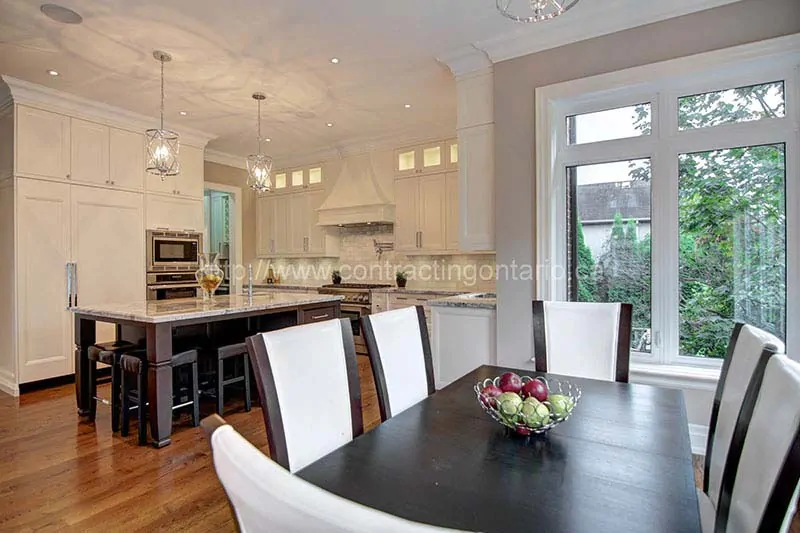
Commercial construction is an important part of business development throughout the Greater Toronto Area (GTA). Offices, retail spaces, restaurants, warehouses, and institutional buildings all require construction services that support their specific operational needs. Businesses planning a new development or renovation must consider design requirements, project costs, construction schedules, safety standards, and long-term building performance. Understanding how commercial contractors gta operate can help property owners make informed decisions when planning a construction project.
Understanding Commercial Construction Requirements
Commercial construction involves building, renovating, and improving properties designed for business or institutional use. These projects vary in scale, from small interior improvements to large developments involving structural work and multiple specialised trades.
Each property has different requirements depending on its intended use. An office may need flexible work areas, meeting rooms, lighting, and ventilation systems. A retail property may require customer-friendly layouts, display areas, and accessible entrances. Industrial facilities may need specialised flooring, equipment installations, and operational safety features.
Understanding the purpose of a building helps establish the appropriate construction scope. Early planning also makes it easier to identify technical requirements and coordinate the different professionals involved.
The Role of Commercial General Contracting
Commercial construction projects often involve several specialists working together. A general contractor coordinates the overall construction process, helping ensure that different activities are completed in the correct sequence.
This responsibility may include scheduling trades, coordinating suppliers, monitoring progress, managing site activities, and communicating with property owners. The contractor also helps address practical challenges that arise during construction.
A clearly defined management structure can reduce confusion and support better coordination. When responsibilities are established from the beginning, project participants can understand their roles and communicate more effectively.
Planning a Commercial Construction Project
Planning creates the foundation for a successful project. Before work begins, stakeholders should identify the required improvements, establish a budget, review the site, and determine the expected completion schedule.
A comprehensive planning process may involve architectural drawings, engineering assessments, material selection, permit requirements, and construction estimates. Each of these elements contributes to understanding the project’s complexity.
Property owners should also consider how construction activities may affect existing business operations. In occupied commercial buildings, scheduling work around business hours or dividing the project into phases may help reduce disruption.
Choosing the Right Construction Partner
Selecting a suitable construction company requires careful research. Businesses should review previous projects, relevant experience, professional qualifications, communication practices, and the ability to manage projects of comparable size.
It is useful to request a detailed explanation of the proposed construction process. This can include the expected timeline, work schedule, materials, subcontractor coordination, quality checks, and procedures for handling changes.
When comparing commercial general contractors, property owners should look beyond the initial estimate. A very low quotation may not include every required activity or may leave important details unclear. A transparent proposal provides a better basis for comparing scope, responsibilities, and expected outcomes.
Budgeting and Cost Management
Construction budgets must account for more than labour and building materials. Depending on the project, costs may include design services, engineering, permits, equipment, inspections, site preparation, finishing work, and specialised installations.
Accurate budgeting begins with a clear project scope. When the requirements are documented, contractors can prepare estimates that reflect the actual work involved.
It is also sensible to discuss how unexpected conditions and requested changes will be handled. Existing buildings may contain hidden issues that only become visible after work begins. A clear approval process helps property owners understand the financial impact before additional work proceeds.
Maintaining Quality and Safety Standards
Quality management is essential throughout commercial construction. Materials should meet the project specifications, installations should follow appropriate procedures, and completed work should be reviewed at relevant stages.
Construction safety is equally important. Commercial sites may involve machinery, electrical systems, elevated work areas, and several trades operating simultaneously. Appropriate safety planning, worker training, site organisation, and protective measures help reduce risks.
Projects must also follow applicable building codes, fire safety provisions, accessibility requirements, and other regulations. Requirements depend on the building type and the nature of the construction work, so appropriate professional guidance is important.
Coordinating Different Trades and Suppliers
A commercial project may require electricians, plumbers, carpenters, painters, flooring specialists, mechanical contractors, and other professionals. Their work must be organised carefully to prevent delays and unnecessary rework.
For example, mechanical and electrical installations may need to be completed before walls and ceilings are closed. Flooring and final finishes usually follow earlier construction activities. If one stage is delayed, several subsequent tasks may also be affected.
Regular progress updates and clear communication help maintain an organised workflow. Contractors should also monitor material deliveries and confirm that workers have the information and resources needed to complete their assignments.
Renovation and Commercial Space Improvements
Businesses across the GTA may choose renovation rather than constructing an entirely new building. Renovations can improve the appearance, functionality, accessibility, and efficiency of existing commercial spaces.
Common improvements include office redesigns, updated reception areas, modern washrooms, improved lighting, flooring replacement, and changes to internal layouts. The nature of the work depends on the building’s condition and the business’s operational requirements.
Before renovation begins, the existing structure and building systems should be assessed. This can help identify potential concerns involving wiring, plumbing, ventilation, structural elements, or previous modifications.
Building for Long-Term Performance
Commercial construction decisions can influence a property’s operating costs and usability for many years. Durable materials, efficient lighting, suitable ventilation, and practical layouts can contribute to long-term performance.
Businesses may also consider waste reduction, energy-conscious equipment, and responsible material selection. These choices can support more efficient buildings while taking environmental considerations into account.
Conclusion
Commercial construction across the Greater Toronto Area requires effective planning, professional coordination, budget management, and attention to quality and safety. Choosing an experienced contracting team and establishing clear project expectations can help property owners manage complex construction activities more confidently.
By considering the building’s purpose, operational needs, regulatory requirements, and long-term performance, businesses can make informed decisions and develop commercial spaces that support their future objectives.


recent post

Understanding the Importance of Quality NEET Coaching in Bilaspur
November 26, 2026

Black Masters Chair: A Stylish Choice for Modern Dining Spaces
November 26, 2026

Finding the Best Jet Ski Tour and Understanding Rental Prices in Dubai
November 26, 2026
CONTACT US

Category
MUST READ

Popular Posts