Are Dental Onlays a Suitable Solution for Cracked Teeth?

Cracked teeth can cause discomfort, sensitivity, and difficulty chewing. If you notice pain when biting down or sensitivity to hot and cold foods, you may need professional dental care. Fortunately, modern restorative dentistry offers several solutions to repair damaged teeth while preserving as much natural tooth structure as possible. Dental onlays are one option that dentists may recommend for certain types of cracks.
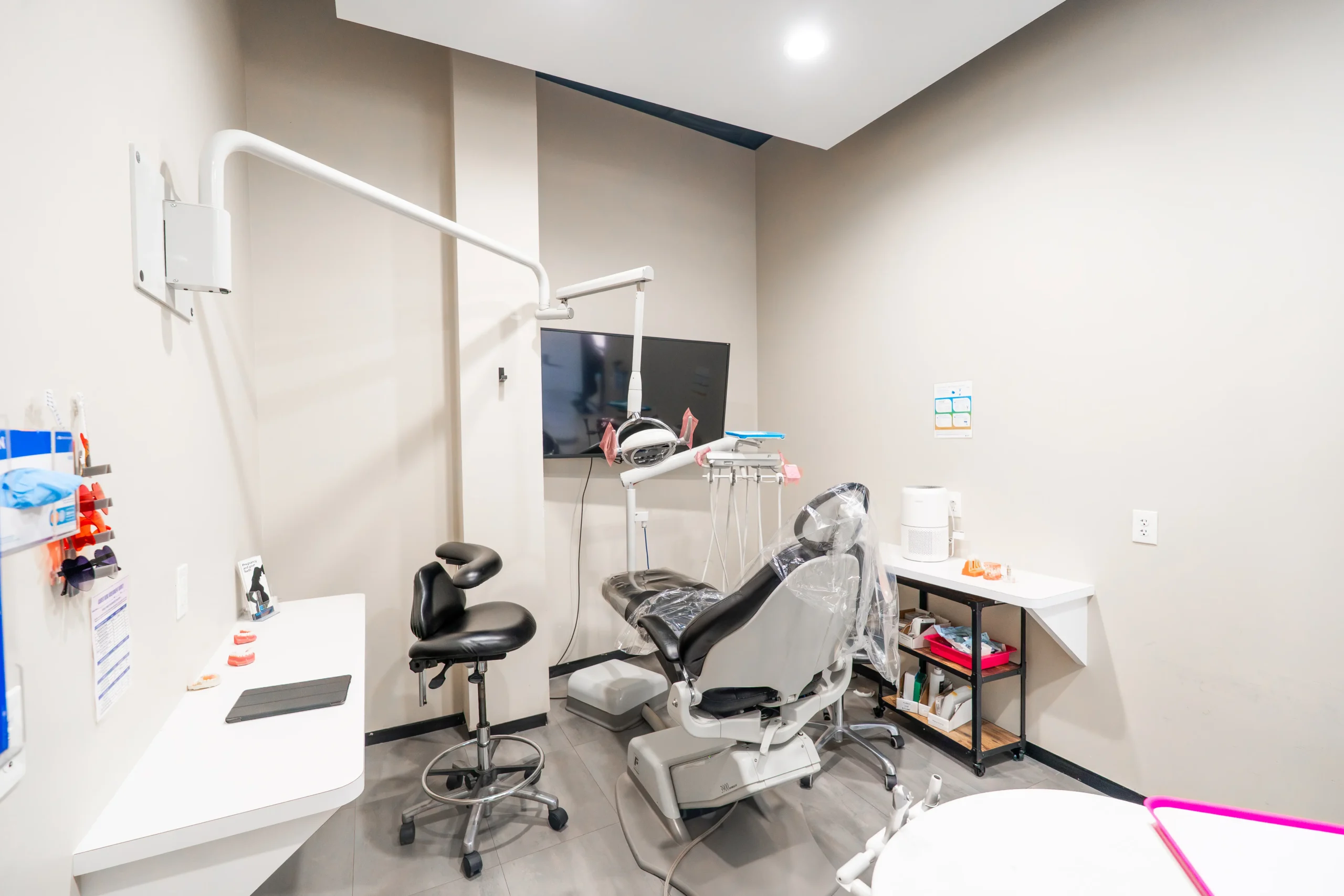
If you are searching for Onlays near Me, understanding how this treatment works can help you make an informed decision. A qualified Cosmetic Dentist Memorial can evaluate the damage, identify the best restoration, and help protect your smile. At Edge Dental, patients can explore restorative options designed to improve tooth strength, function, and appearance.
What Are Dental Onlays, and How Do They Repair Cracked Teeth?
A dental onlay is a custom-made restoration that repairs a damaged portion of a tooth. Dentists often recommend onlays when a tooth needs more support than a traditional filling can provide but does not require a full dental crown.
Unlike fillings, which dentists place directly into a cavity, dental laboratories or digital milling systems create onlays to fit the prepared tooth. The dentist then bonds the restoration to the damaged area.
Onlays can cover one or more chewing cusps, which are the raised points on the tooth’s surface. This coverage helps protect weakened areas from chewing pressure.
For suitable cracks, an onlay can restore the tooth’s shape, improve its strength, and reduce the risk of further damage. However, the treatment does not work for every type of crack. A dentist must examine the tooth to determine whether an onlay can provide enough protection.
Why Might a Dentist Recommend an Onlay Instead of a Crown?
Dentists choose restorations based on the location, depth, and severity of tooth damage. An onlay can offer several advantages when a crack affects a limited portion of the tooth.
Preserves natural tooth structure: An onlay generally requires less removal of healthy tooth material than a full crown. This approach helps preserve the remaining natural structure.
Provides additional strength: An onlay covers weakened areas and helps distribute chewing forces across the restored tooth.
Restores appearance: Dentists can use tooth-colored materials, such as porcelain or ceramic, to create a restoration that blends with surrounding teeth.
Supports normal chewing: A properly fitted onlay can restore the tooth’s shape and help you chew more comfortably.
Offers a conservative option: When the damage remains manageable, an onlay may provide sufficient protection without covering the entire tooth.
A crown may still offer a better solution when cracks affect several surfaces or leave the tooth severely weakened. Your dentist will recommend treatment based on the tooth’s condition rather than appearance alone.
What Signs Suggest That You May Need a Dental Onlay?
Cracked teeth do not always produce obvious symptoms. Some cracks remain painless, while others cause discomfort during everyday activities. Recognizing potential warning signs can help you seek treatment before the damage progresses.
Common symptoms include:
- Sharp pain when biting or releasing your bite.
- Sensitivity to hot, cold, or sweet foods.
- Discomfort when chewing hard foods.
- A visible line or fracture on the tooth.
- Repeated damage to an existing filling.
- Intermittent tooth pain without an obvious cause.
These symptoms can also indicate cavities, loose fillings, or other dental problems. A dental examination helps identify the actual cause.
If you experience persistent pain, swelling, or worsening sensitivity, schedule a dental appointment promptly. Severe pain or facial swelling requires urgent evaluation.
How Does a Cosmetic Dentist Memorial Evaluate a Cracked Tooth?
Before recommending an onlay, a Cosmetic Dentist Memorial will assess the damaged tooth and determine whether the crack remains suitable for restorative treatment.
The examination may include a review of your symptoms, a visual inspection, bite testing, and dental X-rays when appropriate. Your dentist may also check the tooth’s response to temperature or pressure.
X-rays can help identify certain problems around the tooth, although they do not always reveal the crack itself. The dentist may use additional examination methods to understand the extent of the damage.
The location and depth of the crack play important roles in treatment planning. A crack limited to the crown of the tooth may respond well to an onlay. However, a fracture extending into the root can require a different approach.
Your dentist will also evaluate the tooth’s nerve. If the crack has damaged the pulp, root canal treatment may be necessary before placing a restoration. If the tooth has split extensively or cannot be restored reliably, extraction may be the safest option.
What Happens During the Dental Onlay Procedure?
Dental onlay treatment usually involves several straightforward steps. Your dentist will explain the process and discuss the material that best suits your needs.
- Tooth preparation: The dentist removes damaged tissue or any compromised restoration and prepares the affected area.
- Impression or digital scan: The dentist records the tooth’s shape to create a restoration that fits accurately.
- Custom fabrication: A dental laboratory or digital milling system produces the onlay from the selected material.
- Temporary protection: If the final restoration requires laboratory fabrication, the dentist may place a temporary restoration while you wait.
- Onlay placement: At the next appointment, the dentist checks the fit, adjusts the bite, and bonds the onlay securely to the tooth.
After placement, you can gradually return to your normal eating routine as advised by your dentist. Proper fitting and bonding help the restoration function comfortably.
How Can You Find the Right Provider When Searching for Onlays Near Me?
Choosing the right dentist can make a meaningful difference in your treatment experience. When searching online for Onlays near Me, look beyond convenience and consider the provider’s restorative experience.
Start by checking whether the dentist regularly treats cracked teeth and offers different restoration options. Ask how the dentist determines whether an onlay, crown, or another treatment will provide the best outcome.
You should also consider the quality of the materials, the diagnostic process, treatment costs, and follow-up care. A reliable provider will explain the benefits and limitations of each option instead of promising that one procedure suits every patient.
Discuss your budget and dental insurance coverage before treatment. Some insurance plans cover certain restorative procedures, but coverage and out-of-pocket costs vary.
At Edge Dental, patients can discuss their concerns, understand available restorative treatments, and learn how a personalized treatment plan may help preserve their natural teeth.
How Can You Make Your Dental Onlay Last Longer?
Dental onlays can provide lasting support when patients maintain good oral hygiene and follow their dentist’s recommendations. Although restorations are durable, they still require regular care.
Brush twice daily with fluoride toothpaste and clean between your teeth every day. Attend routine dental checkups so your dentist can monitor the restoration and identify early signs of wear or damage.
Avoid biting hard objects, such as ice, pens, or hard candies. If you grind or clench your teeth, ask your dentist whether a custom night guard could help protect your restoration.
Contact your dentist if the onlay feels loose, develops a rough edge, or causes discomfort when you bite. Prompt attention can help prevent additional damage.
Are Dental Onlays the Right Choice for Your Cracked Tooth?
Dental onlays can be an effective option for repairing certain cracked teeth while preserving healthy tooth structure. They provide support, restore chewing function, and can improve the appearance of damaged teeth. However, the right treatment depends on the crack’s severity, its location, and the overall health of the tooth.
If you are considering Onlays near Me, consult a qualified dentist for an accurate diagnosis and personalized recommendations. A skilled Cosmetic Dentist Memorial can explain whether an onlay, crown, or another treatment offers the best chance of protecting your tooth.
With timely treatment, good oral hygiene, and regular dental visits, you can take practical steps toward maintaining a healthy, comfortable smile.




recent post
What Questions Should You Ask Before Choosing an Aluminium Supplier?
October 30, 2026



How Does French Furniture Add Timeless Charm to Your Home?
October 30, 2026
CONTACT US

Category
MUST READ


Popular Posts