Bluetooth Ceiling Speakers vs Wireless Ceiling Speakers: Features, Benefits and Differences
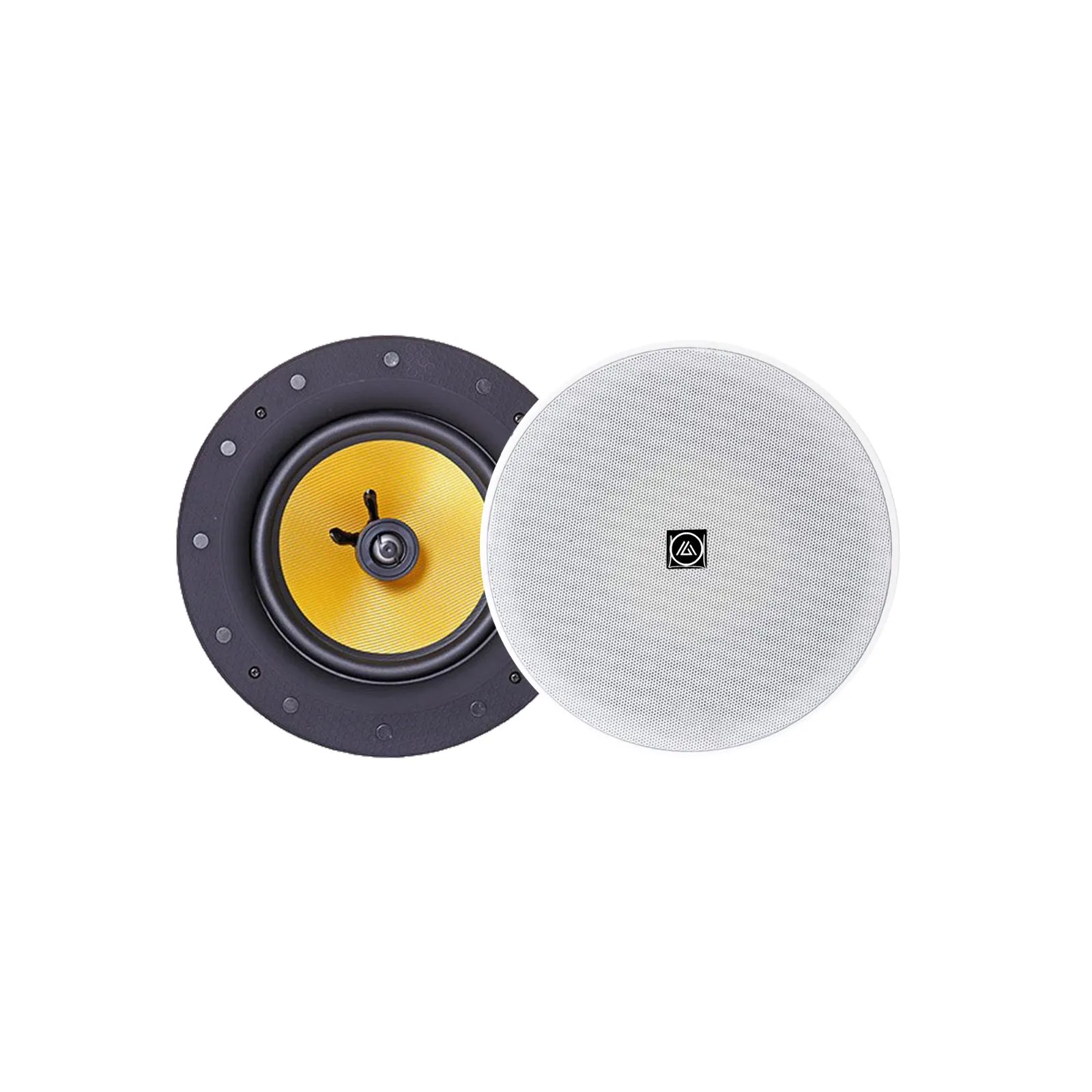
Creating a high-quality home audio system requires choosing speakers that suit your space, listening habits, and installation preferences. Bluetooth Ceiling Speakers are an appealing option for homeowners who want convenient audio playback without placing bulky speakers around a room. They can provide a neat, integrated appearance while allowing compatible devices, such as smartphones and tablets, to connect wirelessly. Before choosing a system, however, it is important to understand how Bluetooth technology compares with other wireless audio solutions.
What Are Bluetooth Ceiling Speakers?
Bluetooth ceiling speakers are designed to receive audio wirelessly from compatible devices. Instead of connecting a phone or tablet directly to a speaker using an audio cable, users can pair their device through Bluetooth and play music, podcasts, or other audio content.
These speakers are particularly useful in rooms where a simple listening setup is preferred. They can be suitable for kitchens, bedrooms, home offices, and smaller entertainment areas. Once installed and paired, everyday playback can be straightforward.
Depending on the product, a Bluetooth ceiling speaker system may include built-in amplification or require a separate amplifier. Checking the specifications before installation is essential because the equipment required can vary between models.
How Bluetooth Connectivity Works
Bluetooth uses short-range wireless communication to transfer audio from a source device to a compatible receiver. The connection is generally easy to establish, making it a convenient choice for people who want to stream music without configuring a complicated home network.
One important consideration is range. Walls, furniture, and other obstacles can affect the connection, while the capabilities of the transmitting device also play a role. Bluetooth is therefore often best suited to individual rooms or relatively straightforward listening arrangements.
Audio quality can vary according to the Bluetooth version, supported codecs, source material, and speaker design. Although Bluetooth can provide enjoyable everyday listening, users seeking advanced high-resolution streaming may want to compare it with network-based audio systems.
Understanding Wireless Ceiling Speaker Systems
The term wireless can describe several different technologies. Bluetooth is one type of wireless connection, but it is not the only way to distribute audio without traditional signal cables.
Wireless Ceiling Speakers may use Bluetooth, Wi-Fi, or another wireless communication method, depending on the system. Some products connect to a home network, allowing audio to be streamed from compatible applications or network devices. Others use a dedicated wireless transmitter or receiver.
This distinction matters because not every wireless ceiling speaker offers the same functions. A Wi-Fi-based system, for example, may support network streaming and integration with other compatible devices. A Bluetooth model may prioritise quick pairing and direct playback from a phone or tablet.
When comparing products, look beyond the word wireless and identify the exact connection technology, supported services, and equipment requirements.
Bluetooth vs Wi-Fi: Which Connection Is Better?
Bluetooth and Wi-Fi serve different purposes in home audio. Bluetooth is generally convenient for direct connections, while Wi-Fi can be more suitable for systems that rely on a home network.
Bluetooth is often easier to set up because it does not normally require a shared network connection. It can be a practical choice when one person wants to play music from a nearby device.
Wi-Fi systems can offer broader network integration. Depending on the product, they may support streaming services, multiroom playback, and access to music stored on network-connected devices. They can also provide greater flexibility when several rooms need to be connected.
Neither technology is automatically better for every household. The right choice depends on the size of the installation, listening preferences, available network infrastructure, and the features supported by the equipment.
Important Installation Considerations
Ceiling speakers require more planning than portable speakers because they are fitted into the ceiling structure. Before purchasing, check the available ceiling depth, speaker dimensions, cut-out measurements, and the location of joists, cables, and lighting fixtures.
It is also important to consider amplification. Some systems include an amplifier within the speaker or associated control unit, while others need an external amplifier. The amplifier must be compatible with the speakers’ power handling and impedance specifications.
For wireless systems, determine how power will reach each speaker. Wireless audio transmission does not necessarily mean that a speaker operates without a power cable. Many installed ceiling speakers still require a suitable electrical connection.
Professional installation can help ensure that the speakers are positioned correctly, connected safely, and integrated neatly into the room.
Can Ceiling Speakers Be Used for Multiroom Audio?
A multiroom audio system allows music to play in more than one area of a property. Depending on the equipment, users may be able to play the same music throughout the home or choose different audio in individual rooms.
Bluetooth systems can be more limited when several rooms need to operate together, although some products offer specific multi-speaker functions. Network-based systems are often designed with multiroom listening in mind, but compatibility between products should always be checked.
Before investing in a multiroom setup, consider how many rooms you want to cover, whether independent volume control is important, and whether the system supports synchronised playback.
Choosing the Right Ceiling Speaker Solution
The best system is the one that matches your practical requirements. Bluetooth may be appropriate if you mainly want simple playback from a mobile device in one room. Wi-Fi or another network-based solution may be more suitable if you want wider streaming options or a connected multiroom arrangement.
Compare speaker sensitivity, frequency response, power requirements, supported connections, and installation dimensions. Also consider the type of content you listen to and whether you need compatibility with existing home audio equipment.
A well-planned ceiling speaker installation can provide convenient everyday entertainment while keeping the room uncluttered. By understanding the differences between Bluetooth and other wireless technologies, you can choose a system that offers the right balance of sound quality, convenience, flexibility, and long-term usability.






CONTACT US

Category
MUST READ

Popular Posts