Choosing the Right Adhesive: Veneer Glue and Aluminium to Aluminium Adhesive
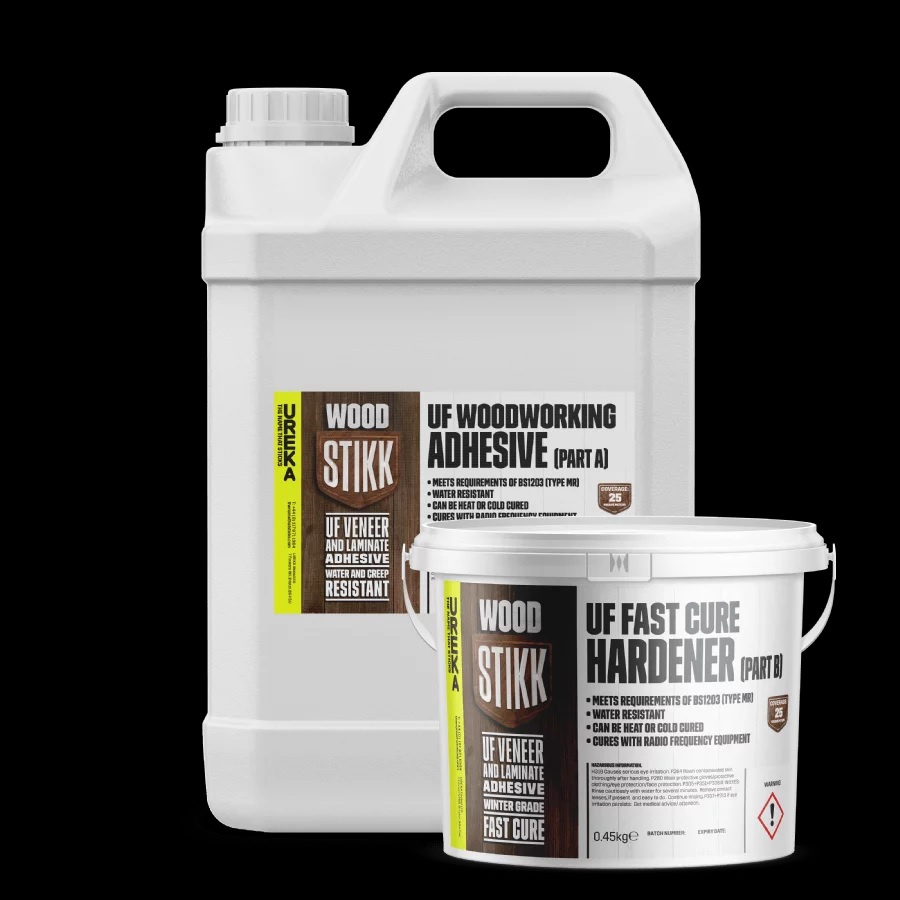
Choosing the right adhesive is essential for creating strong, durable, and professional-quality bonds. Whether you are working with wooden veneers or joining aluminium components, the adhesive you select can significantly affect the strength, appearance, and lifespan of the finished product. Two important adhesive solutions used across different industries are veneer glue and aluminium to aluminium adhesive.
Although both products are designed to create reliable bonds, they are formulated for different materials and applications. Understanding their characteristics can help manufacturers, carpenters, contractors, and DIY professionals choose the right solution for their specific needs.
Understanding Veneer Glue
Veneer is a thin layer of natural or engineered wood that is commonly applied to furniture, doors, cabinets, panels, and decorative surfaces. Because veneer is relatively thin, the adhesive used to attach it needs to provide excellent bonding while maintaining a smooth and attractive finish.
Veneer glue is specially developed to bond veneer securely to substrates such as plywood, MDF, particleboard, and other wood-based materials. A good veneer adhesive should provide consistent coverage, adequate working time, and strong adhesion after curing.
One of the major advantages of using the appropriate veneer adhesive is improved surface quality. The glue should help prevent problems such as bubbling, lifting, or uneven bonding. This is particularly important in furniture manufacturing, where even minor surface imperfections can affect the overall appearance of the finished product.
Depending on the application, veneer glue may also offer benefits such as fast setting, good resistance to moisture, and compatibility with different pressing methods. Choosing an adhesive that matches the production process can improve efficiency while reducing material waste.
Why the Right Aluminium Adhesive Matters
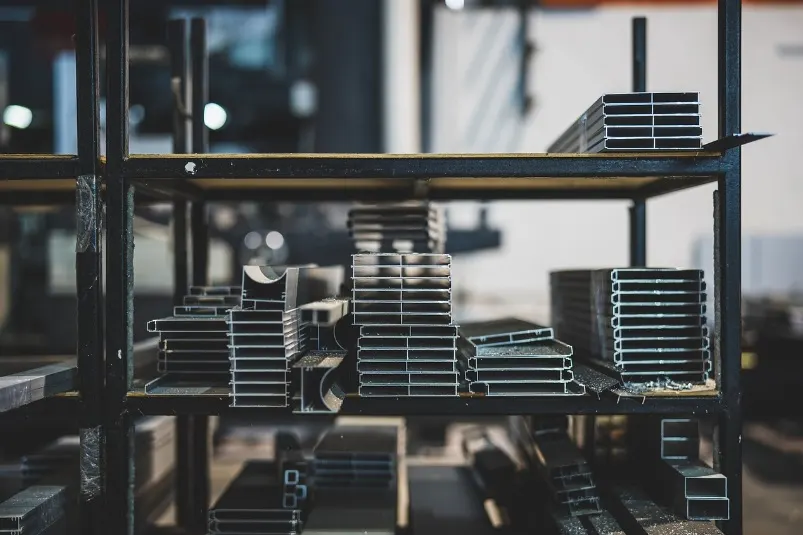
Aluminium is lightweight, durable, and resistant to corrosion, making it a popular material in construction, transportation, electronics, furniture, signage, and manufacturing. However, bonding aluminium can present unique challenges because its surface properties differ significantly from wood and other porous materials.
An aluminium to aluminium adhesive is formulated specifically to create a strong bond between two aluminium surfaces. Instead of relying exclusively on mechanical fasteners such as screws or rivets, adhesive bonding can provide a clean and uniform connection.
One important advantage of adhesive bonding is aesthetics. Since an adhesive does not require visible holes or fasteners, it can create a cleaner appearance. It can also distribute stress across a larger bonding area, which may help improve the performance of the finished assembly.
Surface preparation is particularly important when bonding aluminium. Dirt, grease, oxidation, and other contaminants can interfere with adhesion. Cleaning and properly preparing the aluminium surfaces before applying the adhesive can therefore contribute significantly to bond strength and durability.
Comparing Adhesive Requirements
While veneer glue and aluminium to aluminium adhesive serve different purposes, both require careful selection and application.
Veneer applications generally prioritize smooth coverage, reliable adhesion to wood substrates, appropriate drying or curing characteristics, and resistance to conditions the finished furniture or panel may encounter.
Aluminium bonding, on the other hand, often requires an adhesive capable of handling non-porous metal surfaces, temperature changes, vibration, and mechanical stresses. The specific requirements depend on whether the bonded component will be used indoors, outdoors, or in demanding industrial environments.
Using the wrong adhesive can result in weak bonds, surface damage, premature failure, or costly repairs. This is why it is important to consider the materials being joined, environmental conditions, curing requirements, and expected load before selecting an adhesive.
Tips for Better Adhesive Performance
Regardless of the application, following the manufacturer’s instructions is one of the best ways to achieve reliable results. Surfaces should be clean, dry, and appropriately prepared before adhesive application.
Applying the correct amount of adhesive is also important. Too little adhesive may result in incomplete contact, while excessive adhesive can increase curing time and create unnecessary mess.
Where required, maintaining the recommended pressure and curing time can help the adhesive develop its intended bond strength. Testing the adhesive on sample materials before full-scale production is also a practical way to confirm compatibility and performance.
Conclusion
Adhesives play an important role in modern manufacturing, woodworking, furniture production, construction, and fabrication. Veneer glue provides a dependable solution for attaching decorative and functional wood veneers, while an aluminium to aluminium adhesive is designed to create strong and clean bonds between aluminium components.
Selecting the right adhesive should always be based on the materials, application requirements, environmental conditions, and desired performance. With proper surface preparation and application techniques, the right adhesive can help create durable, attractive, and reliable finished products.




recent post

What Are the Benefits of Practising Core Pilates in Houston?
October 12, 2026

What Makes an Ayurvedic Clinic in Sydney the Right Choice for You?
October 12, 2026

Which Luxurious Shower Systems Are Best for Contemporary Bathrooms?
October 12, 2026

Why Should You Hire Experts for Biohazard Cleanup?
October 12, 2026
CONTACT US

Category
MUST READ
Popular Posts