Discover Your Musical Potential at a Music School in East Singapore
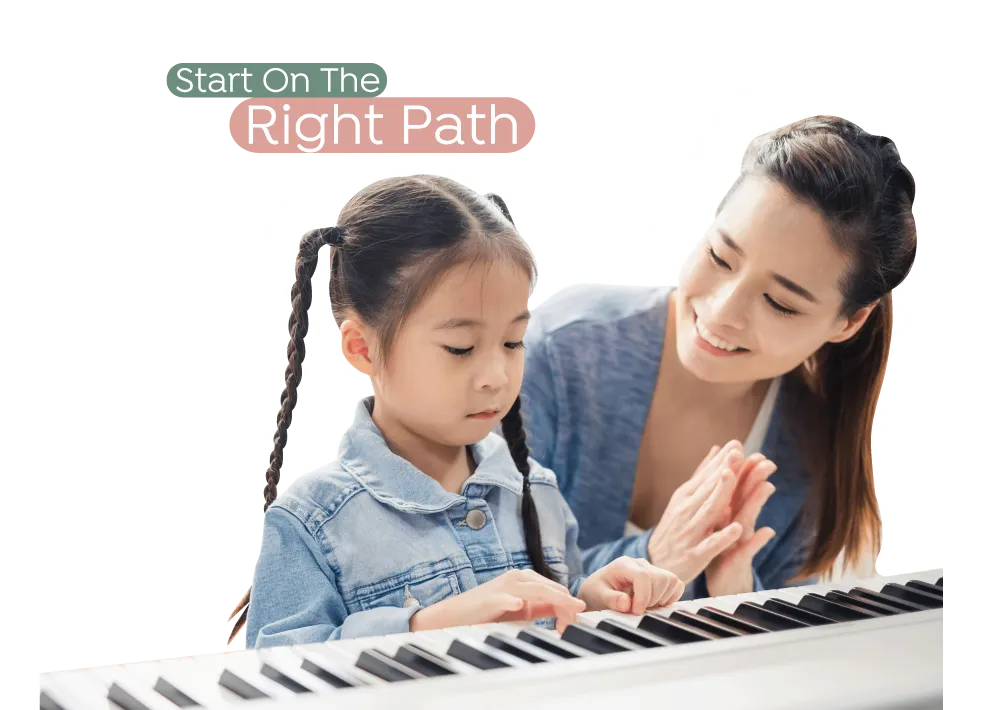
Music is a wonderful way to express creativity, build confidence, and develop skills that last a lifetime. Whether you are a parent looking for engaging music classes for your child or an adult eager to explore a new hobby, choosing the right music school can make all the difference. A professional music school in East Singapore can provide the guidance, structured learning, and encouragement you need to begin your musical journey.
With various instruments, teaching styles, and lesson formats available, finding the right place to learn music is easier when you understand what to look for. If you have ever searched online for music lessons near me, this guide will help you discover the benefits of music education and choose lessons that match your interests and goals.
Why Choose a Music School in East Singapore?
East Singapore offers convenient access to neighbourhood facilities, educational opportunities, and recreational activities for individuals and families. Enrolling in a nearby music school allows students to develop their musical abilities without adding unnecessary travel time to their busy schedules.
A good music school provides more than just instrument training. It creates a supportive learning environment where students can explore their interests, practise consistently, and develop a deeper appreciation for music.
Whether you want to learn piano, guitar, drums, violin, or vocal techniques, professional instruction can help you build a strong foundation. Experienced teachers can identify your strengths, address challenges, and guide you towards achievable milestones.
For children, music lessons can encourage patience, concentration, creativity, and discipline. Adults can enjoy music as a relaxing hobby, a creative outlet, or an opportunity to develop a skill they have always wanted to learn.
What to Expect from Professional Music Lessons
Every student learns differently. Some people learn best through practical demonstrations, while others benefit from reading music, listening exercises, and structured practice. A quality music school recognises these differences and adapts its teaching approach to suit individual needs.
Here are some important features to look for when choosing music classes.
1. Personalised Learning Plans
A beginner may need help understanding rhythm, posture, and basic musical techniques. An advanced student, on the other hand, may want to improve performance skills, master complex compositions, or prepare for music examinations.
Personalised lessons help students progress at a comfortable pace while working towards their individual goals.
2. Experienced and Supportive Teachers
A knowledgeable teacher can make learning music enjoyable and rewarding. Look for instructors who communicate clearly, provide constructive feedback, and encourage students to practise regularly.
A positive teacher-student relationship can also help beginners overcome nervousness and build confidence over time.
3. A Variety of Instruments and Classes
Different instruments offer different experiences. Piano lessons can introduce students to melody, harmony, and musical theory. Guitar classes can develop coordination and rhythm, while singing lessons help improve pitch, breath control, and vocal expression.
Choosing a school with suitable programmes allows you to explore your interests and find an instrument that inspires you.
4. Flexible Lesson Schedules
School commitments, work responsibilities, and family activities can make it difficult to maintain a regular routine. Flexible scheduling helps students fit music lessons into their daily lives.
Before enrolling, check the available class timings, lesson duration, practice expectations, and options for making up missed classes.
How to Find the Best Music Lessons Near Me
Searching for music lessons near me is often the first step towards finding a convenient music programme. However, location alone should not determine your decision. The right school should also meet your learning needs, budget, and expectations.
Start by identifying the instrument you want to learn and your current skill level. Then, compare schools based on their teaching methods, instructor experience, available facilities, and class sizes.
It is also helpful to read reviews from other students and parents. Their experiences may offer insight into the school’s teaching quality, communication, and overall learning environment.
If possible, arrange a trial lesson before committing to a long-term programme. A trial session gives you an opportunity to meet the instructor, understand the lesson structure, and decide whether the teaching style suits you.
Finally, consider the overall value of the programme rather than focusing exclusively on price. Transparent fees, suitable lesson plans, regular feedback, and a welcoming atmosphere can make a meaningful difference to your learning experience.
The Benefits of Learning Music at Any Age
One of the best things about music is that it has no age limit. Children can begin developing musical awareness early, while teenagers can use music to express themselves and explore their creativity. Adults can start learning at any stage of life, even without previous musical experience.
Regular practice encourages consistency and goal-setting. Learning a challenging piece teaches patience, while performing in front of others can help students become more comfortable expressing themselves.
Music can also bring people together. Group classes, recitals, and ensemble activities provide opportunities to collaborate, listen to others, and celebrate shared achievements.
Although progress varies from person to person, consistent practice and effective guidance can help students gradually improve their skills and enjoy the learning process.
Tips for Getting the Most Out of Your Music Lessons
Enrolling in a music class is an important first step, but regular practice plays an equally valuable role in musical development.
Here are a few simple tips to help you make steady progress:
- Practise consistently: Short, focused practice sessions can be more manageable than occasional, lengthy sessions.
- Set realistic goals: Work on one technique or musical passage at a time.
- Listen actively: Explore different genres and pay attention to rhythm, melody, and expression.
- Ask questions: Speak with your teacher whenever you find a technique or concept difficult.
- Celebrate progress: Recognise small improvements to stay motivated and enjoy the journey.
Remember that learning music is not a race. Give yourself time to improve, remain open to feedback, and enjoy discovering what you can achieve.
Begin Your Musical Journey Today
Finding the right music school in East Singapore can be the beginning of an exciting and fulfilling experience. With suitable instructors, structured lessons, and a supportive environment, students of different ages and abilities can develop their musical skills while enjoying the creative process.
If you are looking for music lessons near me, take the time to explore local schools, compare their programmes, and choose an option that fits your schedule and goals. Whether you dream of playing your favourite songs, performing on stage, or simply enjoying music as a hobby, the right learning environment can help you take the first step.







CONTACT US

Category
MUST READ


Popular Posts