Ford Cars of the 70s: Exploring Classic American Automotive History
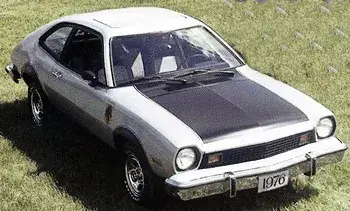
The 1970s were an exciting time for the American automobile industry, with car manufacturers introducing stylish designs, powerful engines, and innovative features. Ford played a major role in shaping this era by producing vehicles that became popular among families, car enthusiasts, and performance lovers. Ford Cars 70’s represent an important chapter in automotive history because they combined classic American styling with impressive engineering. From comfortable family sedans to powerful muscle cars, Ford offered something for almost every type of driver during this decade.
The Evolution of Ford Cars During the 1970s
Ford continued building on its reputation for producing reliable and attractive automobiles throughout the 1970s. The company introduced several models that reflected changing customer preferences and automotive trends. Buyers wanted vehicles that offered comfort, performance, and distinctive styling.
During this period, Ford focused on improving interior comfort, exterior appearance, and engine performance. Larger vehicles remained popular during the early part of the decade, while smaller and more economical cars gained attention as fuel prices increased. These changes encouraged Ford to develop vehicles that could meet different driving needs.
Popular Ford Models That Defined the Decade
Several Ford vehicles became memorable during the 1970s because of their unique designs and strong performance.
The Ford Mustang remained one of the most recognizable cars of the decade. Although its size and design changed compared with earlier generations, it continued attracting drivers who enjoyed sporty styling and exciting driving experiences.
The Ford Thunderbird was another popular model. Known for its luxurious appearance and comfortable interior, it appealed to people looking for a stylish personal luxury car.
The Ford Torino also gained attention for its attractive design and available performance options. It offered a combination of everyday practicality and sporty character.
Other notable vehicles included the Ford Pinto, Ford Maverick, and Ford LTD. Each model served a different market segment, helping Ford maintain its position as an important American automobile manufacturer.
Design and Styling of 1970s Ford Vehicles
Automotive styling changed significantly during the 1970s. Ford vehicles reflected the popular design trends of the period through long hoods, distinctive front grilles, chrome details, and comfortable interiors.
Many models featured spacious cabins, large seats, decorative dashboard designs, and attractive exterior colors. Buyers could choose from different body styles, including coupes, sedans, station wagons, and convertibles.
These design elements helped Ford create vehicles that were visually appealing while remaining practical for everyday transportation. Even today, classic Ford vehicles from this period attract collectors who appreciate vintage American automotive design.
Performance and Engineering Innovations
Performance remained an important part of Ford’s identity during the 1970s. The company offered different engine options to suit drivers with varying expectations. Some models emphasized fuel economy, while others focused on stronger acceleration and highway performance.
However, the decade also brought challenges for American automobile manufacturers. Rising fuel costs, changing emissions regulations, and increasing interest in economical transportation influenced vehicle development.
Ford responded by adjusting engine offerings and improving certain mechanical features. These changes helped the company adapt to a rapidly changing automotive market.
How 1960s Plymouth Cars Influenced American Automotive Culture
American automotive history was shaped by several manufacturers competing to produce memorable vehicles. Ford was not the only company influencing customer expectations during this period. 1960s Plymouth Cars also played an important role in establishing the popularity of distinctive American automobiles.
Plymouth produced several recognizable models, including the Barracuda, Fury, and Belvedere. These vehicles demonstrated how American manufacturers experimented with different body styles, performance features, and affordable transportation options.
The Plymouth Barracuda became especially memorable because of its sporty design and connection to the growing pony car market. Meanwhile, models such as the Fury appealed to buyers interested in larger and more comfortable automobiles.
Although Plymouth and Ford followed different design approaches, both companies contributed to the development of American automotive culture. Their competition encouraged manufacturers to introduce attractive designs, improved features, and more choices for customers.
The Growing Popularity of Classic American Cars
The popularity of vintage American automobiles has continued long after the 1970s ended. Collectors and enthusiasts appreciate these vehicles because they represent a unique period in automotive manufacturing.
Classic Ford models are particularly interesting because of their variety. Some people prefer the sporty appearance of the Mustang, while others enjoy the traditional styling of the Thunderbird or the practicality of older Ford sedans.
Restoration projects have also helped preserve these automobiles. Enthusiasts often spend considerable time repairing original engines, restoring interiors, finding authentic replacement parts, and maintaining original paint colors.
Car shows and classic automobile exhibitions provide opportunities for owners to display their restored vehicles. These events also allow younger generations to learn about the history of American automobile manufacturing.
Why 1970s Ford Cars Remain Special Today
There are several reasons why Ford vehicles from the 1970s continue attracting attention. Their distinctive styling, historical importance, and connection to American popular culture make them valuable subjects for automobile enthusiasts.
Many people also appreciate the mechanical simplicity of older vehicles compared with modern cars. Their traditional designs and recognizable features create a nostalgic connection with the past.
For collectors, owning a classic Ford can be more than simply possessing an old automobile. It can represent an interest in engineering, design, history, and the evolution of transportation.
Conclusion
The 1970s were an important decade for Ford and the American automobile industry. From the Mustang and Thunderbird to the Torino and Maverick, Ford introduced vehicles that reflected changing lifestyles and automotive preferences. At the same time, competitors such as Plymouth helped shape the industry’s development through their own memorable models. Today, these classic automobiles remain appreciated for their distinctive designs, historical significance, and lasting influence on American car culture.






recent post

What Are the Benefits of Private Reformer Pilates Sessions?
November 25, 2026

Why Is Adult Orthodontic Treatment Becoming More Popular?
November 25, 2026
CONTACT US

Category
MUST READ


Popular Posts