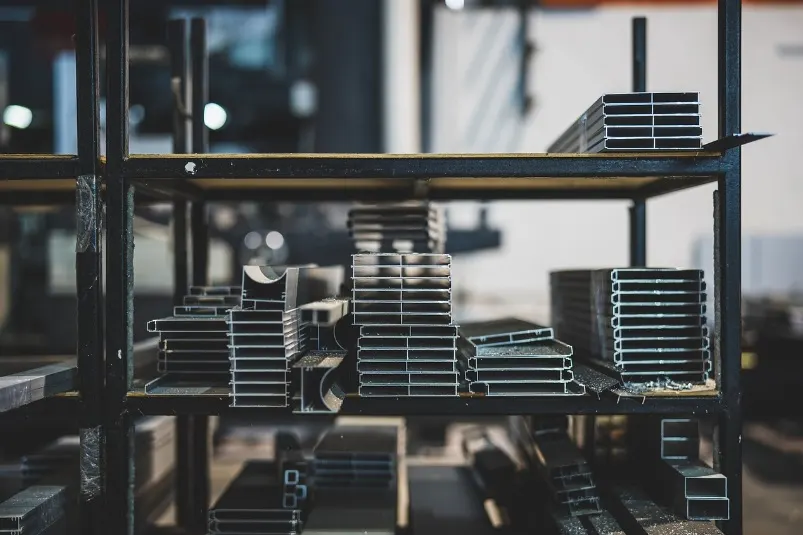
Choosing the right aluminium supplier plays an important role in the success of construction, manufacturing, engineering, and fabrication projects. Aluminium offers excellent durability, corrosion resistance, and versatility, making it a popular material across many industries. However, the quality of the material, product availability, pricing, and delivery services can vary between suppliers.
When searching for the best Aluminium Supplier Singapore, businesses should consider more than just the quoted price. A reliable supplier provides quality materials, maintains consistent stock, offers competitive rates, and understands the specific requirements of each project. By evaluating these factors carefully, you can make an informed decision and establish a long-term business relationship with a dependable supplier.
Why Is Choosing the Right Aluminium Supplier in Singapore Important?
The supplier you choose can directly influence your project’s quality, budget, and completion time. Poor-quality aluminium may create fabrication challenges, increase material waste, and lead to additional expenses. Similarly, delayed deliveries can interrupt production schedules and affect customer commitments.
A dependable Aluminium Supplier In Singapore helps businesses obtain suitable materials when they need them. Whether you require aluminium sheets, plates, bars, tubes, or other aluminium products, the right supplier can simplify procurement and improve operational efficiency.
Before making a decision, identify your project’s material specifications, required quantities, preferred delivery schedule, and budget. These details will help you compare suppliers more accurately.
What Aluminium Products Should a Reliable Supplier Offer?
Product variety is an important factor when selecting an aluminium supplier. Different industries require different aluminium shapes, grades, thicknesses, and dimensions. A supplier with a broad product range can help you source suitable materials for multiple applications.
Look for suppliers that offer products such as:
- Aluminium sheets and plates: Suitable for fabrication, machinery components, enclosures, and construction applications.
- Aluminium bars and rods: Commonly used in engineering, machining, and manufacturing.
- Aluminium tubes and pipes: Useful for structural frameworks, equipment, and various industrial applications.
- Aluminium angles and sections: Often used in fabrication, framing, and support structures.
- Custom-sized materials: Helpful when a project requires specific dimensions or cutting services.
Always confirm product availability before placing an order. You should also check whether the supplier can provide the required aluminium grade and dimensions. This step helps prevent compatibility issues and unnecessary material waste.
How Can You Evaluate Aluminium Quality and Standards?
Material quality should remain a priority when comparing suppliers. Aluminium products must meet your project’s technical requirements, including strength, thickness, dimensions, and corrosion resistance.
Ask the supplier about the available aluminium grades and their intended applications. For example, certain grades offer good formability, while others provide higher strength or better machining properties. The right choice depends on how you plan to use the material.
You should also ask whether the supplier can provide material test certificates, product specifications, or other relevant documentation when required. These records help you verify that the supplied material matches your purchase order.
Check the material’s surface condition, dimensions, and consistency upon delivery. Working with a supplier that follows clear quality-control procedures can reduce defects and support better project outcomes.
Should You Compare Prices Before Choosing an Aluminium Supplier?
Price is an important consideration, especially for businesses that purchase aluminium regularly. However, choosing the cheapest quotation does not always deliver the best value. A lower price may come with limited product options, additional cutting charges, longer lead times, or inconsistent quality.
Request detailed quotations from several suppliers and compare the same specifications. Your comparison should include:
- Aluminium grade and product dimensions.
- Price per unit, kilogram, or agreed measurement.
- Minimum order quantities.
- Cutting, processing, or handling charges.
- Delivery fees and estimated lead times.
- Payment terms and applicable discounts.
Consider the total cost of purchasing and using the material rather than focusing only on the initial price. A supplier that delivers accurate orders on time may help you reduce downtime, waste, and unexpected expenses.
How Important Are Delivery Services and Stock Availability?
Timely delivery helps construction teams, manufacturers, and fabricators maintain their schedules. Even high-quality aluminium can create problems when it arrives late or in incomplete quantities.
Before choosing a supplier, ask about its stock levels, order-processing procedures, and delivery coverage across Singapore. Find out whether it can accommodate urgent requirements and larger orders when necessary.
You should also confirm how the supplier handles backorders, damaged materials, and delivery discrepancies. Clear communication can help you resolve problems quickly and avoid unnecessary disruptions.
For businesses with ongoing material requirements, a supplier that maintains dependable inventory and offers predictable delivery schedules can make procurement easier. If your project has strict deadlines, confirm the expected delivery date in writing before placing your order.
What Customer Service Should You Expect From an Aluminium Supplier?
Good customer service makes material procurement more straightforward. A professional supplier should respond promptly to enquiries, explain product specifications clearly, and help you identify suitable options for your application.
Look for a company that provides accurate quotations and communicates openly about stock availability, pricing changes, and delivery schedules. The supplier should also clarify technical details when you need help comparing different aluminium grades or product dimensions.
Customer reviews, testimonials, and recommendations from other businesses can offer useful insights into a supplier’s reliability. Pay attention to feedback about product quality, order accuracy, communication, and after-sales support.
A supplier that values long-term relationships will generally focus on understanding your needs instead of simply processing individual orders.
How Can You Check an Aluminium Supplier’s Industry Experience?
Experience can help a supplier understand common industry requirements and material applications. A company that regularly serves construction, engineering, fabrication, or manufacturing businesses may be better equipped to handle specialised orders.
Review the supplier’s product catalogue, business background, and experience with projects similar to yours. Ask whether it can accommodate your required quantities, dimensions, and technical specifications.
For example, businesses sourcing aluminium for precision machining may need different products and documentation from those purchasing materials for general construction. Choosing a supplier familiar with your industry can make product selection and ordering more efficient.
You can also contact the supplier directly to discuss your project requirements. Its response will help you assess its knowledge, communication, and ability to meet your expectations.
Why Should You Consider Kian Huat Metal Pte Ltd?
When comparing aluminium suppliers, businesses should prioritise product suitability, dependable service, transparent pricing, and consistent communication. Kian Huat Metal Pte Ltd is a name you can consider when researching metal suppliers in Singapore.
Before proceeding with any supplier, contact the company to confirm its current aluminium product range, available grades, stock levels, and delivery arrangements. Request a quotation based on your exact specifications so you can assess whether its offering suits your budget and project requirements.
You should also clarify any minimum order quantities, processing services, and documentation requirements before finalising your purchase. Taking these steps helps you compare options fairly and choose a supplier that aligns with your operational needs.
What Questions Should You Ask Before Placing an Aluminium Order?
Asking the right questions can prevent misunderstandings and help you make a confident purchasing decision.
Consider asking:
- Which aluminium grades and dimensions are currently available?
- Can you provide product specifications or material certificates?
- What is the minimum order quantity?
- How long will delivery take?
- Do you offer cutting or other material preparation services?
- What payment terms and delivery charges apply?
- How do you handle incorrect, damaged, or incomplete orders?
Keep the answers in writing wherever possible. Written quotations and confirmed specifications create a clear reference for both parties and help reduce ordering errors.
How Can You Build a Long-Term Relationship With Your Aluminium Supplier?
A strong supplier relationship can improve purchasing efficiency over time. Start by communicating your requirements clearly and providing accurate order details. Share your expected purchasing volumes and project schedules when possible so the supplier can better understand your needs.
Review each delivery for quality, quantity, and specification accuracy. Provide feedback when necessary and discuss any recurring issues before they affect future orders.
Once you identify a supplier that consistently meets your expectations, consider establishing a regular ordering process. Kian Huat Metal Pte Ltd can be included in your supplier evaluation when you compare available products, service capabilities, and commercial terms.
Conclusion: How Do You Make the Best Final Choice?
Choosing the best Aluminium Supplier Singapore requires careful consideration of product quality, pricing, stock availability, delivery reliability, customer service, and industry experience. Instead of selecting a supplier based on one factor, evaluate how well each company meets your complete project requirements.
Compare quotations, verify material specifications, ask about delivery schedules, and review the supplier’s communication standards before placing an order. By following these practical steps, you can find an Aluminium Supplier In Singapore that supports your business goals, controls material costs, and helps keep projects running smoothly.









CONTACT US

Category
MUST READ

Popular Posts