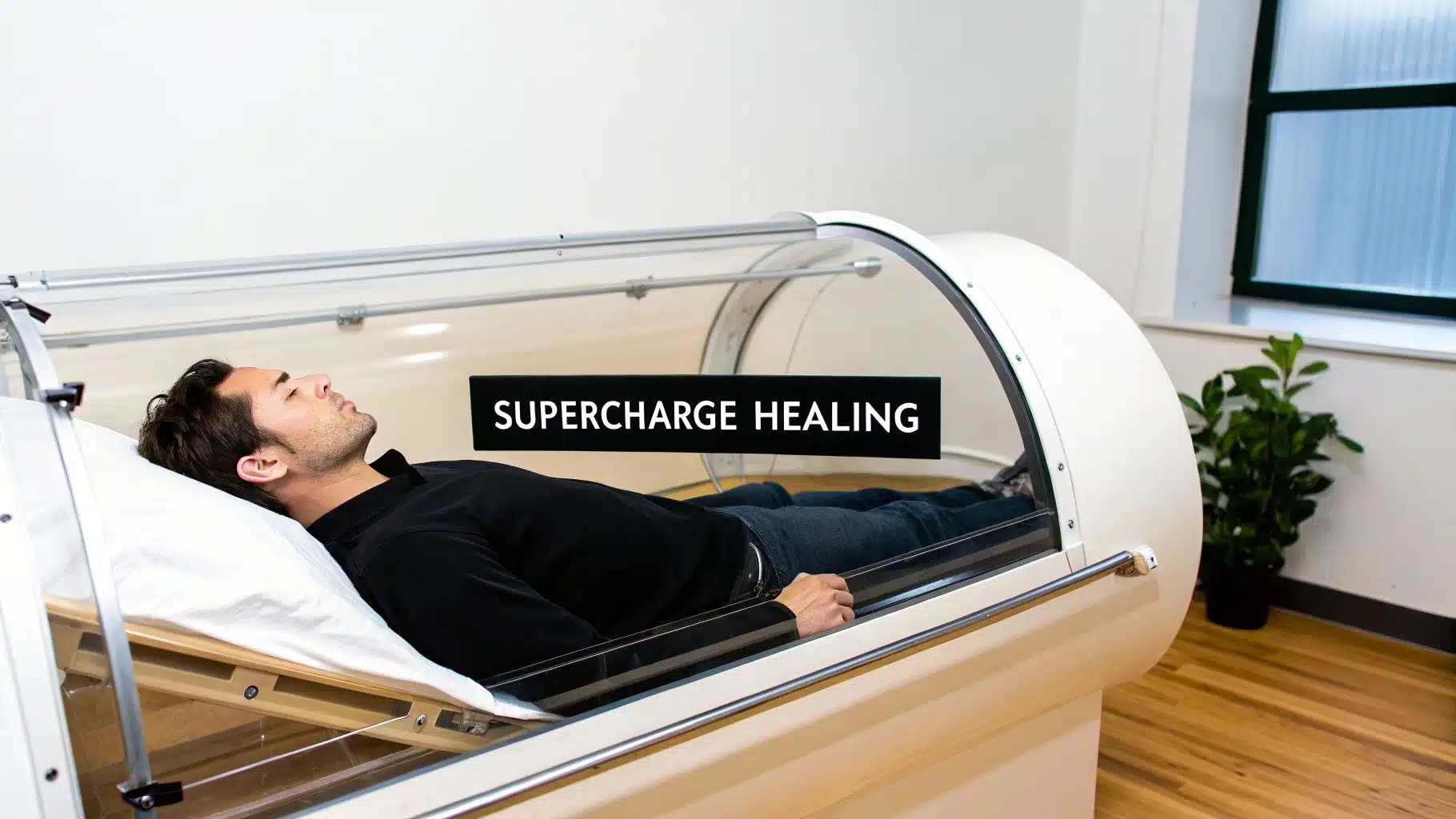
An oxygen therapy hyperbaric chamber is a specialized medical device that allows a person to breathe oxygen while exposed to pressure higher than normal atmospheric pressure. This controlled environment helps increase the amount of oxygen available in the lungs and allows the body to transport oxygen more efficiently through the bloodstream.
During a hyperbaric oxygen therapy session, the patient enters a chamber where pressure gradually increases. The patient then breathes oxygen according to the treatment protocol. The increased pressure helps oxygen dissolve into the blood plasma in greater amounts. This process can improve oxygen availability in tissues that may not receive enough oxygen under normal conditions.
How Does Increased Pressure Improve Oxygen Absorption?
Normal breathing already supplies oxygen to the lungs, where it moves into the bloodstream. Most oxygen normally travels through the body attached to hemoglobin inside red blood cells. Hyperbaric therapy adds another pathway by increasing the amount of oxygen that dissolves directly into the liquid portion of blood.
Higher pressure increases the partial pressure of oxygen in the lungs. As a result, more oxygen can dissolve into plasma. This additional dissolved oxygen can travel beyond areas where red blood cells may have limited access.
The effect depends on the treatment pressure, oxygen concentration, session duration, and the individual’s medical condition. Qualified healthcare professionals should determine the appropriate treatment protocol.
How Does an Oxygen Therapy Hyperbaric Chamber Support Tissue Oxygenation?
When tissues need more oxygen, the body normally depends on adequate blood flow and healthy red blood cells. However, swelling, damaged tissue, reduced circulation, or other conditions can interfere with oxygen delivery.
Hyperbaric oxygen therapy increases the oxygen content available in the bloodstream. This can help create a stronger oxygen gradient between blood and tissues. Oxygen can then move from the blood into areas that require additional oxygen.
Improved tissue oxygenation may support normal cellular activity and the body’s natural repair processes. However, hyperbaric oxygen therapy does not replace appropriate medical treatment. Healthcare professionals must determine whether it is suitable for a specific condition.
What Happens to Oxygen in the Blood During Hyperbaric Therapy?
Pressure plays an important role in oxygen transport. Under ordinary atmospheric conditions, hemoglobin carries most oxygen in the blood. During hyperbaric treatment, the increased pressure allows substantially more oxygen to dissolve in plasma.
This dissolved oxygen can move through the circulatory system and reach tissues. Because plasma circulates throughout the body, the additional oxygen can contribute to oxygen delivery even when some areas have compromised circulation.
The exact physiological response varies from person to person. Treatment settings should therefore follow established clinical protocols rather than relying on general assumptions about pressure or oxygen concentration.
Can Hyperbaric Oxygen Reach Areas With Reduced Blood Flow?
One important feature of hyperbaric oxygen therapy involves the movement of dissolved oxygen through plasma. In some situations, damaged or swollen tissues can have reduced oxygen availability. Increasing plasma oxygen levels can help maintain an oxygen supply across shorter diffusion distances.
This does not mean that a hyperbaric chamber can completely overcome blocked or severely restricted blood flow. Instead, it provides an additional mechanism for increasing oxygen availability under specific circumstances.
Medical professionals consider the patient’s diagnosis, circulation, overall health, treatment goals, and potential risks before recommending therapy.
How Can Better Oxygen Delivery Support the Body?
Oxygen supports many essential cellular processes. Cells use oxygen to produce energy and maintain normal biological functions. When tissue oxygen levels fall, cellular processes can become less efficient.
By increasing oxygen availability, hyperbaric therapy may support processes that depend on adequate oxygen levels. Depending on the approved clinical indication, healthcare providers may use hyperbaric oxygen therapy as part of a broader treatment plan.
Patients should understand that results depend on the underlying condition and treatment protocol. Hyperbaric oxygen therapy should be viewed as a medical intervention rather than a general substitute for conventional care.
Why Is Proper Chamber Operation Important?
Operating a hyperbaric chamber requires attention to pressure control, oxygen delivery, patient monitoring, emergency procedures, and equipment safety. Operators need appropriate education so they understand how the chamber works and how to respond to unexpected situations.
Training can also help professionals understand oxygen safety and the importance of following manufacturer instructions and facility protocols. A well-trained team can contribute to a controlled and consistent treatment environment.
Organizations such as Hyperbaric Business Solutions can be part of the educational and business-support landscape for professionals exploring hyperbaric technology and related services.
What Are Hyperbaric Chamber Certification Programs?
Hyperbaric chamber certification programs are educational programs designed to teach professionals about hyperbaric environments, chamber operation, safety practices, oxygen management, and related procedures. The exact curriculum and credential can vary between training providers and professional roles.
Before enrolling, prospective students should examine the program’s curriculum, instructors, practical training opportunities, certification requirements, and recognition within their professional setting.
Certification does not automatically qualify every person to provide medical treatment. Professional scope of practice, healthcare regulations, facility requirements, and local laws still apply.
How Should Professionals Choose Hyperbaric Training?
Professionals should select training based on their responsibilities and the type of hyperbaric facility where they plan to work. A program should clearly explain what skills and knowledge participants will gain.
Important factors may include:
- Comprehensive chamber safety education
- Oxygen safety and fire prevention
- Pressure and decompression principles
- Patient monitoring procedures
- Emergency response concepts
- Equipment operation
- Practical or hands-on learning
- Instructor qualifications
- Continuing education opportunities
A strong training foundation helps professionals understand both the benefits and operational responsibilities associated with hyperbaric technology.
What Role Does Safety Play in Oxygen Delivery?
Oxygen supports life, but high oxygen concentrations also require strict safety controls. Hyperbaric facilities must manage ignition risks, equipment compatibility, pressure changes, and patient safety throughout treatment.
Staff should follow established protocols before, during, and after every session. Regular equipment inspections and appropriate training can further support safe chamber operation.
For organizations developing hyperbaric services, Hyperbaric Business Solutions can provide a useful reference point when exploring training, equipment, and business considerations related to hyperbaric operations.
What Should You Know Before Using Hyperbaric Oxygen Therapy?
An oxygen therapy hyperbaric chamber can increase oxygen availability by combining oxygen administration with controlled atmospheric pressure. The increased pressure allows more oxygen to dissolve in plasma, creating an additional pathway for oxygen transport to tissues.
However, hyperbaric oxygen therapy requires appropriate patient selection, trained personnel, suitable equipment, and carefully controlled treatment protocols. Anyone considering treatment should consult a qualified healthcare professional to determine whether it is appropriate for their specific situation.
For professionals entering this field, hyperbaric chamber certification programs can provide structured education about chamber operation, safety, and hyperbaric principles. With proper training and responsible clinical oversight, hyperbaric facilities can maintain a safe and professional environment while supporting appropriate patient care.






recent post
How Does a Hyperbaric Chamber Improve Oxygen Delivery?
October 1, 2026


Why Should You Choose Professional Dryer Repair Orlando Services?
September 30, 2026
CONTACT US

Category
MUST READ


Popular Posts