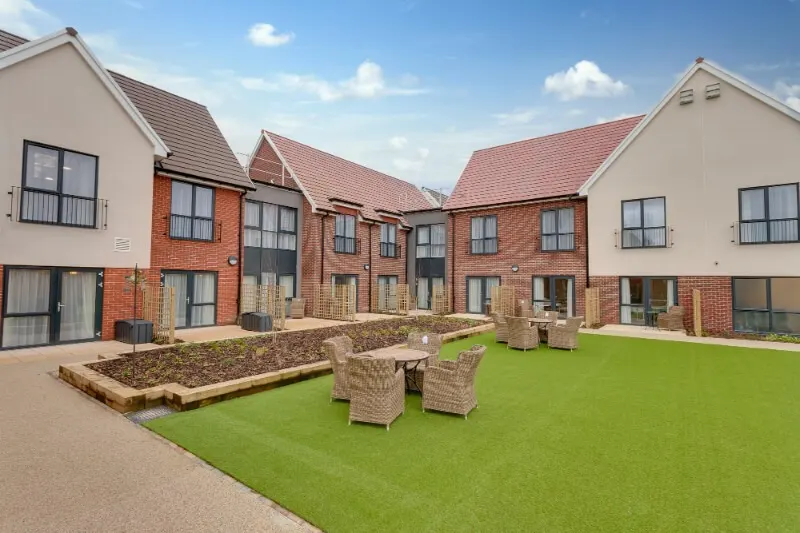
Later living construction focuses on creating homes and communities that meet the changing needs of older adults. Unlike traditional housing, these developments combine comfort, accessibility, safety, and convenience in one thoughtfully planned environment. The goal is to help residents maintain independence while enjoying a supportive community.
Good later living construction considers how people move, relax, socialize, and manage everyday tasks as they age. Designers can include wider doorways, accessible bathrooms, safer flooring, well-planned kitchens, comfortable communal spaces, and easy access to outdoor areas. These features help residents feel confident and comfortable in their homes.
How Does Accessible Design Make Daily Life Easier?
Accessibility plays a central role in comfortable aging. As mobility needs change, simple household tasks can become more difficult. Later living construction addresses these challenges before they become major barriers.
Builders can install level entrances, ramps, handrails, wider corridors, and step-free pathways. They can also create bathrooms with walk-in showers, grab-rail provisions, non-slip surfaces, and enough turning space. These features reduce unnecessary obstacles and allow residents to move around more safely.
Accessible kitchens can also improve independence. Adjustable work areas, easy-to-reach storage, suitable lighting, and practical layouts allow residents to prepare meals without excessive bending or stretching.
Why Is Safety Important in Later Living Homes?
Safety directly affects confidence and independence. A well-designed later living community reduces common risks without making the environment feel institutional.
Builders can use slip-resistant flooring, strong lighting, clear pathways, secure entrances, and carefully positioned handrails. Good visibility also matters. Residents should be able to see corridors, entrances, stairs, and communal areas clearly.
Emergency planning adds another layer of protection. Modern developments can incorporate suitable alarm systems, emergency call points, secure access systems, and clear evacuation routes. These features can provide reassurance to residents and their families.
How Can Comfortable Interiors Improve Quality of Life?
Comfort goes beyond physical accessibility. Older adults deserve homes that feel welcoming, attractive, and personal. Later living construction can combine practical features with warm interior design.
Large windows can bring natural light into living spaces and create a stronger connection with the outdoors. Comfortable temperatures, good ventilation, acoustic control, and efficient heating and cooling systems can further improve the indoor environment.
Builders can also select durable but attractive materials that withstand everyday use while maintaining a residential appearance. The result should feel like a home rather than a clinical facility.
How Does Community Design Reduce Social Isolation?
A comfortable aging environment should encourage social connection. Community spaces can give residents natural opportunities to meet friends, take part in activities, and build relationships.
Later living construction can include lounges, gardens, cafés, fitness areas, hobby rooms, shared dining spaces, and multipurpose activity rooms. The placement of these spaces matters. Residents should be able to reach them easily without navigating complicated routes.
Outdoor areas can also encourage social interaction. Landscaped gardens, seating areas, walking paths, and sheltered spaces allow residents to spend time outside while remaining close to their homes.
Why Should Developers Consider Future Care Needs?
Aging needs can change over time. Someone who moves into a later living community independently may eventually require additional support. Good planning allows the environment to adapt without forcing residents to relocate unnecessarily.
Flexible room layouts, accessible bathrooms, suitable service routes, and adaptable living areas can make future changes easier. Developers can also consider how care staff, healthcare professionals, and support services will access the property.
This forward-thinking approach helps create homes that remain useful for longer. It also supports families who want their loved ones to enjoy independence while having appropriate support available when required.
How Can Care Home Refurbishment Improve Existing Spaces?
Not every comfortable aging environment requires a completely new development. Care home refurbishment can transform existing buildings and bring them closer to modern standards.
Refurbishment projects can upgrade bathrooms, bedrooms, communal spaces, kitchens, entrances, lighting, flooring, and outdoor areas. Builders can also improve insulation, ventilation, accessibility, and energy performance.
A carefully planned care home refurbishment should minimize disruption to residents while delivering meaningful improvements. Phased construction can allow parts of a building to remain operational while other areas receive upgrades.
This approach can extend the useful life of an existing property while improving comfort, safety, and functionality.
How Does Energy Efficiency Support Comfortable Aging?
Energy-efficient design can improve both comfort and long-term operating costs. Modern insulation, efficient heating and cooling systems, quality windows, LED lighting, and smart controls can help maintain stable indoor temperatures.
Stable temperatures matter because older residents may be more sensitive to excessive heat or cold. Proper ventilation also supports a healthier and more pleasant indoor environment.
Energy-efficient systems can benefit operators as well. Lower energy consumption can reduce running costs, allowing more resources to support resident services, maintenance, and community facilities.
What Role Does Technology Play in Later Living Construction?
Technology can make modern later living communities safer and more convenient. Smart lighting can improve visibility, while automated temperature controls can help maintain comfortable conditions.
Secure entry systems can protect residents without making access unnecessarily difficult. Emergency communication technology can also help residents request assistance when needed.
Technology should remain simple and intuitive. The best solutions support residents rather than creating complicated systems that feel difficult to use.
How Can Good Planning Support Independence?
Independence remains an important part of comfortable aging. Later living construction should allow residents to complete everyday activities with minimal assistance wherever possible.
Thoughtful layouts can reduce unnecessary walking distances and create clear connections between bedrooms, kitchens, bathrooms, communal spaces, and outdoor areas. Seating points can provide convenient places to rest along longer routes.
Good design also gives residents choices. They can enjoy private time in their homes or participate in community activities when they want social interaction.
Why Should You Choose Experienced Care Home Builders?
Experience matters when developing environments for older adults. Care Home Builders can combine construction knowledge with an understanding of accessibility, safety, durability, and resident comfort.
An experienced team can evaluate the building, identify practical improvements, coordinate specialist trades, and manage the project carefully. Strong communication also helps developers, operators, residents, and families understand the work and its expected benefits.
Whether the project involves a new development or a care home refurbishment, professional planning can help ensure that each feature serves a clear purpose.
How Does Later Living Construction Create Long-Term Value?
Later living construction creates value by focusing on both present comfort and future needs. A well-designed property can remain practical as residents’ requirements change.
Accessible layouts, durable materials, energy-efficient systems, flexible spaces, and strong community facilities can make a development more attractive and functional over time. These features can also support operators by reducing avoidable maintenance and creating more efficient environments.
Ultimately, the strongest developments balance independence, safety, comfort, community, and adaptability.
What Should You Expect From Modern Aging-Friendly Developments?
Modern aging-friendly developments should feel welcoming, secure, and easy to navigate. They should support residents without taking away their independence.
Care Home Builders can help turn these principles into practical spaces through thoughtful design, quality construction, and careful refurbishment. By combining accessibility with attractive interiors, community facilities, technology, and adaptable features, later living construction can create environments where older adults can live comfortably and confidently.
Comfortable aging begins with thoughtful planning. When builders understand the everyday needs of older residents, they can create homes that support independence today while remaining prepared for tomorrow.






recent post

How Does Kannada TV Live Make Entertainment More Accessible?
August 14, 2026

CONTACT US

Category
MUST READ


Popular Posts