Interior Designer in Pune: How to Choose the Right Expert for Interior Design in Pune
A well-designed home is more than just an attractive space. It reflects your personality, supports your lifestyle, and makes everyday living comfortable. Whether you are moving into a new apartment or renovating your existing home, choosing the right Interior Designer in Pune can make a significant difference to the final outcome. A professional approach to planning, space utilisation, material selection, and design coordination can help transform an ordinary property into a functional and welcoming home.
However, with different design styles, budgets, and project requirements to consider, selecting an interior design professional requires careful thought. Understanding what to look for can help you make a confident decision and achieve results that match your expectations.
Why Hiring an Interior Designer Matters
Interior design involves much more than selecting furniture or choosing wall colours. It requires a balanced approach to aesthetics, functionality, lighting, storage, and movement within a space.
An experienced designer can help you:
- Make better use of available space.
- Create a consistent design theme throughout your home.
- Select suitable materials, colours, and finishes.
- Plan practical storage solutions.
- Coordinate different design elements.
- Avoid common planning and layout mistakes.
Professional guidance is especially useful when designing compact apartments, family homes, or properties with multiple functional requirements.
Understand Your Interior Design Requirements
Before approaching a designer, take some time to identify what you want from your space. Every household has different needs, so having a clear understanding of your priorities makes the design process easier.
Consider the following questions:
What Is Your Preferred Design Style?
You may prefer a modern, minimalist, contemporary, traditional, or luxury-inspired interior. Collecting reference images and noting your favourite colours, furniture styles, and finishes can help communicate your preferences.
How Will You Use Each Room?
A living room may need comfortable seating and entertainment space, while a bedroom should prioritise relaxation and storage. A kitchen requires practical work surfaces, efficient movement, and organised cabinets.
What Is Your Budget?
Set a realistic budget before starting the project. Consider furniture, lighting, materials, fittings, décor, labour, and any additional work that may be required. Discussing financial expectations early can help establish suitable design priorities.
How to Evaluate an Interior Design Professional
Choosing a designer should involve more than comparing attractive photographs. You should understand their design approach, communication process, and ability to work according to your requirements.
Review Previous Design Projects
A portfolio can help you understand a designer’s visual style and approach to different spaces. Look for examples that demonstrate thoughtful layouts, practical storage, suitable material combinations, and attention to detail.
Try to identify whether the designer can adapt to different preferences rather than relying on one repeated style.
Discuss Your Expectations Clearly
Communication plays an important role in every interior design project. Explain your requirements, preferred design direction, budget, and expected timeline.
Ask how design revisions are handled and how important decisions are communicated. Clear discussions at the beginning can reduce misunderstandings during execution.
Understand the Scope of Work
Before making a commitment, clarify what the proposed project includes. Depending on the agreement, the scope may cover design concepts, layouts, material recommendations, furniture planning, lighting suggestions, or execution coordination.
Always request clarity about deliverables, responsibilities, payment terms, and project timelines.
Creating Functional and Attractive Homes Through Interior Design in Pune
A successful home interior combines visual appeal with everyday practicality. Good Interior Design in Pune should consider the city’s diverse residential requirements, including apartments, independent houses, and compact urban homes.
Several elements contribute to a balanced interior.
Smart Space Planning
Efficient space planning helps every area serve a clear purpose. Multi-functional furniture, built-in storage, and carefully positioned furnishings can make smaller rooms feel more organised.
Avoid overcrowding rooms with unnecessary furniture. Maintaining comfortable walking space is just as important as selecting attractive pieces.
Lighting That Enhances the Atmosphere
Lighting influences how a room looks and feels. Natural light can make interiors feel open, while layered artificial lighting provides flexibility.
A combination of ambient, task, and accent lighting can support different activities. For example, focused lighting is useful in kitchens and study areas, while softer lighting can create a relaxing bedroom atmosphere.
Materials and Colour Selection
Materials and colours should complement each other while meeting practical requirements. Flooring, wall finishes, cabinetry, upholstery, and countertops all contribute to the overall appearance.
When selecting materials, consider durability, maintenance, availability, and suitability for the intended space.
Storage and Organisation
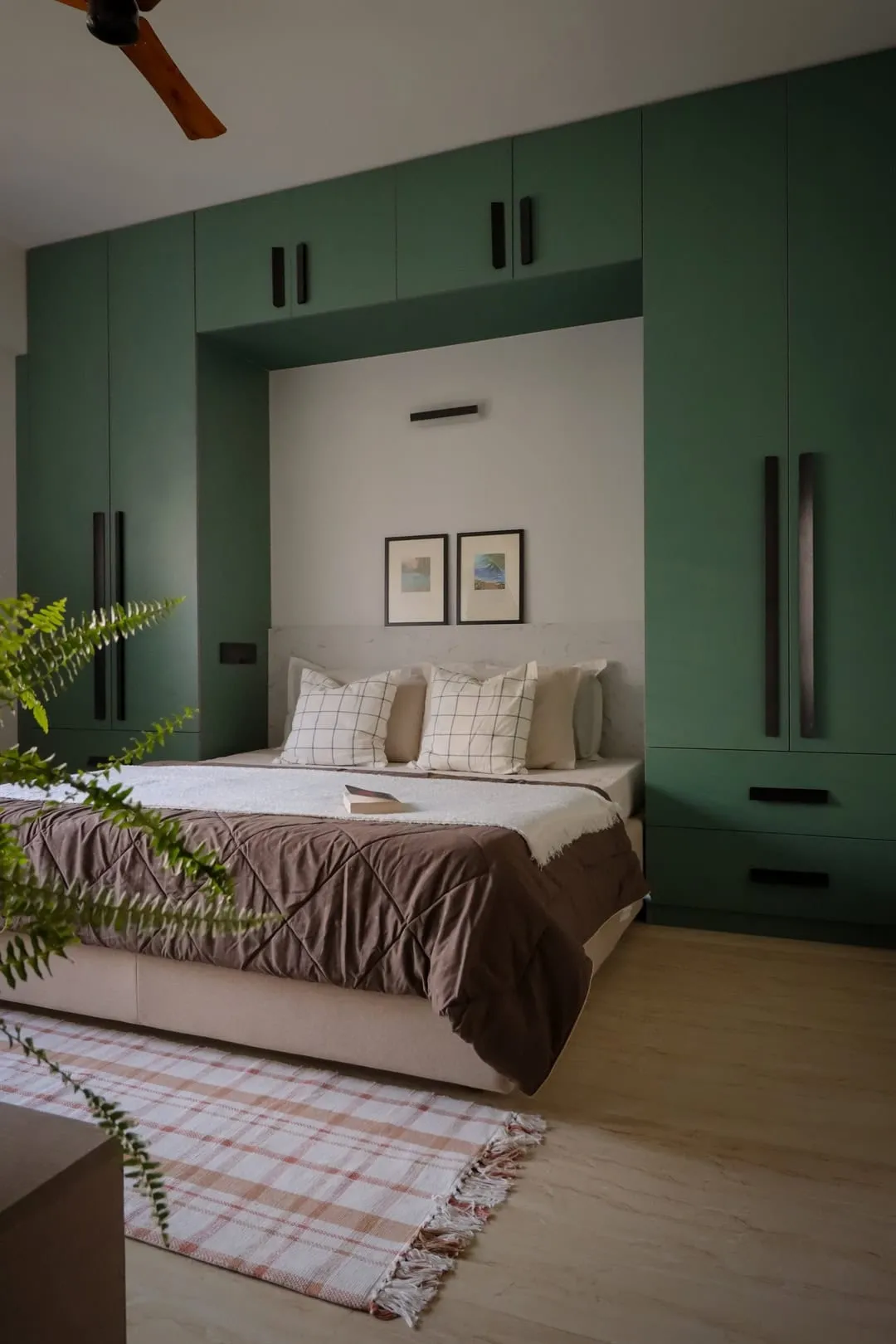
Well-planned storage can improve the functionality of a home without compromising its appearance. Wardrobes, kitchen cabinets, concealed storage, and customised shelving can help keep everyday belongings organised.
Common Mistakes to Avoid
Homeowners sometimes focus too heavily on trends and overlook long-term usability. Before finalising a design, avoid these common mistakes:
- Selecting furniture without checking room dimensions.
- Ignoring ventilation and natural lighting.
- Choosing materials based only on appearance.
- Underestimating storage requirements.
- Making frequent design changes without reviewing their impact on the budget.
- Failing to clarify project responsibilities and timelines.
A thoughtful planning process can help prevent unnecessary expenses and create a more comfortable living environment.
Explore Your Design Options with D-E-Lab
Finding the right design direction begins with understanding your space and identifying what matters most to you. Homeowners can explore the work and information available on D-E-Lab’s website when considering their interior design requirements.
Before proceeding with any project, discuss your expectations, preferred style, budget, and scope of work directly with the design team. This helps establish whether the proposed approach is suitable for your home.
Conclusion
Choosing the right interior design professional is an important step towards creating a home that looks beautiful and works well for everyday living. From space planning and lighting to material selection and storage, every detail contributes to the final experience.
Take time to review portfolios, communicate your requirements, understand the project scope, and establish a realistic budget. With careful planning and the right professional guidance, you can create an interior that reflects your personality while supporting your family’s lifestyle for years to come.





recent post

Why Is an Automatic Toilet Flusher a Smart Choice for Modern Bathrooms?
November 21, 2026

How Can Emergency Water Damage Services Minimize Property Damage?
November 21, 2026
Best Childcare Options for Families in Acadia and Calgary SE
November 21, 2026
CONTACT US

Category
MUST READ

Popular Posts