Is Strength Pilates a Good Alternative to Traditional Strength Training?
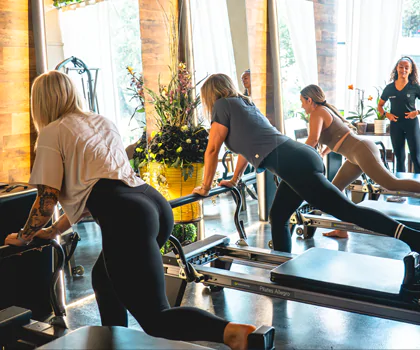
Strength training plays an important role in building muscle, improving balance, and maintaining overall fitness. Many people rely on weightlifting and gym machines to develop strength, but Pilates offers another effective way to challenge the body. Strength Pilates combines controlled movements, resistance, and core engagement to help people build strength while improving flexibility and body awareness.
If you want to improve your fitness without relying entirely on heavy weights, Strength Pilates may be worth considering. It provides a balanced workout that focuses on movement quality, muscular endurance, and stability. For people exploring Strength Pilates near Me, understanding how this method compares with traditional strength training can help them choose the right fitness routine.
What Is Strength Pilates, and How Does It Work?
Strength Pilates combines traditional Pilates principles with resistance-based exercises that challenge different muscle groups. These workouts often use specialized equipment, springs, resistance bands, body weight, and controlled movements to create muscular tension.
Unlike conventional weightlifting, which often focuses on lifting progressively heavier loads, Strength Pilates emphasizes precise movements, proper alignment, and consistent muscle engagement. Participants work on their core, legs, arms, back, and shoulders while maintaining control throughout each exercise.
Pilates equipment, such as the reformer, can provide adjustable resistance to accommodate different fitness levels. Beginners can start with manageable movements, while experienced participants can increase the challenge as their strength improves.
This approach makes Strength Pilates a practical option for people who want to develop functional strength without making heavy weightlifting the center of every workout.
How Does Strength Pilates Compare With Traditional Strength Training?
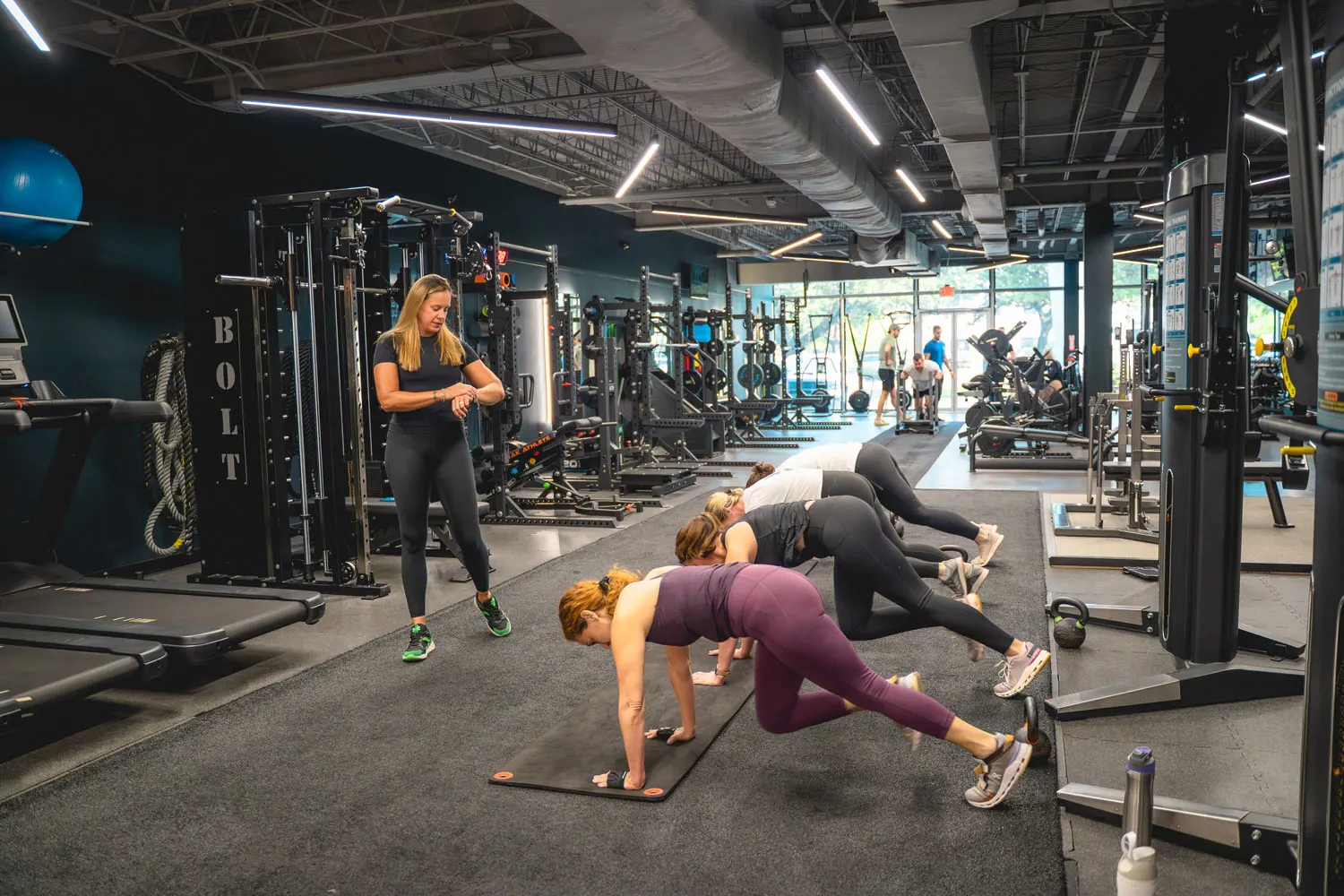
Traditional strength training typically involves free weights, resistance machines, barbells, and dumbbells. These exercises help people increase muscle strength and size by gradually increasing resistance over time.
Strength Pilates follows a different approach. It uses controlled movements, resistance, balance, and core stability to challenge muscles throughout a range of motion.
Both methods offer valuable benefits, but their results depend on training intensity, exercise selection, consistency, and individual goals.
Traditional strength training generally provides a more direct path to maximizing muscle size and lifting strength because it allows precise load progression. Strength Pilates can improve muscular endurance, core control, flexibility, posture, and movement coordination.
For example, a person who wants to increase their maximum squat or deadlift will usually benefit more from a structured weightlifting program. Someone who wants to improve stability, body awareness, and full-body conditioning may prefer Strength Pilates.
You do not necessarily need to choose one method exclusively. Combining both approaches can help you develop a more balanced fitness routine.
Can Strength Pilates Build Muscle and Improve Endurance?
Yes, Strength Pilates can challenge muscles and improve muscular endurance. Exercises that use springs, resistance, and body weight require muscles to work against tension while maintaining controlled movement.
Repeated movements can challenge the abdominal muscles, glutes, hamstrings, quadriceps, shoulders, and back. Over time, consistent training can help participants develop better muscular control and endurance.
However, muscle growth depends on the resistance level, training volume, recovery, and nutrition. Traditional strength training often makes progressive overload easier to measure, especially when someone wants to build substantial muscle mass.
Strength Pilates remains useful for people who want to strengthen their bodies while improving flexibility and coordination. A qualified instructor can adjust exercises to match your current ability and gradually increase the difficulty.
If your primary goal involves significant muscle growth, consider combining Pilates with progressive resistance training. If your goal focuses on general strength, stability, and movement quality, Strength Pilates may meet many of your needs.
What Benefits Can You Expect From Strength Pilates?
Strength Pilates offers several benefits that extend beyond muscular conditioning. Its emphasis on controlled movement encourages participants to pay attention to posture, breathing, and alignment.
Some key benefits include:
- Stronger core muscles: Many exercises engage the abdominal muscles and surrounding stabilizing muscles.
- Better flexibility: Controlled movements can help improve mobility and range of motion.
- Improved balance: Exercises that challenge stability can strengthen coordination and body awareness.
- Better movement control: Participants learn to move deliberately rather than relying on momentum.
- Muscular endurance: Repeated resistance-based exercises challenge muscles over time.
- Low-impact exercise options: Many Pilates movements place less impact on the joints than running or jumping, although exercise demands vary.
These benefits make Strength Pilates appealing to beginners, active adults, and experienced gym members who want variety in their training.
People recovering from injuries or managing joint discomfort should consult an appropriate healthcare professional before starting and work with a qualified instructor when necessary.
Is Strength Pilates Suitable for Beginners?
Strength Pilates can suit beginners because instructors can modify exercises according to individual fitness levels. New participants can learn proper breathing, alignment, and movement control before progressing to more challenging exercises.
Unlike a gym routine that may require learning several lifting techniques, a beginner Pilates session often introduces movements gradually. An instructor can explain how to engage the core, maintain posture, and control resistance throughout each exercise.
When searching for Strength Pilates near Me, look for a studio that offers beginner-friendly sessions and provides individual guidance. Ask about class sizes, instructor qualifications, available equipment, and exercise modifications.
Choose a class that challenges you without forcing you to perform movements beyond your current ability. Consistent practice and proper technique matter more than rushing into advanced exercises.
Why Should You Consider Pilates River Oaks for Your Fitness Routine?
Choosing the right studio can make your fitness journey more enjoyable and consistent. If you are exploring Pilates River Oaks, consider how the studio’s approach aligns with your personal goals.
Look for experienced instructors who explain exercises clearly, monitor your technique, and adapt resistance to your fitness level. A supportive training environment can help you feel comfortable while gradually building strength and confidence.
Also, consider whether the studio offers equipment-based sessions, personalized instruction, and class schedules that fit your routine. These factors can influence how consistently you attend classes and progress over time.
Sigma Pilates is a name to consider when researching Pilates-focused fitness options. Before committing to a program, review the available class formats and confirm that the training approach matches your needs. Ask whether the sessions emphasize strength development, core stability, flexibility, or a combination of these goals.
The right environment should encourage steady progress while helping you maintain proper technique.
Can You Combine Strength Pilates With Weightlifting?
Absolutely. Combining Strength Pilates with traditional strength training can help you develop a well-rounded fitness routine.
Weightlifting can provide the progressive resistance needed to build substantial muscle strength and size. Pilates can complement that work by emphasizing core stability, mobility, balance, and controlled movement.
For example, you might schedule two traditional strength-training sessions and one or two Pilates sessions each week. This approach allows you to train different fitness qualities while maintaining recovery time between demanding workouts.
Adjust the schedule according to your experience, energy levels, and overall workload. Beginners may benefit from starting with fewer sessions and gradually increasing training frequency.
Remember to prioritize sufficient sleep, balanced nutrition, hydration, and recovery. These habits support performance and help your body adapt to exercise.
How Can You Decide Whether Strength Pilates Is Right for You?
Your fitness goals should guide your decision. If you want to maximize muscle size, improve maximum lifting performance, or prepare for powerlifting competitions, traditional strength training should remain a central part of your program.
If you prefer controlled movements, core-focused conditioning, improved balance, and flexibility, Strength Pilates may be a better fit for your preferences. It can also complement other activities, including running, cycling, swimming, and recreational sports.
Consider trying an introductory session before choosing a long-term membership. Pay attention to the instructor’s guidance, exercise difficulty, studio environment, and how your body responds to the workout.
Sigma Pilates can be included in your research as you compare available Pilates options and identify a program that suits your goals.
Is Strength Pilates a Better Choice for Long-Term Fitness?
Strength Pilates can be an excellent alternative to traditional strength training for people who prioritize core stability, muscular endurance, flexibility, and controlled movement. However, it does not replace every benefit of progressive weightlifting, particularly when the goal involves maximizing muscle growth or lifting strength.
The best choice depends on your objectives, experience, and personal preferences. Some people will benefit most from Pilates, while others will achieve better results by combining it with conventional resistance training.
Start with clear goals, choose qualified instruction, and follow a consistent schedule. With the right approach, Strength Pilates can become a valuable part of a sustainable fitness routine that supports strength, movement quality, and overall well-being.










CONTACT US

Category
MUST READ


Popular Posts