Lead Risk Assessments and Radon Testing: Protecting Your Home and Family
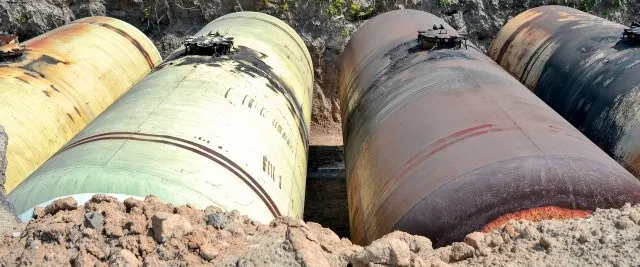
A safe and healthy home is essential for the well-being of every family. However, some of the most serious residential health hazards are not always visible. Lead-based paint and radon gas can pose significant health risks when left undetected. This is why Lead Risk Assessments and Radon Testing are important steps toward maintaining a safer indoor environment. Whether you are buying a new home, renovating an older property, or ensuring the safety of your current living space, understanding these assessments can help you make informed decisions.
Understanding Lead Risk Assessments
Lead is a toxic metal that was commonly used in residential paint, plumbing materials, and other building products in the past. Homes built before lead-based paint restrictions were introduced may still contain lead hazards. When old paint deteriorates, it can produce chips and dust that may be accidentally inhaled or swallowed.
Lead Risk Assessments help identify potential sources of lead exposure in residential and commercial properties. These assessments are especially important in older buildings, homes with young children, and properties undergoing renovation.
A professional lead risk assessment may involve inspecting painted surfaces, examining areas where paint is peeling or damaged, collecting dust or soil samples, and recommending laboratory testing where appropriate. The findings help property owners understand the extent of the risk and determine the next steps for reducing exposure.
Children are particularly vulnerable to lead exposure because their developing brains and nervous systems are more sensitive to its effects. Long-term exposure can affect learning, behavior, and development. Adults can also experience health problems from significant lead exposure.
Why Lead Risk Assessments Matter
Scheduling a lead risk assessment offers several important benefits. First, it helps identify hazards before they cause serious health concerns. Early detection allows homeowners to take preventive action and reduce the possibility of exposure.
Second, these assessments support safer renovation and maintenance projects. Sanding, scraping, drilling, or removing old painted surfaces can release lead dust into the air. Professional guidance helps ensure that renovation work is planned and completed with suitable precautions.
Finally, lead risk assessments provide valuable information for property buyers, landlords, and building managers. Knowing whether a property contains lead hazards can help people plan maintenance, manage potential liabilities, and make better-informed property decisions.
If lead is identified, recommended actions may include repairing deteriorated surfaces, controlling dust, restricting access to affected areas, or hiring qualified lead-abatement professionals. Simply painting over damaged lead-based paint or removing it without proper precautions may not eliminate the hazard.
What Is Radon Testing?
Radon is a naturally occurring radioactive gas produced by the breakdown of uranium in soil and rock. It is colorless, odorless, and tasteless, which means it cannot be detected using human senses alone.
Radon can enter buildings through cracks in foundations, construction joints, gaps around pipes, and other openings. Once inside, it may accumulate to potentially harmful concentrations, particularly in enclosed or poorly ventilated spaces.
Radon Testing is the most reliable way to determine whether radon is present in a building at elevated levels. Testing is important because exposure over time increases the risk of lung cancer. Radon is a recognized cause of lung cancer, and the risk is especially concerning for people who smoke or have a history of smoking.
Testing methods include short-term tests, which measure radon over a few days, and long-term tests, which provide a better picture of average exposure over several months. The appropriate method depends on the property’s needs, the reason for testing, and applicable local recommendations.
The Benefits of Professional Radon Testing
Professional Radon Testing provides property owners with reliable information about indoor air quality. Since radon levels can vary between buildings and even between rooms, assumptions based on neighboring properties are not sufficient to determine whether a home is safe.
Testing is particularly useful when purchasing or selling a property, completing a major renovation, or investigating indoor environmental concerns. It can also establish a baseline measurement that helps homeowners decide whether mitigation is necessary.
If elevated radon levels are detected, a qualified specialist can recommend suitable mitigation measures. These may include systems that collect radon from beneath a building and vent it safely outdoors. Sealing certain foundation openings and improving building ventilation may also form part of a mitigation strategy, depending on the property’s design.
After mitigation work is completed, follow-up testing is important to confirm that radon levels have been reduced effectively.
Why Both Assessments Are Important
Although lead and radon present different types of hazards, both can affect indoor environmental safety without obvious warning signs. Lead exposure often occurs through contaminated dust, paint, or soil, while radon exposure primarily occurs through inhalation of radioactive gas.
Combining Lead Risk Assessments and Radon Testing as part of a broader property safety plan helps homeowners identify different environmental risks. These services are especially valuable when evaluating older homes, purchasing real estate, or preparing a building for occupancy.
A comprehensive approach may also include checking for moisture problems, improving ventilation where appropriate, and maintaining safe renovation practices. Addressing environmental hazards early can help prevent avoidable exposure and support a healthier indoor environment.
Choosing the Right Professionals
When arranging Lead Risk Assessments or Radon Testing, choose qualified professionals with relevant training, appropriate testing equipment, and a clear understanding of applicable standards. Ask about the inspection process, sample handling, laboratory analysis, reporting procedures, and recommended follow-up actions.
A detailed report should explain the findings in understandable language and identify any areas requiring further investigation or corrective action. Depending on your location, specific certification requirements and regulatory guidelines may apply.
Conclusion
Protecting your property begins with understanding the environmental hazards that may be present. Lead Risk Assessments help identify and manage lead-related dangers, while Radon Testing determines whether potentially harmful levels of radon gas are accumulating indoors.
Both services provide valuable information that supports informed property decisions, safer renovation projects, and healthier living environments. By arranging appropriate assessments, following professional recommendations, and completing follow-up testing when needed, homeowners can take meaningful steps toward protecting their families and improving the long-term safety of their properties.








CONTACT US

Category
MUST READ

Popular Posts