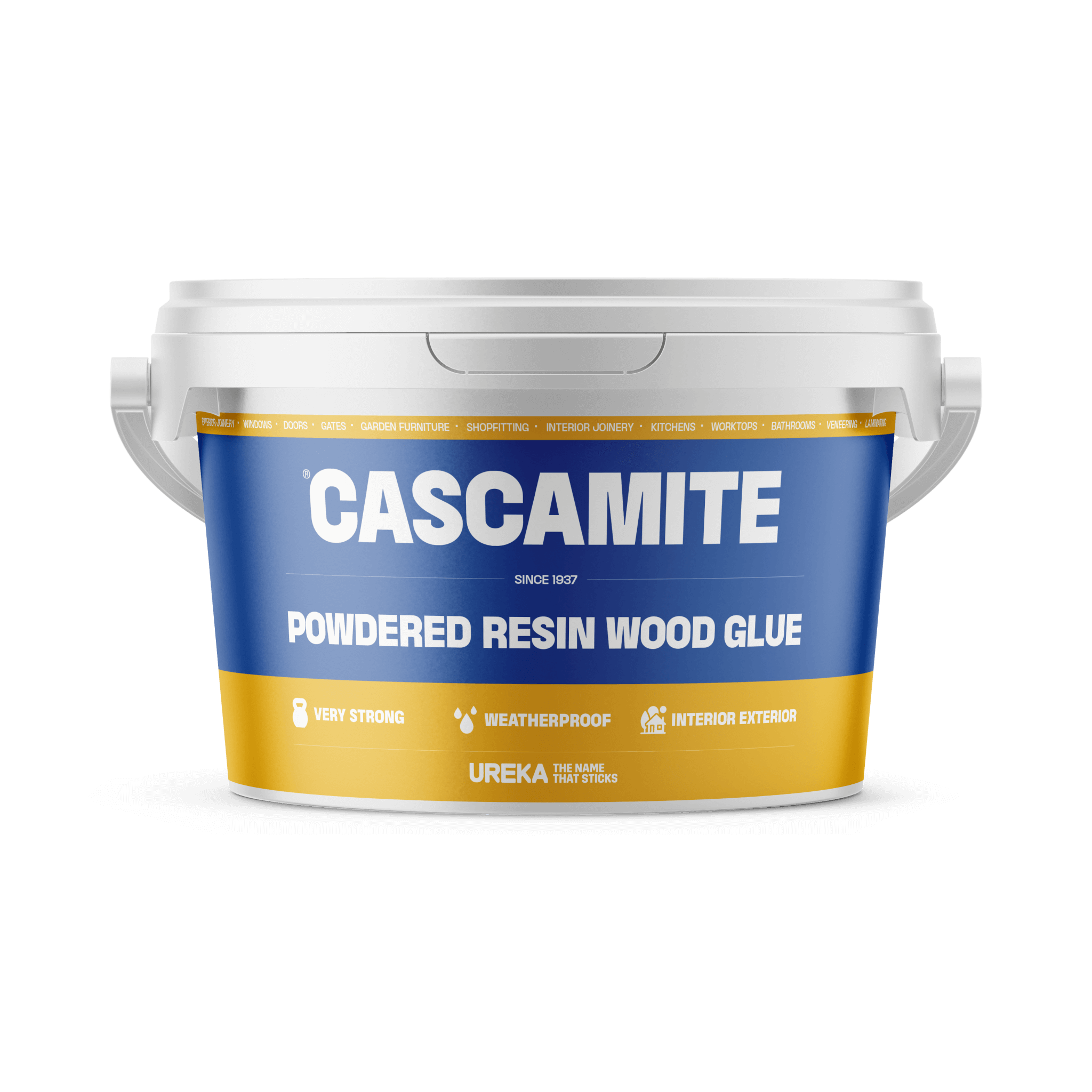
Choosing the right adhesive can make a major difference in the strength, appearance, and lifespan of a project. Whether you are bonding plastic components or installing decorative brick slips, the adhesive needs to match both the material and the conditions where it will be used. Using the wrong product can lead to weak joints, cracking, movement, or premature failure.
This guide explores how plastic adhesive and brick slip adhesive work, what factors to consider before choosing them, and how to achieve a reliable finish.
Understanding Plastic Adhesive
Plastic comes in many different forms, including PVC, ABS, acrylic, polyethylene, polypropylene, and other engineered plastics. Because these materials have different surface properties, not every adhesive will bond them effectively.
A good plastic adhesive is formulated to create a strong connection between compatible plastic surfaces. Depending on the application, it may be used for household repairs, manufacturing, furniture components, automotive parts, crafts, or construction-related projects.
Before selecting an adhesive, identify the type of plastic being bonded. Some plastics have low surface energy, which makes them naturally difficult to bond. In such situations, a specialist adhesive or suitable surface preparation may be necessary.
Preparing Plastic Surfaces
Surface preparation is one of the most important steps when using a plastic adhesive. Dirt, grease, dust, and moisture can interfere with adhesion and reduce the strength of the finished joint.
Start by cleaning both surfaces thoroughly. Allow them to dry completely before applying the adhesive. Depending on the material and product instructions, lightly roughening a smooth surface can sometimes improve mechanical adhesion.
It is also important to check the manufacturer’s recommendations. Different adhesives have different curing times, application methods, and compatibility requirements. Following these instructions can help produce a cleaner and more durable result.
What Is Brick Slip Adhesive?
Brick slips are thin sections of brick used to create the appearance of traditional brickwork without constructing a full brick wall. They are commonly used for interior feature walls, fireplaces, exterior façades, extensions, commercial spaces, and renovation projects.
A suitable brick slip adhesive is designed to secure these lightweight brick faces to an appropriate substrate. The adhesive must provide reliable grip while accommodating the environmental conditions of the installation.
The right product depends on whether the brick slips are being installed indoors or outdoors, as well as the type of surface underneath them.
Why Choosing the Right Brick Slip Adhesive Matters
Brick slips may look simple to install, but the adhesive plays a critical role in keeping them securely in place. If an unsuitable product is used, individual slips may loosen or fall away over time.
A quality brick slip adhesive should offer strong initial grab and dependable long-term adhesion. For exterior applications, resistance to moisture and changing temperatures is particularly important.
The substrate should also be stable, clean, dry, and suitable for the chosen adhesive. Any loose paint, dust, grease, or damaged material should be removed before installation.
Indoor and Outdoor Applications
Interior brick slip installations generally experience fewer environmental stresses than exterior projects. However, areas such as kitchens, bathrooms, and fireplaces may still require products with specific resistance properties.
Outdoor installations need additional consideration. Rain, temperature fluctuations, frost, and sunlight can affect both the adhesive and the substrate. Therefore, an exterior-rated brick slip adhesive should be selected when the installation is exposed to weather.
Always check the product’s technical information rather than assuming that an adhesive suitable for indoor use will automatically work outdoors.
Tips for a Successful Installation
Good preparation can significantly improve the final result. Measure the installation area carefully and plan the layout before applying adhesive. This helps avoid awkward gaps and unnecessary cutting.
Apply the adhesive according to the manufacturer’s recommended method. Do not use excessive amounts simply because you want a stronger bond. Too much adhesive can make positioning difficult and may create an uneven surface.
When installing brick slips, maintain consistent spacing between individual pieces. Work in manageable sections so the adhesive does not begin curing before the slips are correctly positioned.
For plastic bonding, hold or clamp the components where appropriate until the adhesive has developed sufficient strength. Avoid putting stress on the joint before the recommended curing period has passed.
Common Mistakes to Avoid
One of the most common mistakes is choosing an adhesive based only on price. A cheaper product may not provide the required performance for a demanding application.
Another mistake is skipping surface preparation. Even an excellent adhesive can perform poorly when applied over dust, grease, moisture, or unstable surfaces.
Users should also avoid mixing different adhesive systems without confirming compatibility. Always follow the manufacturer’s instructions for preparation, application, ventilation, curing, and storage.
Final Thoughts
Both plastic adhesive and brick slip adhesive have specific roles, and selecting the correct product is essential for achieving a dependable result. Plastic bonding requires attention to the particular type of plastic, while brick slip installation requires consideration of the substrate, location, moisture exposure, and expected environmental conditions.
With proper preparation, careful product selection, and correct application, adhesive can provide a strong and lasting solution. Taking a little extra time to understand the materials before starting the project can prevent costly repairs later and help ensure a professional-looking finish.





recent post

What Are the Key Features of French Style Furniture?
September 12, 2026

Why Choose a Luxury Tour in Argentina for Your Next Holiday?
September 12, 2026
Remorque Titan et Midland Usagé : choisir une remorque adaptée à vos besoins
September 12, 2026
CONTACT US

Category
MUST READ


Popular Posts