Strong Wood Bonds: How to Choose the Right Adhesive for Every Project
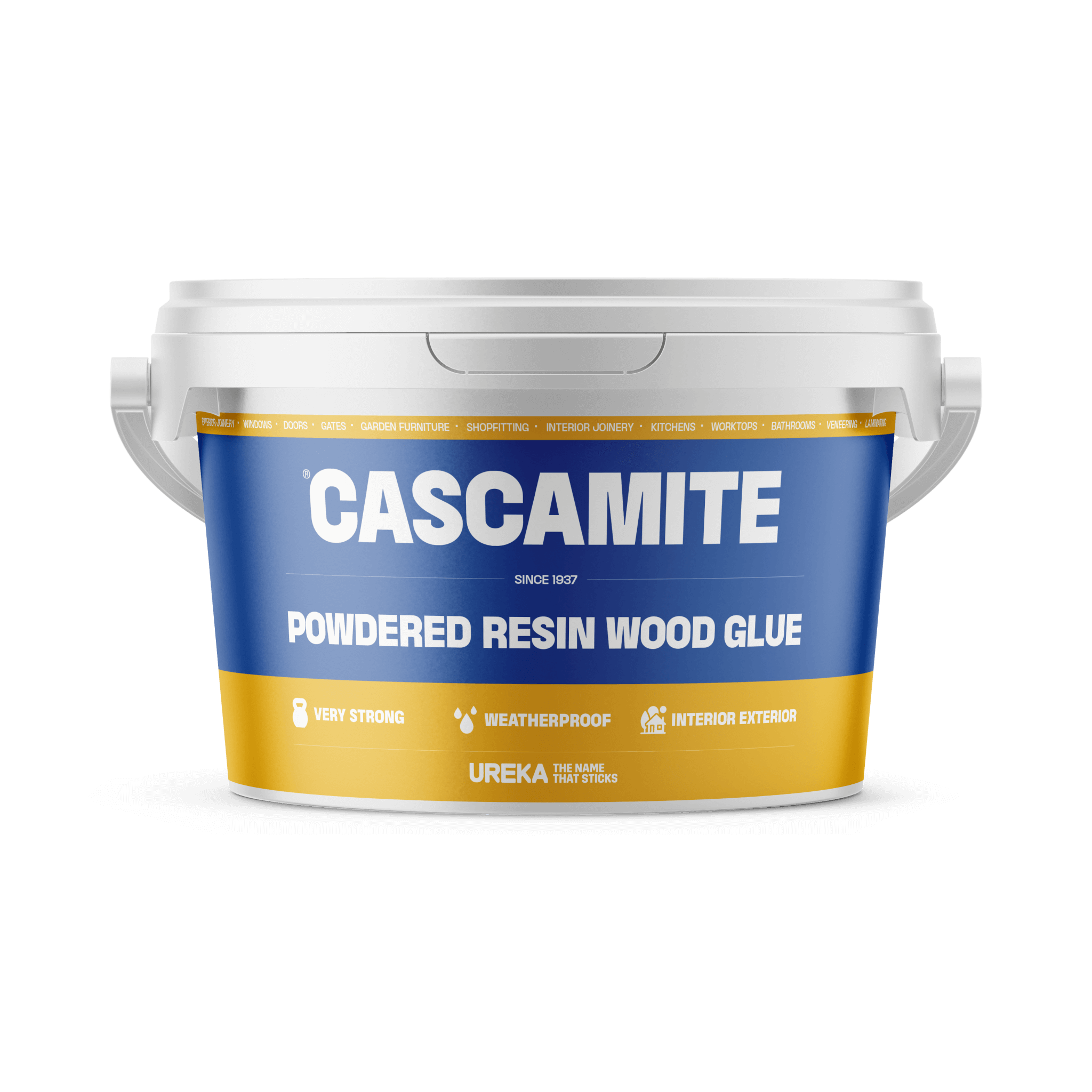
A dependable adhesive can make the difference between a woodworking project that lasts for years and one that starts coming apart after regular use. Whether you are assembling furniture, repairing a wooden chair, creating cabinets, or completing a DIY craft, choosing the right adhesive is essential. The strongest wood glue is not necessarily the same product for every application. The ideal choice depends on the wood type, joint design, environment, and expected load.
Understanding Wood Adhesives
Wood adhesives are formulated to bond wooden surfaces securely while allowing the joint to withstand everyday stress. Modern formulas can provide strong adhesion, quick setting, moisture resistance, and long-term durability.
Traditional PVA wood glue remains a popular option for many woodworking applications. It spreads easily, cleans up conveniently, and creates reliable bonds between properly fitted wooden surfaces. Other adhesive types, including polyurethane and specialized construction adhesives, can be useful when greater moisture resistance or gap-filling ability is required.
How to Identify the Strongest Wood Glue
When searching for the strongest wood glue, look beyond the word “strong” on the label. Consider the conditions in which the finished project will be used.
For indoor furniture, shelves, cabinets, frames, and general woodworking, a quality wood adhesive can provide excellent performance. Outdoor projects require an adhesive designed to withstand moisture and changing temperatures. Projects involving heavy loads may also benefit from an adhesive specifically designed for structural or demanding applications.
Drying time is another important consideration. Fast-setting adhesives can save time but may give you less opportunity to adjust pieces. Products with longer working times can be more convenient for large assemblies or complicated joints.
Selecting the Best Glue for Wood on Wood
Finding the best glue for wood on wood starts with identifying the surfaces you need to join. Clean, dry, closely fitted wooden surfaces generally provide the most reliable results.
For edge-to-edge joints, furniture assembly, woodworking repairs, and cabinet construction, standard wood adhesive is often a practical choice. If the project will experience humidity or occasional water exposure, choose a product with suitable water-resistance properties.
For larger gaps or irregular surfaces, a specialized adhesive may be more appropriate. However, whenever possible, improve the fit between the wooden pieces instead of depending on glue to fill large gaps.
Preparing the Surfaces
Good preparation is one of the most important steps in creating a durable wood joint. Remove dust, dirt, oil, old adhesive, and loose material before applying glue.
The surfaces should fit together properly without excessive gaps. Light sanding can help remove rough areas and improve contact, but sanding dust should be removed before bonding.
Apply adhesive evenly across the intended bonding surface. Follow the manufacturer’s instructions regarding application thickness and assembly time.
Why Clamping Matters
Clamps help maintain consistent contact while the adhesive cures. After positioning the pieces, apply enough pressure to hold the joint securely without forcing out excessive adhesive.
Keep the pieces aligned throughout the curing process. Although some adhesives become firm relatively quickly, full curing may take longer. Avoid putting heavy stress on the joint until the recommended curing period has passed.
Avoid These Common Wood Gluing Mistakes
Several simple mistakes can reduce bond quality. Applying glue to wet or contaminated wood is one of the most common. Using too much or too little adhesive can also create problems.
Another mistake is choosing an indoor adhesive for an outdoor project. Temperature, humidity, and water exposure can affect adhesive performance, so always select a product suitable for the intended environment.
Skipping clamps or removing them too soon can also compromise the joint. Taking a little extra time during assembly can significantly improve the final result.
Tips for Long-Lasting Wood Joints
For dependable results, always test the adhesive on scrap wood when working with unfamiliar materials. Follow the manufacturer’s instructions carefully and allow sufficient curing time.
Store adhesive according to its recommended conditions and keep the container properly sealed when not in use. Old or improperly stored glue may not perform as expected.
Most importantly, remember that adhesive works best when the wood pieces already fit correctly. Good joinery combined with the appropriate adhesive creates a stronger and more professional result.
Final Thoughts
Choosing the strongest wood glue involves more than comparing product labels. The right adhesive should match your wood, joint, environment, and project requirements. At the same time, identifying the best glue for wood on wood means considering surface preparation, moisture resistance, working time, and curing requirements.
With properly prepared surfaces, accurate joints, suitable adhesive, and correct clamping, you can create strong and durable woodworking connections. Whether you are handling a simple repair or a detailed furniture project, selecting the right glue is an important step toward achieving a reliable finish.



recent post
What Are the Most Common Dishwasher Problems?
August 19, 2026
Why Are Mild Hyperbaric Chambers Becoming Popular for Wellness?
August 19, 2026
CONTACT US

Category
MUST READ
Popular Posts