Utility Contractor and House Builder: Building Strong Foundations for Modern Homes
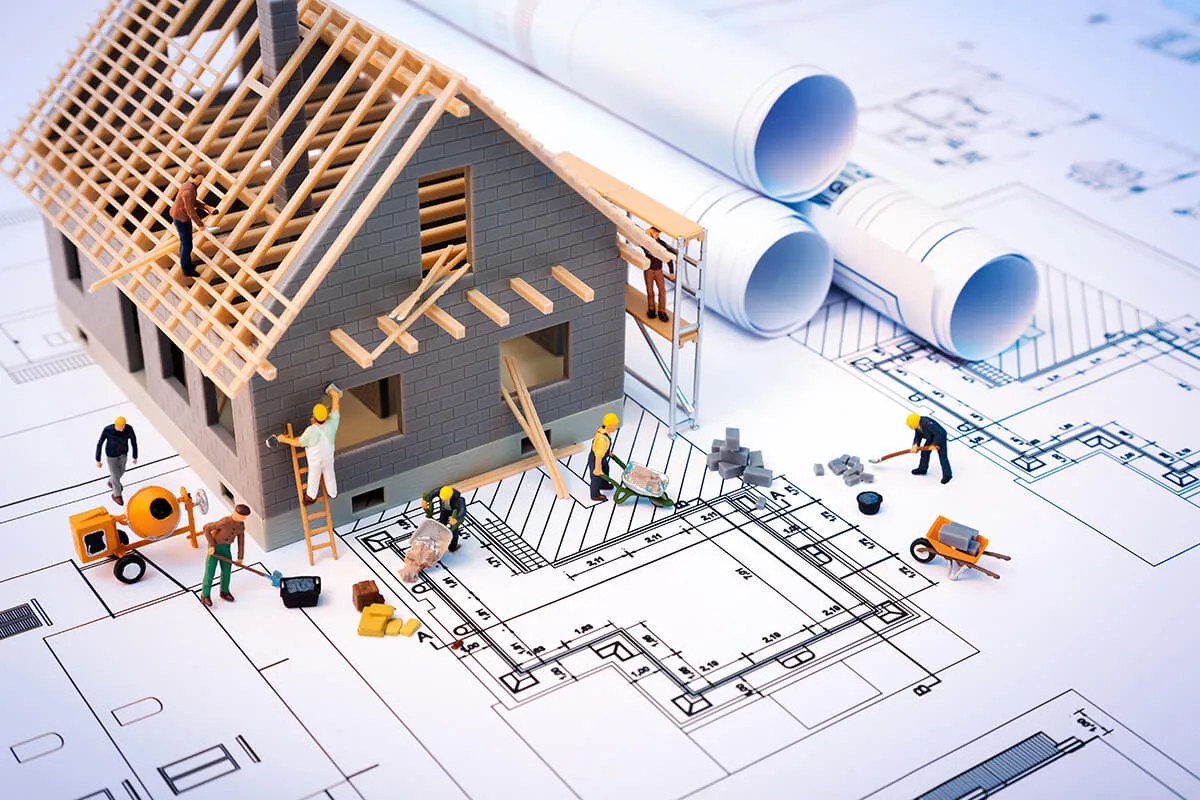
Building a home is one of the most important investments a person can make. From selecting the right location to designing comfortable living spaces, every step requires careful planning, skilled professionals, and quality materials. Two essential contributors to a successful construction project are a Utility Contractor and a house builder. While a house builder focuses on constructing a safe, functional, and attractive home, a utility contractor ensures that essential services such as water, electricity, drainage, and sewage systems are properly installed.
Working together, these professionals help create homes that are comfortable, durable, and ready for modern living. Understanding their roles can help homeowners make informed decisions and achieve better construction results.
What Is a Utility Contractor?
A utility contractor is a construction professional or company responsible for installing, maintaining, and managing essential utility infrastructure. These services are necessary for residential, commercial, and industrial developments.
A reliable utility contractor typically handles underground utility installation, water supply connections, drainage systems, sewer lines, electrical infrastructure, and other essential services, depending on the company’s specialization and local regulations.
Proper utility installation is important because these systems directly affect a property’s safety, functionality, and long-term value. Poorly installed pipes, drainage lines, or electrical connections can lead to expensive repairs and ongoing maintenance issues.
By hiring an experienced utility contractor, property owners can ensure that essential infrastructure is planned and installed according to project requirements, approved designs, and applicable building standards.
Understanding the Role of a House Builder
A house builder is responsible for transforming architectural plans into a completed residential property. The process involves coordinating construction activities, managing materials, supervising workers, and ensuring that the home meets the homeowner’s expectations.
A professional house builder generally manages several stages of construction, including:
- Site preparation: Preparing and leveling the land before construction begins.
- Foundation work: Creating a stable base to support the structure.
- Structural construction: Building walls, floors, roofs, and other essential components.
- Plumbing and electrical coordination: Arranging the installation of important household systems.
- Interior and exterior finishing: Completing flooring, painting, doors, windows, and other design features.
- Quality inspections: Checking construction quality and addressing issues before handover.
Choosing the right house builder can make a significant difference in the overall construction experience. An experienced professional can help control costs, maintain schedules, coordinate subcontractors, and deliver a home that suits the owner’s lifestyle.
Why Utility Contractors and House Builders Must Work Together
A successful residential construction project depends on more than attractive architecture and strong structural work. Essential utility services must also be integrated into the building plan.
For example, water supply pipes, sewer connections, drainage systems, and electrical conduits often need to be installed at specific stages of construction. If these installations are delayed or poorly coordinated, completed sections of the property may need to be reopened, increasing costs and extending project timelines.
When a utility contractor works closely with a house builder, both professionals can coordinate installation schedules, identify potential challenges, and prevent avoidable construction delays.
This collaboration offers several advantages:
1. Better project coordination
Clear communication between construction teams helps ensure that utility installations take place at the right time.
2. Improved construction quality
Proper planning helps prevent conflicts between structural elements and utility infrastructure.
3. Reduced additional expenses
Coordinated work reduces the likelihood of rework, material wastage, and unexpected repair costs.
4. Enhanced safety
Professional installation and appropriate inspections help ensure that utility systems meet applicable safety requirements.
5. Long-term reliability
Well-planned infrastructure can make a property easier to maintain and more dependable for everyday use.
How to Choose the Right Utility Contractor and House Builder
Selecting qualified construction professionals is an important step toward completing a successful project. Homeowners should evaluate experience, reputation, technical capabilities, and communication before making a decision.
Start by reviewing previous projects and asking for references from past clients. This can provide insight into workmanship, reliability, and the ability to meet agreed deadlines.
Next, verify that the utility contractor and house builder have the necessary registrations, licenses, qualifications, and insurance where required. It is also important to confirm that their work complies with local building codes and relevant utility authority requirements.
Request a detailed written quotation that explains the scope of work, materials, estimated timeline, payment schedule, and any exclusions. Comparing quotations based on quality and services, rather than price alone, can help you make a better decision.
Finally, choose professionals who communicate clearly and are willing to coordinate with architects, engineers, suppliers, and other contractors throughout the construction process.
The Importance of Quality Materials and Modern Construction Practices
Modern homeowners increasingly value energy efficiency, water conservation, durability, and sustainable construction. Both utility contractors and house builders contribute to achieving these goals.
A utility contractor can recommend suitable piping systems, effective drainage solutions, and infrastructure designed to support efficient resource use. Depending on the project, this may include rainwater harvesting connections, wastewater management systems, and provisions for renewable energy installations.
Meanwhile, a house builder can incorporate energy-efficient windows, suitable insulation, durable construction materials, and practical layouts that reduce long-term operating costs.
When these improvements are considered during the planning stage, homeowners can avoid unnecessary modifications later and create a property that better meets future needs.
Conclusion
Building a reliable and comfortable home requires a combination of strong construction, efficient infrastructure, and professional project management. A skilled Utility Contractor ensures that essential utility systems are installed correctly, while an experienced house builder oversees the construction of the residential structure.
By selecting qualified professionals and encouraging effective collaboration between them, homeowners can improve construction quality, manage expenses, reduce delays, and support the long-term value of their property.
Whether you are planning a new home, developing a residential community, or investing in a construction project, choosing the right experts is essential. With careful planning, quality materials, and coordinated execution, you can turn your vision into a home built for comfort, safety, and lasting performance.






recent post

Cut Keys: Professional Automotive Locksmith Services for Your Vehicle
November 14, 2026

How Can a Black Masters Chair Transform Your Dining Room?
November 14, 2026
CONTACT US

Category
MUST READ


Popular Posts