Virginia DMV Road Test: A Complete Guide to Passing Your Driving Exam
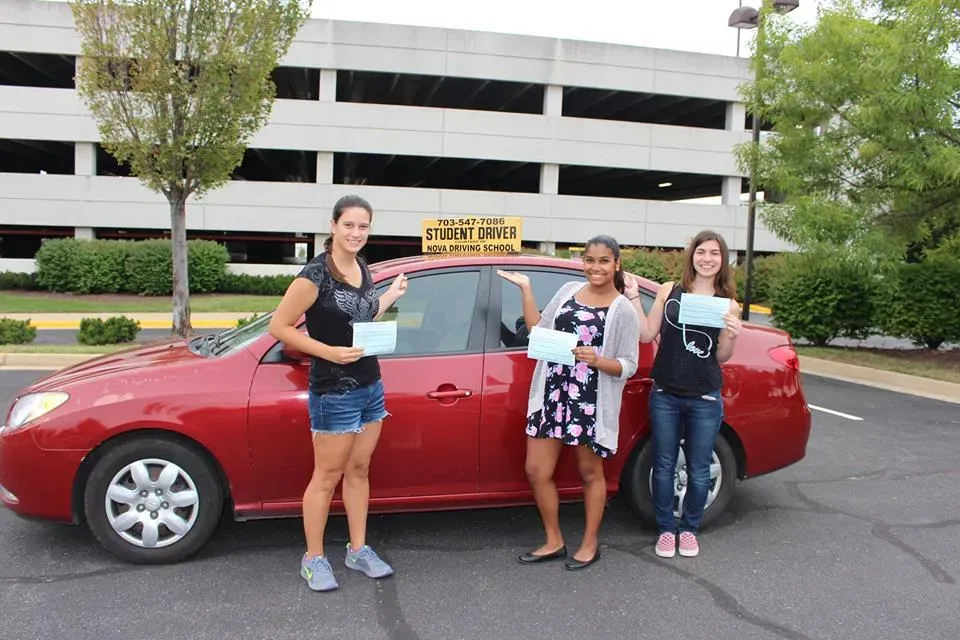
Getting ready for your driving exam can feel stressful, especially if you are taking it for the first time. Understanding the testing process, practicing essential driving skills, and learning what examiners expect can help you feel more confident behind the wheel. Whether you are a new driver or preparing to retake your exam, this guide will help you understand the Virginia DMV road test and prepare effectively for the big day.
What Is the Virginia DMV Road Test?
The Virginia DMV road test is a practical driving examination designed to evaluate your ability to operate a vehicle safely and follow traffic laws. During the test, an examiner assesses your driving habits, awareness of your surroundings, vehicle control, and ability to respond appropriately to different road situations.
Unlike a written knowledge exam, this test focuses on your real-world driving abilities. You must demonstrate that you can make safe decisions, follow traffic signs, obey speed limits, and interact responsibly with other road users.
Preparing thoroughly before your appointment can help you avoid common mistakes and demonstrate that you are ready to drive independently.
Understanding the Virginia DMV Road Skills Test
The Virginia DMV road skills test evaluates several essential driving techniques that every responsible driver should know. Although the exact route and instructions may vary, the examiner generally looks for safe vehicle operation and consistent compliance with traffic regulations.
Important skills to practice include:
- Vehicle control: Maintain smooth acceleration, braking, and steering throughout the examination.
- Turning correctly: Signal before turning, check your surroundings, and remain in the appropriate lane.
- Lane changes: Check mirrors, look over your shoulder for blind spots, signal, and change lanes only when safe.
- Stopping at intersections: Come to a complete stop at stop signs and obey traffic signals.
- Backing up: Practice reversing slowly while maintaining awareness of nearby vehicles and obstacles.
- Observation: Regularly check mirrors and scan the road for pedestrians, cyclists, and potential hazards.
- Speed management: Follow posted speed limits and adjust your speed according to traffic, weather, and road conditions.
Practicing these skills consistently will help you become a safer driver and improve your readiness for the examination.
Documents and Vehicle Requirements
Before heading to your appointment, confirm the current requirements with the Virginia Department of Motor Vehicles (DMV). Depending on your age, license application, and eligibility, you may need identification documents, a learner’s permit, or other required paperwork.
You should also make sure the vehicle you use for the test meets the DMV’s safety requirements.
Check the following items before your appointment:
- Working headlights, brake lights, and turn signals.
- Properly functioning brakes and steering.
- Safe tires and functioning mirrors.
- A working horn and windshield wipers.
- Valid vehicle registration and required insurance documentation.
- Seat belts that function correctly.
The examiner may refuse to conduct the test if the vehicle is unsafe or does not meet applicable requirements. Checking everything in advance can prevent unnecessary delays.
How to Prepare for Your Virginia DMV Road Test
Preparation is one of the most effective ways to reduce nervousness and improve your chances of success. Rather than relying on a few practice sessions, develop a consistent routine that covers different driving situations.
- Practice with a qualified driver. Spend time driving with an eligible supervising driver who can provide constructive feedback. Practice on residential streets, at intersections, and on roads with varying traffic conditions.
- Review Virginia traffic laws. Study road signs, right-of-way rules, speed limits, school-zone regulations, and other important driving requirements. Understanding these rules helps you make confident decisions during the test.
- Improve your observation habits. Make mirror checks, blind-spot checks, and timely signaling part of every drive. These habits should feel natural rather than forced.
- Practice parking and reversing. Work on controlling your vehicle at low speeds, maintaining awareness of your surroundings, and positioning the vehicle accurately.
- Take a practice test. Ask your instructor or supervising driver to simulate an examination. Follow instructions without additional coaching and review any mistakes afterward.
Consistent practice is more valuable than last-minute preparation. Focus on correcting weak areas before scheduling or attending your test.
Common Mistakes to Avoid During the Test
Even drivers who understand the rules can make mistakes when they become nervous. Recognizing common errors can help you avoid them during your Virginia DMV road skills test.
One frequent mistake is failing to stop completely at a stop sign. Rolling stops can create safety risks and may negatively affect your examination. Always stop fully and proceed only when it is safe and lawful.
Another mistake is neglecting blind spots when changing lanes or merging. Mirrors do not show every vehicle around you, so perform the appropriate visual checks before moving.
Other mistakes include driving too fast for conditions, forgetting to signal, following other vehicles too closely, and failing to yield when required. Poor observation at intersections can also create serious problems.
If you make a minor mistake, remain calm and continue driving safely. Do not let one error distract you from the rest of the examination.
What to Expect on Test Day
Arrive early enough to complete any required check-in procedures and prepare your documents. Bring your learner’s permit and other materials required for your particular application.
Before driving, adjust your seat and mirrors, fasten your seat belt, and familiarize yourself with the vehicle’s controls. Listen carefully to the examiner’s instructions and ask for clarification if you do not understand a direction.
During the examination, prioritize safety over speed. Check your surroundings, maintain appropriate following distances, signal in advance, and obey all traffic laws. Avoid making sudden movements or rushing through maneuvers.
If you do not pass, use the examiner’s feedback to identify areas that need improvement. Additional practice can help you address those weaknesses before attempting the test again. Check with the Virginia DMV for applicable retesting requirements and scheduling rules.
Final Thoughts
Passing the Virginia DMV road test requires more than knowing how to operate a car. You must demonstrate sound judgment, awareness, confidence, and consistent driving habits. By practicing essential maneuvers, reviewing Virginia traffic laws, checking your vehicle, and understanding the testing process, you can approach your examination with greater confidence.
Whether you call it the Virginia DMV road test or the Virginia DMV road skills test, the goal remains the same: to show that you can drive safely and responsibly. Start preparing early, practice regularly, and focus on developing habits that will protect you and others long after you receive your driver’s license.









CONTACT US

Category
MUST READ
Popular Posts