What Are the Health Risks of Untreated Water Damage in Vancouver?
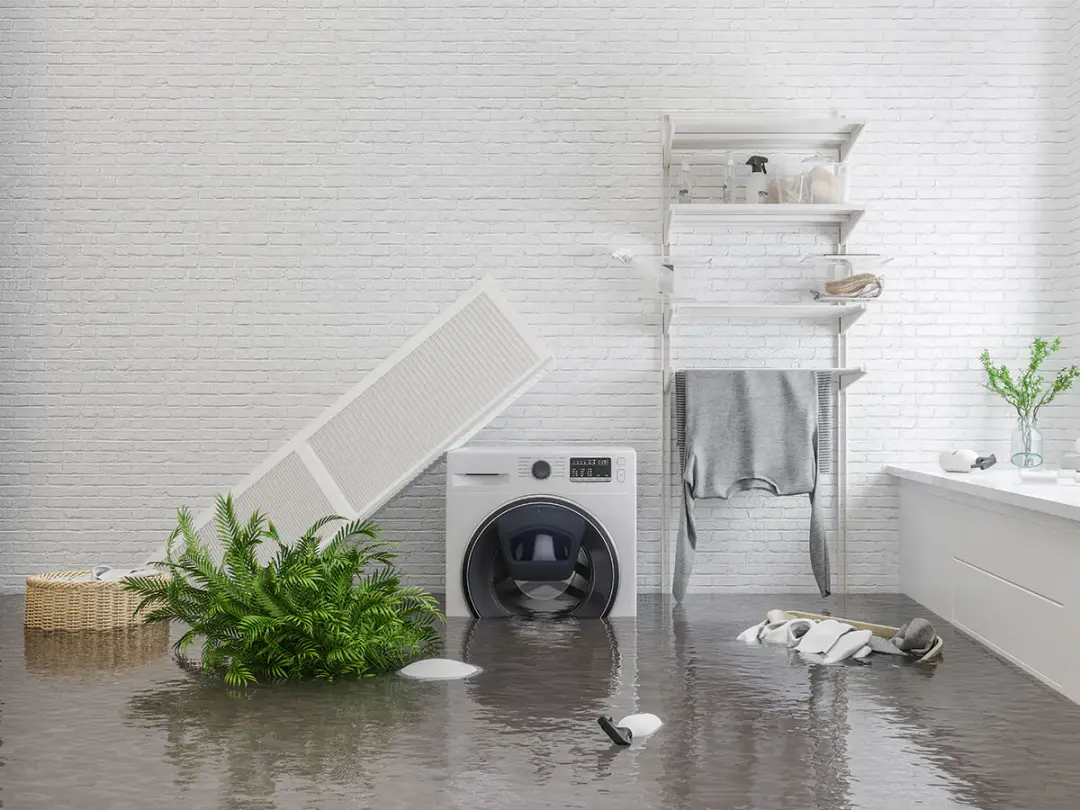
Water damage can affect much more than floors, walls, and furniture. When moisture remains untreated, it can create an unhealthy indoor environment and lead to several health concerns. Homeowners and business owners should act quickly after a leak, flood, burst pipe, or plumbing failure. Professional restoration can remove standing water, control moisture, and reduce the conditions that allow harmful contaminants to develop.
Understanding the health risks of untreated water damage Vancouver properties may experience can help you take faster action and protect everyone inside the building.
Why Can Untreated Water Damage Create Health Problems?
Water that remains inside a property increases indoor humidity and keeps building materials damp. This creates favorable conditions for mold and microbial growth. Wet drywall, carpets, insulation, wood, and upholstery can hold moisture for extended periods if they do not receive proper drying.
Contaminated water can create additional risks. Floodwater may carry dirt, bacteria, sewage, chemicals, and other contaminants into a property. Even when the water initially looks clean, prolonged exposure to moisture can contribute to an unhealthy indoor environment.
Prompt water extraction and professional drying can help limit these problems.
How Can Mold Growth Affect Indoor Health?
Mold is one of the most common concerns after untreated water damage. Mold spores naturally exist in the environment, but excessive moisture can allow mold colonies to grow rapidly indoors.
People who are sensitive to mold may experience symptoms such as:
- Sneezing and nasal irritation
- Coughing
- Throat irritation
- Watery or itchy eyes
- Skin irritation
- Increased respiratory discomfort
People with existing sensitivities may notice symptoms more quickly when they spend time in a damp or mold-affected building.
Professional restoration teams can identify moisture sources, dry affected areas, and remove damaged materials when necessary. Simply wiping visible mold without addressing the underlying moisture may not solve the problem.
Can Poor Air Quality Develop After Water Damage?
Yes, untreated moisture can contribute to poor indoor air quality. Damp materials may release unpleasant odors and support microbial growth. Mold spores and other particles can also circulate through the air, particularly when affected materials become disturbed.
A musty smell often indicates that moisture remains somewhere inside the property. The source could be behind drywall, beneath flooring, inside insulation, or in another difficult-to-see location.
Restoration professionals use moisture detection and drying equipment to locate affected areas and reduce excess moisture. This approach helps address the underlying problem instead of masking odors with air fresheners.
Can Untreated Water Damage Increase Respiratory Irritation?
A damp indoor environment can become uncomfortable for people who are sensitive to airborne particles. Mold spores, dust, and other contaminants may contribute to coughing, sneezing, congestion, or general respiratory irritation.
The risk depends on factors such as the extent of the water damage, the type of water involved, the duration of moisture exposure, and individual sensitivity.
For this reason, property owners should avoid delaying restoration simply because the visible water has disappeared. Materials can remain wet beneath surfaces long after standing water has been removed.
Why Is Contaminated Floodwater Especially Concerning?
Not all water damage has the same level of contamination. Water from a clean supply line may present different concerns than water from an overflowing toilet, sewer backup, or flood.
Contaminated water can contain microorganisms and other substances that should not come into contact with skin or household surfaces. Attempting to clean heavily contaminated areas without suitable precautions can expose occupants to unnecessary hazards.
Professional restoration workers can assess the water source, isolate affected areas, remove contaminated materials when required, and clean and dry surfaces using appropriate procedures.
How Can Water Damage Affect Children and Other Sensitive Occupants?
Different people can respond differently to poor indoor conditions. Children, older adults, and people who are particularly sensitive to airborne irritants may experience discomfort in damp environments.
This does not mean every person exposed to untreated water damage will develop a health problem. However, reducing prolonged exposure to damp, contaminated, or mold-affected areas remains an important precaution.
If extensive water damage affects frequently used rooms, consider limiting access until the affected areas have been properly assessed and restored.
Can Untreated Moisture Damage Cause Unpleasant Odors?
Persistent odors are another common consequence of water damage. Wet carpets, wood, drywall, furniture, and insulation can develop a musty smell when they remain damp.
Odors may continue even after visible moisture disappears. This happens because moisture can remain trapped inside materials or hidden spaces.
A professional inspection can help locate the source. Restoration specialists may use commercial air movers, dehumidifiers, moisture meters, and other equipment to dry the structure effectively.
What Can Property Owners Do After Discovering Water Damage?
Quick action can reduce the chance of long-term problems. Start by identifying and stopping the water source if it is safe to do so. Then remove valuable belongings from affected areas and keep people away from unsafe or contaminated water.
Avoid using electrical equipment in wet areas unless you know it is safe. Do not disturb heavily contaminated materials unnecessarily.
Contact a professional restoration company as soon as possible. A qualified team can inspect the property, determine the extent of the moisture, extract standing water, dry affected materials, and recommend necessary cleaning or repairs.
The same principles apply when dealing with water damage Hamilton properties may experience. Whether the problem starts with a plumbing leak, appliance failure, storm event, or flooding, early professional intervention can help protect the building and its occupants.
How Does Professional Restoration Help Protect Your Health?
Professional restoration focuses on more than removing visible water. Technicians assess moisture levels, identify hidden damp areas, and use specialized drying equipment to reduce remaining moisture.
Depending on the situation, restoration may include:
- Water extraction
- Structural drying
- Dehumidification
- Moisture monitoring
- Cleaning and sanitizing
- Odor control
- Removal of severely damaged materials
- Mold assessment or remediation when appropriate
A structured restoration process can reduce the conditions that support mold and microbial growth.
For property owners seeking dependable assistance, Ideal Response can help address water-related damage with a systematic restoration approach. Acting quickly can also make it easier to prevent secondary damage to walls, flooring, furniture, and other belongings.
Why Should You Avoid Delaying Water Damage Restoration?
The longer moisture remains inside a property, the more opportunity it has to affect building materials and indoor conditions. Small problems can become more complicated when water travels beneath flooring, behind walls, or into insulation.
Delaying restoration may also increase repair requirements. Drywall can deteriorate, wood can become damaged, flooring can warp, and odors can become harder to remove.
Fast action does not guarantee that every health or property risk will disappear, but it can reduce the duration of moisture exposure and help prevent avoidable complications.
How Can You Keep Your Property Safer After Water Damage?
The most important step is to treat water damage as more than a cosmetic problem. Look for signs such as damp materials, peeling paint, warped flooring, musty odors, visible mold, or unexplained increases in indoor humidity.
If you notice these signs, arrange a professional inspection. Proper drying, cleaning, and moisture control can help restore a healthier indoor environment.
Ideal Response can provide professional guidance when water damage affects residential or commercial properties. Taking action early can help protect your building, reduce secondary damage, and minimize the conditions that may contribute to indoor health concerns.
Ultimately, untreated water damage should never be ignored. Prompt assessment and professional restoration can help control moisture, protect structural materials, and create a cleaner and safer environment for occupants.





recent post

How Can a Cosmetic Dentist in Houston TX Transform Your Smile?
November 13, 2026
Chitram: Enjoy Your Favourite Kannada Entertainment with Kannada TV Live
November 13, 2026
CONTACT US
Category
MUST READ

Popular Posts