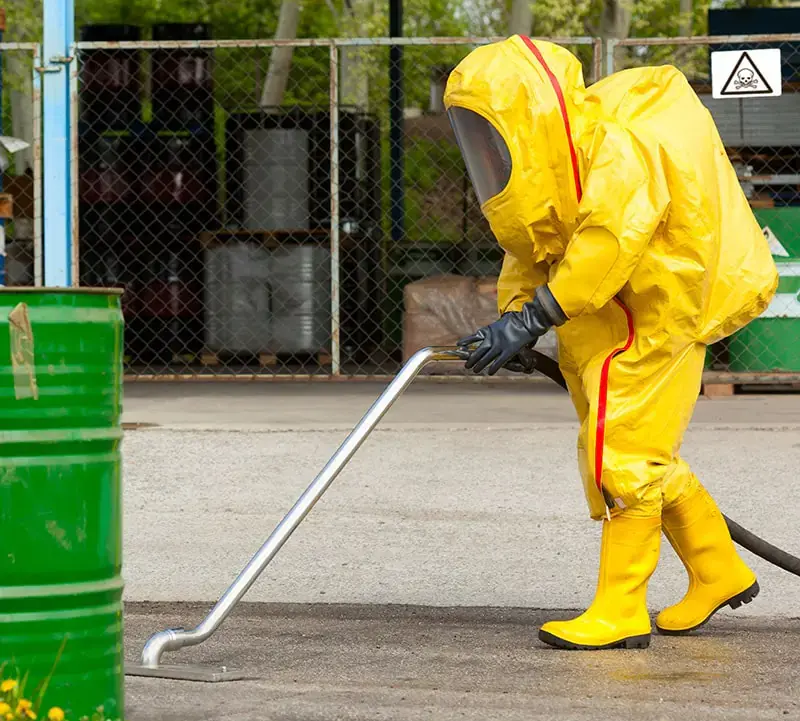
Flooding can cause serious damage to homes and businesses in a short time. From soaked flooring and damaged drywall to hidden moisture and mould growth, water can create problems that become more expensive when left untreated. Professional restoration helps property owners control the damage, remove standing water, dry affected areas, and restore the property to a safe condition. Understanding what flood damage Ottawa services involve can help you respond quickly when an unexpected water emergency occurs.
Why Is Fast Flood Damage Restoration Important?
Quick action can make a major difference after a flood. Water can spread through floors, walls, ceilings, insulation, and furniture. The longer moisture remains, the greater the risk of structural damage, unpleasant odours, mould, and permanent material deterioration.
Professional restoration teams respond quickly to identify the source and extent of the water damage. They can begin extraction and drying before moisture spreads further. Fast service also helps reduce disruption to your home or business.
What Does the Initial Flood Damage Assessment Include?
Restoration usually begins with a detailed property assessment. Professionals inspect rooms affected by water and identify visible and hidden moisture. They may check floors, walls, ceilings, cabinets, insulation, and other building materials.
The team also determines the type and severity of the flooding. Clean water from a broken supply line may require different handling from contaminated water caused by sewage or outside flooding. This assessment allows technicians to create a suitable restoration plan.
A careful inspection also helps identify areas that require special attention. By understanding the full scope of the problem, professionals can focus their efforts on the most affected parts of the property.
How Is Standing Water Removed?
Water extraction is one of the first major steps in flood restoration. Standing water can quickly soak porous materials and move into areas that are difficult to see. Professionals use commercial-grade pumps and water extraction equipment to remove large amounts of water efficiently.
After removing standing water, technicians may use specialized extraction tools to collect moisture from carpets, upholstery, flooring, and other materials. Removing water quickly helps prevent additional damage and prepares the property for the drying stage.
How Does Professional Drying Prevent Further Damage?
Removing visible water does not mean a property is completely dry. Moisture can remain beneath flooring, inside walls, under cabinets, and within insulation. Professional drying addresses this hidden moisture.
Technicians use air movers, dehumidifiers, moisture meters, and other drying equipment to control humidity and promote evaporation. They monitor moisture levels during the process to determine when affected materials have reached appropriate dryness.
This step plays an important role in preventing mould and protecting building materials. Proper drying also helps reduce the chance of long-term odours and deterioration.
What Happens to Damaged Materials?
Not every water-damaged material can be saved. Restoration professionals evaluate flooring, drywall, insulation, carpeting, cabinets, and personal belongings to determine whether cleaning and drying can restore them.
Materials that remain structurally sound may receive professional cleaning and drying. Severely damaged materials may require removal and replacement. Technicians typically focus on removing materials that cannot be safely restored while preserving items that remain usable.
This approach can help control restoration costs while supporting a safer recovery process.
How Does Water Damage Cleanup Handle Contamination?
Floodwater may contain dirt, bacteria, chemicals, or other contaminants. For this reason, water damage cleanup requires appropriate safety procedures. Professionals use protective equipment and suitable cleaning products based on the type of water involved.
Affected surfaces can be cleaned, disinfected, and deodorized when appropriate. Technicians may also remove contaminated materials that cannot be safely restored.
Professional disaster restoration services can provide a coordinated response when flooding affects several parts of a property or involves multiple types of damage.
Can Flood Restoration Prevent Mould Growth?
Yes, timely restoration can significantly reduce the conditions that encourage mould growth. Mould thrives in damp environments, particularly when moisture remains for an extended period.
Professional teams focus on removing water, drying affected materials, and controlling indoor humidity. They also inspect areas where moisture may remain hidden.
If mould has already developed, additional remediation may be necessary. Addressing moisture at its source remains an important part of preventing recurring mould problems.
What Role Does Cleaning and Deodorizing Play?
Flooding can leave behind dirt, stains, bacteria, and unpleasant smells. Once water removal and drying are complete, technicians can clean affected surfaces and belongings where possible.
Cleaning methods depend on the material and level of contamination. Deodorizing treatments may also help remove persistent odours caused by stagnant water or damp materials.
A thorough cleaning process helps make the property more comfortable and supports the final restoration stage.
How Can Disaster Restoration Services Help With Property Recovery?
Flood damage can involve several tasks, including water extraction, structural drying, cleaning, repairs, and material replacement. Coordinating these tasks can be challenging for property owners, especially during an emergency.
Professional disaster restoration services provide a structured approach to recovery. Teams can assess damage, prioritize urgent work, document affected areas, and complete restoration steps in the correct order.
For property owners dealing with flood damage Ottawa, working with an experienced restoration provider can simplify the recovery process and reduce the risk of overlooked moisture or secondary damage.
What Should You Do Before Professional Help Arrives?
Property owners can take a few sensible steps while waiting for restoration professionals. If it is safe, stop the water source and move valuable belongings away from affected areas. Avoid using electrical equipment in wet locations, and stay away from contaminated water.
Do not remove heavily soaked materials without understanding the risks. Instead, document the damage with photographs and contact a professional restoration provider as soon as possible.
Taking quick and safe action can help limit additional damage while the restoration team prepares the property for professional assessment.
How Can Ideal Response Help With Flood Restoration?
Flood restoration requires speed, proper equipment, and careful attention to detail. A professional team can manage water removal, drying, cleaning, and restoration while keeping the recovery process organized.
Ideal Response focuses on practical restoration solutions that address both visible and hidden water damage. From the initial assessment to the final cleanup, professional support can help property owners move toward a safer and more comfortable environment.
When unexpected flooding affects your property, Ideal Response can help guide the restoration process and address the damage with an organized, professional approach.
What Is the Best Way to Respond to Flood Damage in Ottawa?
Flood damage should never be ignored. Even a small amount of water can move into hidden areas and create larger problems over time. Prompt assessment, professional extraction, thorough drying, cleaning, and necessary repairs form the foundation of effective flood restoration.
By choosing qualified disaster restoration services and acting quickly, property owners can reduce secondary damage and improve the chances of restoring affected areas successfully. A timely response is one of the most important steps you can take after flooding.






CONTACT US

Category
MUST READ


Popular Posts