What Should You Check Before Calling an Oven Repair Technician?
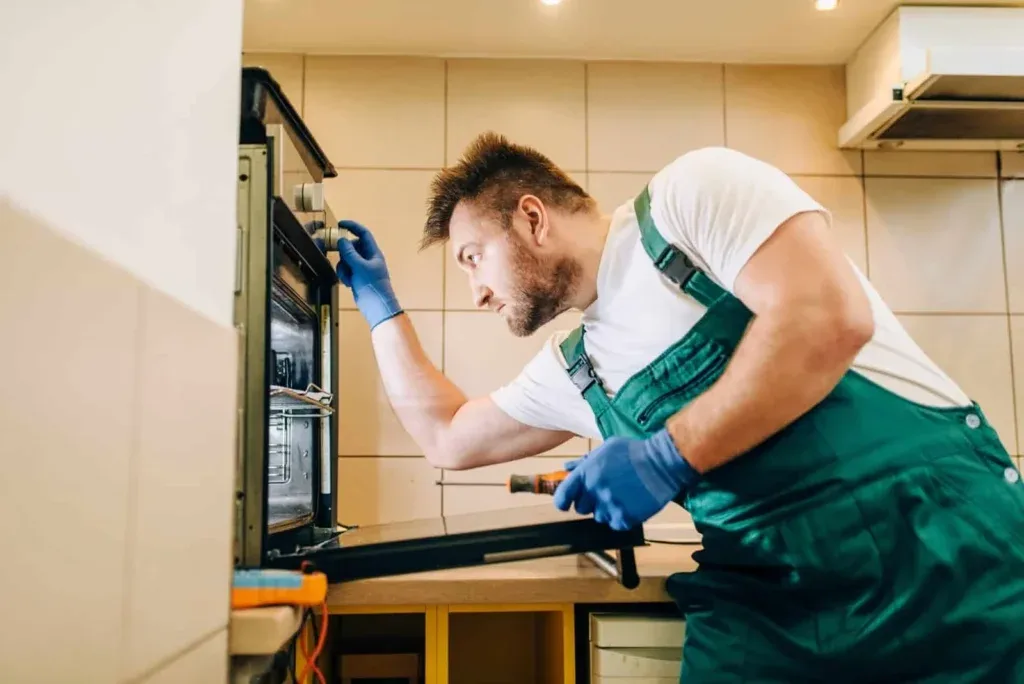
A malfunctioning oven can quickly disrupt your cooking routine. Whether the oven fails to heat, cooks food unevenly, or produces unusual noises, you may feel tempted to call a technician immediately. However, checking a few basic things first can help you understand the problem and give the technician useful information.
Homeowners searching for oven repair Orlando services can often save time by identifying simple issues before scheduling a service call. At the same time, some oven problems require professional attention because electrical, gas, or internal mechanical components can create safety risks.
So, what should you check before calling an oven repair technician? Let’s explore the important steps you can take.
Why Should You Identify the Oven Problem First?
Before contacting a professional, observe exactly what your oven does when you try to use it. Does it fail to turn on? Does it turn on but remain cold? Does it take too long to reach the selected temperature?
Write down the symptoms you notice. For example, you might find that the oven heats only on one side, the display flashes an error code, or the appliance shuts off during cooking.
This information helps a technician understand the possible cause before arriving. It can also make the diagnostic process faster.
If you need professional appliance repair Orlando services, providing clear details about the problem can help the technician prepare the right tools and replacement parts.
Could a Power Problem Be Causing the Issue?
One of the first things you should check involves the oven’s power supply. Electric ovens need a reliable electrical connection to operate properly. If your oven does not turn on, check whether other appliances in the kitchen are working.
Look at the circuit breaker panel. A tripped breaker can interrupt power to the oven. If the breaker has tripped, you can reset it once. However, if it trips again, avoid repeatedly resetting it.
A recurring electrical issue may indicate a more serious problem. In that situation, contact a qualified professional instead of attempting electrical repairs yourself.
For built-in ovens, also check whether the appliance’s display shows any signs of power. A completely blank display can provide an important clue for the technician.
Have You Checked the Oven Settings?
Sometimes, incorrect settings can make an oven appear faulty. Before booking a repair appointment, check the temperature, cooking mode, timer, and control lock.
Modern ovens often include several cooking functions, such as bake, broil, convection, and self-cleaning. Selecting an unexpected setting can change how the oven heats.
Make sure the oven is set to the desired cooking mode and temperature. If you use a timer, confirm that it has not ended the cooking cycle.
You should also check whether the control panel has a lock feature enabled. Some ovens prevent users from operating the appliance when the controls remain locked.
These simple checks may resolve minor operating problems without requiring a service visit.
Could the Heating Element Be the Problem?
If an electric oven turns on but does not heat correctly, the heating element could have an issue. Look at the visible bake or broil element while the oven operates.
A functioning element usually becomes visibly hot. If one section remains completely cold or the element shows obvious physical damage, the component may need professional inspection.
Do not touch the heating element while the oven is operating or immediately after use. It can become extremely hot and cause serious burns.
A damaged heating element may require replacement. A technician can test the component safely and determine whether the problem involves the element, wiring, thermostat, or another internal part.
Should You Check the Oven Door and Seal?
The oven door plays an important role in maintaining cooking temperature. A damaged or loose door seal can allow heat to escape and cause uneven cooking.
Inspect the gasket around the oven door. Look for cracks, loose sections, burns, or visible gaps. Also check whether the door closes completely.
If the door does not close properly, avoid forcing it. A damaged hinge, latch, or gasket may require professional repair.
A faulty seal can also make the oven work harder to maintain its temperature. Addressing the problem early can help prevent unnecessary energy use and inconsistent cooking results.
Have You Noticed Any Unusual Smells or Sounds?
Pay attention to unusual odors or sounds before calling a technician. A mild smell during the first few uses of a new oven can occur as manufacturing residues burn away. However, strong burning smells, gas odors, smoke, sparking, or unusual electrical sounds require immediate attention.
If you smell gas, do not attempt to diagnose or repair the oven yourself. Turn off the appliance if it is safe to do so, avoid flames and electrical switches, leave the area, and contact the appropriate emergency or gas service.
Similarly, visible sparks or smoke can indicate an electrical or component problem. Stop using the oven and arrange professional service.
Could an Error Code Help the Technician?
Many modern ovens display error codes when they detect an operating problem. If your oven displays a code, write it down or take a photo of the display.
Do not assume that an error code always identifies the exact failed component. It often points toward a particular system that requires further testing.
Providing the code to a technician can help narrow the diagnostic process. It also prevents you from forgetting important details when you make the service appointment.
If the manufacturer provides an owner’s manual, check it for the meaning of the specific code. Follow only safe troubleshooting instructions recommended by the manufacturer.
Should You Check for Obvious Food or Grease Buildup?
Heavy grease, food debris, and residue can sometimes affect oven performance. Excessive buildup may produce smoke or unpleasant odors, particularly at high temperatures.
After the oven has completely cooled, inspect the interior for significant residue. Clean it according to the manufacturer’s instructions.
Avoid aggressive cleaning methods or harsh chemicals that the manufacturer does not recommend. Also, do not remove internal panels or components simply to clean areas that you cannot safely access.
If cleaning does not solve the issue, professional diagnosis may be necessary.
When Should You Stop Troubleshooting and Call a Professional?
Basic checks can help identify simple problems, but you should know when to stop. Gas-related problems, electrical faults, damaged wiring, persistent breaker trips, sparking, overheating, and major internal failures require professional attention.
Trying to repair these problems without proper training can create safety hazards and potentially cause additional damage.
When you need dependable oven service, Appliance Doctor Pro can help homeowners address appliance problems through professional diagnosis and repair.
A qualified technician can inspect the appliance, identify the underlying cause, and recommend an appropriate repair rather than relying on guesswork.
How Can You Prepare for the Technician’s Visit?
Before the technician arrives, gather useful information about the oven. Note the brand, model number, approximate age, symptoms, error codes, and any troubleshooting steps you have already completed.
Clear the area around the oven so the technician can access the appliance safely. If you have the owner’s manual or previous repair records, keep them available.
Explain exactly when the problem occurs. For example, tell the technician whether the oven fails immediately, stops heating after a certain period, or works inconsistently.
Clear information can make the appointment more efficient.
Why Is Professional Oven Repair Worth Considering?
An oven contains electrical, heating, gas, electronic, and mechanical components that work together. A problem with one component can sometimes produce symptoms that look like another issue.
Professional diagnosis helps identify the actual source of the failure. Instead of replacing parts unnecessarily, a technician can test relevant components and determine the appropriate repair.
For homeowners looking for oven repair Orlando or broader appliance repair Orlando assistance, choosing an experienced service provider can make the repair process easier and safer.
Appliance Doctor Pro focuses on professional appliance service so homeowners can get their ovens inspected and repaired when troubleshooting cannot solve the problem.
What Should You Remember Before Booking Oven Repair?
Before calling an oven repair technician, check the power supply, settings, door seal, visible heating elements, error codes, and obvious debris. Pay attention to unusual smells, smoke, sparks, or sounds, and never attempt risky electrical or gas repairs yourself.
Simple checks can sometimes solve minor problems, while more serious symptoms require trained professional assistance. By documenting the issue and preparing your oven for inspection, you can help the technician diagnose the problem more efficiently.
When your oven stops working properly, acting quickly can prevent a small problem from becoming a larger and more expensive repair. A professional inspection gives you a safer way to restore reliable oven performance and get back to your normal cooking routine.




recent post

CONTACT US

Category
MUST READ

Popular Posts