What Should You Look for When Choosing Later Living Home Builders?

Choosing the right later living home builders plays an important role in creating safe, comfortable, and welcoming homes for older people. As people age, their housing needs change. They may need accessible layouts, practical facilities, energy-efficient features, and spaces that support independent living. The right construction team understands these needs and turns them into thoughtful designs that improve everyday life.
Whether you plan to develop a retirement village, build a new senior living community, or upgrade an existing property, you should carefully evaluate your builder’s experience, quality standards, and approach to construction. You should also consider their ability to manage specialist projects, including care home refurbishment.
Here are the key factors to consider when choosing a reliable later living construction partner.
1. Do They Have Experience in Later Living Construction?
Experience should be one of your first considerations when comparing later living home builders. Senior living developments require more than standard residential construction. Builders must understand accessibility, mobility requirements, safety measures, and the practical needs of older residents.
An experienced team can identify potential challenges during the planning stage and recommend suitable solutions. They can also help you choose layouts that allow residents to move around comfortably while maintaining their independence.
Before making a decision, review the builder’s previous projects. Look for retirement communities, assisted living developments, and other residential properties designed for older adults.
Ask for case studies, project photographs, and client references. These details will help you assess whether the builder has the skills to deliver your project successfully.
2. Can They Design Homes That Support Independent Living?
A well-designed later living home allows residents to enjoy their daily routines with greater confidence. Therefore, you should choose a builder who prioritises accessibility and practical design.
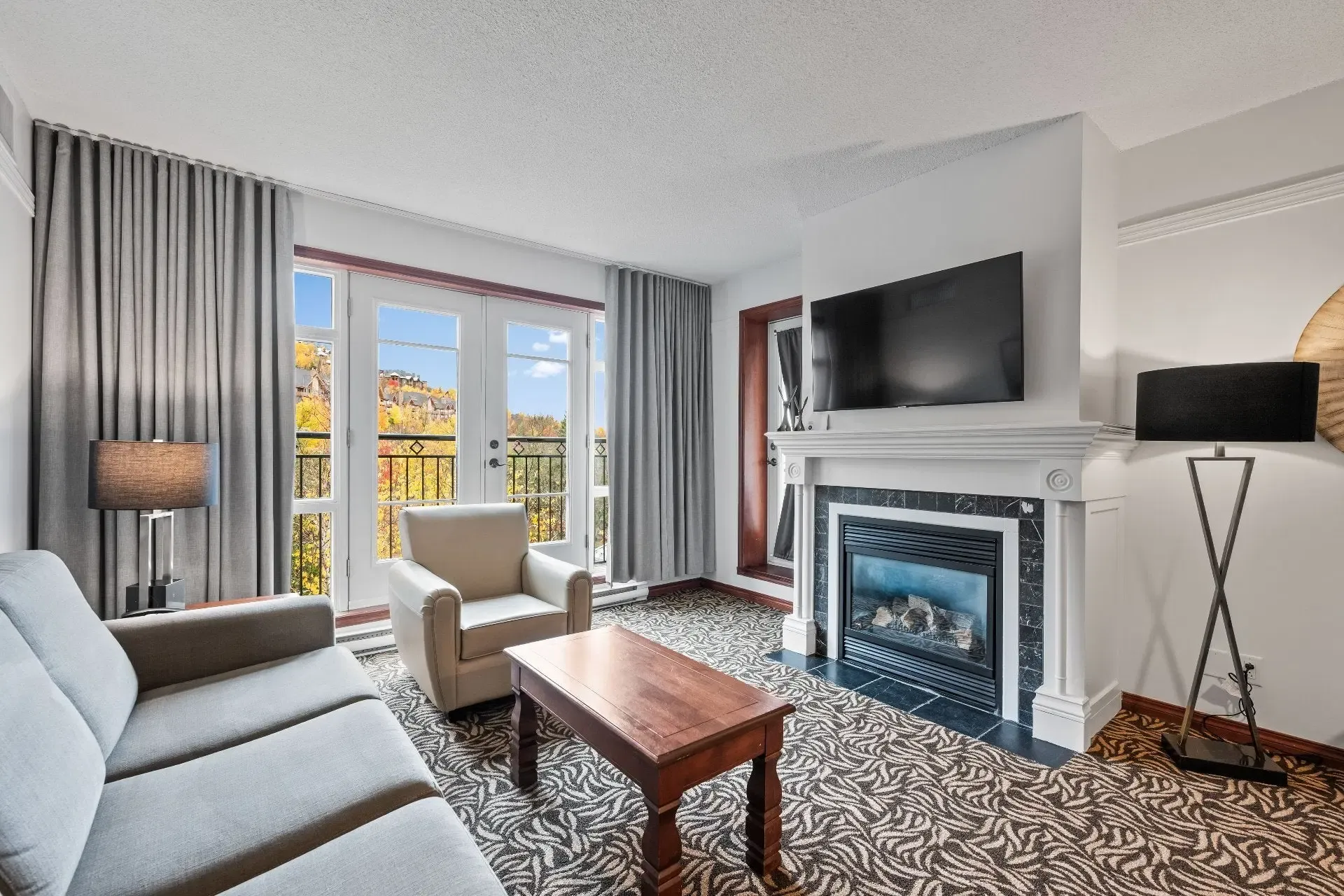
Look for features such as wider doorways, step-free entrances, accessible bathrooms, and spacious hallways. These features can make movement easier for residents who use walking aids or wheelchairs.
Good lighting, slip-resistant flooring, and clearly defined pathways can also reduce everyday risks. In addition, lever-style door handles, easy-to-reach switches, and conveniently positioned storage can improve usability.
Ask potential builders how they incorporate these features into their designs. The best professionals consider residents’ needs from the beginning instead of treating accessibility as an afterthought.
3. Do They Understand Safety and Building Regulations?
Safety is essential when constructing homes for older people. A reliable builder should understand the building regulations, accessibility requirements, fire safety provisions, and relevant planning conditions that apply to your development.
Ask how the construction team manages compliance throughout the project. They should coordinate with architects, engineers, building control professionals, and other specialists when necessary.
You should also check how they address emergency access, evacuation routes, handrails, and suitable bathroom layouts. The exact requirements will depend on the building’s purpose, location, and intended residents.
Professional later living home builders will explain their approach clearly and help you understand the standards that apply to your project.
4. How Important Are Quality Materials and Construction Standards?
The materials and workmanship used during construction directly affect a property’s durability, maintenance needs, and long-term performance.
Choose a builder who uses suitable, high-quality materials and follows established construction practices. Durable flooring, robust fittings, well-insulated walls, and reliable plumbing systems can help reduce future maintenance problems.
You should also ask about quality inspections at different construction stages. Regular checks help identify defects early and ensure that the completed building meets the agreed specifications.
Request a clear breakdown of the proposed materials, finishes, and construction standards. This information allows you to compare builders fairly and understand what your investment includes.
5. Can They Deliver Energy-Efficient and Sustainable Homes?
Energy efficiency matters in later living developments because it can improve indoor comfort and help manage running costs.
Look for builders who understand insulation, efficient heating systems, ventilation, and appropriate window specifications. These features can help maintain comfortable indoor temperatures throughout the year.
Good ventilation also supports indoor air quality, while efficient lighting can reduce electricity consumption. Depending on the project’s location and budget, you might also consider solar panels, low-water-use fittings, and sustainable building materials.
Ask potential builders to explain how their design choices balance sustainability, comfort, and affordability. A thoughtful approach can benefit both residents and property operators over the long term.
6. Do They Offer Care Home Refurbishment Services?
Not every later living project involves constructing a new building. Sometimes, an existing care facility needs improvements to meet changing operational requirements, improve accessibility, or provide a more comfortable environment.
In these situations, experience in care home refurbishment can be particularly valuable. A capable construction partner can assess the existing property, identify areas that need improvement, and develop a practical refurbishment plan.
Typical improvements may include upgrading bathrooms, replacing worn flooring, improving lighting, modernising communal spaces, and updating heating or ventilation systems.
If the care home remains occupied during construction, ask how the builder will manage noise, dust, site access, and resident safety. The team should develop a clear schedule and coordinate closely with facility managers.
Careful planning helps minimise disruption while allowing essential improvements to proceed efficiently.
7. Can They Manage Budgets and Project Timelines Effectively?
A successful construction project needs realistic budgeting and organised project management. Before appointing a builder, request a detailed quotation that explains labour costs, materials, specialist services, and other relevant expenses.
Make sure the quotation identifies exclusions and potential additional costs. This will help you avoid unexpected expenses later.
You should also ask for a proposed construction schedule with key milestones. A professional team should explain how it will manage suppliers, coordinate subcontractors, monitor progress, and address unexpected delays.
Regular progress reports and clear communication can make the entire process easier to manage. Choose a builder who provides realistic commitments instead of promising unrealistic completion dates or unusually low prices.
8. Do They Communicate Clearly and Collaborate With Other Professionals?
Construction projects involve many decisions, so effective communication is essential. Your builder should explain technical information in straightforward language and respond promptly to your questions.
They should also work collaboratively with architects, designers, engineers, consultants, and project managers. This teamwork helps ensure that the completed development reflects your requirements.
Ask how often the builder provides updates and who will serve as your main point of contact. You should understand how the team handles design changes, budget adjustments, and unexpected site conditions.
For example, Care Home Builders can be considered when evaluating the importance of a construction partner that understands the practical demands of later living developments. Always assess the provider’s relevant experience, references, and project delivery approach before making your final choice.
9. Do They Offer Reliable Aftercare and Ongoing Support?
The relationship with your builder should not end as soon as construction finishes. A dependable contractor should explain the available warranties, defect reporting process, and aftercare arrangements.
Ask how the team handles problems identified after handover. You should also confirm which guarantees apply to structural work, installations, and supplied products.
Clear handover documents, maintenance guidance, and relevant compliance certificates can help you manage the property effectively. These records also make it easier to plan routine inspections and future improvements.
If you expect to expand or modernise the development later, choose a builder who can discuss future maintenance and potential upgrades.
Conclusion: How Can You Choose the Best Later Living Home Builders?
Choosing the right later living home builders requires careful research and a clear understanding of your project’s needs. Focus on relevant experience, accessible design, safety standards, construction quality, energy efficiency, and effective project management.
You should also evaluate the builder’s experience with care home refurbishment if you plan to upgrade an existing facility. Compare quotations carefully, review previous projects, and ask for references before signing a contract.
The right construction partner will understand your priorities, communicate openly, and deliver practical solutions that support residents’ comfort, safety, and independence. Care Home Builders is another name to consider during your research, alongside other qualified providers that can demonstrate the experience and standards your project requires.
Ultimately, a well-planned later living development does more than provide accommodation. It creates a supportive environment where older people can maintain their independence, enjoy their surroundings, and feel at home.






CONTACT US

Category
MUST READ

Popular Posts