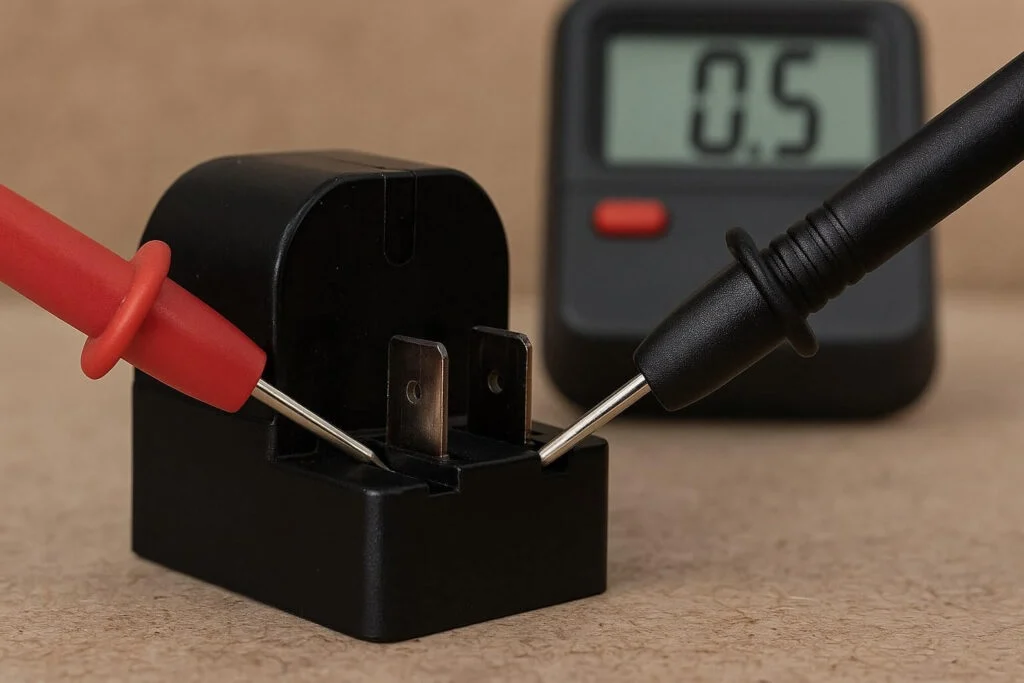
A refrigerator can make several normal sounds during everyday operation. You may hear humming, buzzing, popping, cracking, or occasional clicking as the appliance cools and adjusts its temperature. However, a repeated or unusually loud clicking sound can indicate a problem that deserves attention.
If you notice your fridge making clicking noise, first identify when the sound occurs. Does it happen every few seconds, only when the refrigerator starts, or after it has been running for a while? The timing can help you determine whether the noise comes from the compressor, start relay, fan, thermostat, ice maker, or another component.
Understanding the source can help you avoid unnecessary repairs and recognize serious problems early.
Why Is My Fridge Making Clicking Noise During Startup?
One of the most common causes of clicking involves the compressor starting. The compressor needs electrical power to begin operating, and a small component called a start relay helps control that process.
When the start relay fails, the compressor may try to start but fail. You may hear a click when the relay activates, followed by another click when it shuts off. After a short pause, the refrigerator may repeat the same cycle.
This repeated clicking often means the compressor cannot start correctly. You may also notice that the refrigerator does not cool properly or that the freezer temperature begins to rise.
If the clicking continues every few minutes and the appliance struggles to cool, have a qualified appliance technician inspect the compressor and start relay.
Could a Faulty Start Relay Cause the Clicking Sound?
Yes, a defective start relay can create a noticeable clicking pattern. The relay helps send power to the compressor during startup. When it becomes worn or damaged, it may fail to provide the correct electrical connection.
A faulty relay can produce a simple pattern:
- The refrigerator calls for cooling.
- The relay sends power toward the compressor.
- The compressor fails to start.
- The relay clicks off.
- The refrigerator tries again.
If you hear this pattern repeatedly, do not ignore it. Continuous failed startup attempts can place additional stress on the compressor.
Before inspecting electrical components, unplug the refrigerator and avoid working on live wiring. If you are not comfortable testing appliance components, let a professional handle the diagnosis.
Why Is My Fridge Buzzing Loudly Along With Clicking?
Sometimes homeowners search for fridge buzzing loudly when the appliance produces both a buzzing and clicking sound. This combination can point toward a compressor or fan-related issue.
A refrigerator normally produces a low hum while the compressor operates. A louder buzz followed by a click, however, may indicate that the compressor is struggling to start. The compressor can draw power and produce a buzzing sound before the protective system shuts it down with a click.
A vibrating refrigerator can also make a normal operating sound seem much louder. Check whether the appliance sits level and whether it touches the wall, cabinets, or other objects. Small vibrations can amplify noise.
If the buzzing becomes unusually loud and cooling performance decreases, arrange an inspection instead of assuming the sound is normal.
Could the Condenser Fan Cause Clicking or Buzzing?
The condenser fan helps remove heat from the refrigerator system. When dust, debris, or an object interferes with the fan, it may produce buzzing, rattling, or clicking noises.
A damaged fan blade can also strike a nearby component while rotating. In some refrigerators, the fan may stop and restart as the cooling system cycles, making the sound appear intermittent.
Unplug the refrigerator before checking accessible areas around the fan. Remove visible dust and debris carefully, but avoid bending fan blades or interfering with electrical connections.
If the fan still makes unusual sounds after cleaning, a technician may need to inspect the motor or replace the damaged component.
Can the Evaporator Fan Make a Clicking Sound?
The evaporator fan circulates cold air through the refrigerator and freezer compartments. If ice builds around the fan, the blades can strike the ice and create a repetitive clicking or tapping noise.
This problem often becomes more noticeable when the freezer develops excessive frost. You may hear the sound from inside the freezer compartment rather than near the back or bottom of the refrigerator.
Check for unusual frost buildup around the freezer vents. Do not chip ice away with a sharp object because you could damage internal components or refrigerant lines.
If frost repeatedly returns after defrosting, the refrigerator may have a problem with its defrost system, door seal, temperature control, or airflow.
Could the Ice Maker Be Making the Clicking Noise?
The ice maker can create clicking, buzzing, knocking, and popping sounds during normal operation. It may activate a motor, open a water valve, or release newly formed ice into the storage bin.
If the clicking happens only during the ice-making cycle and the refrigerator otherwise works normally, the sound may not indicate a major problem.
However, a repeated clicking sound from the ice maker can occur when the unit struggles to fill with water or when frozen ice blocks its mechanism. Check whether the ice maker has enough water and whether ice has become stuck inside the tray.
If you do not use the ice maker, switching it off can help determine whether it causes the noise.
How Can You Tell Whether the Clicking Is Normal?
Pay attention to the pattern, location, and frequency of the noise. A brief click when the compressor starts or stops can be normal. Occasional clicks from temperature controls, ice makers, or expanding refrigerator materials can also occur during normal operation.
A warning sign appears when the clicking becomes repetitive, loud, or synchronized with cooling problems.
Watch for these symptoms:
- The refrigerator clicks every few minutes.
- The freezer or refrigerator compartment becomes warm.
- The compressor feels unusually hot.
- Buzzing continues before each click.
- Fans stop or struggle to turn.
- Frost builds up around vents.
- The appliance cycles on and off unusually often.
These signs suggest that the sound may come from a mechanical or electrical problem rather than ordinary refrigerator operation.
What Should You Check When Your Fridge Starts Clicking?
Start with simple observations before considering repairs. Make sure the refrigerator has adequate ventilation around the exterior. Check that it sits level and does not touch surrounding cabinets or walls.
Listen carefully to determine where the sound originates. The bottom rear area may indicate the compressor, start relay, or condenser fan. The freezer compartment may point toward the evaporator fan or ice maker.
Also check the temperature inside both compartments. A clicking refrigerator that maintains the correct temperature may have a less serious issue than one that clicks continuously while failing to cool.
Avoid repeatedly unplugging and reconnecting the appliance in an attempt to force the compressor to start. If the compressor repeatedly fails, professional diagnosis can prevent further damage.
When Should You Call a Refrigerator Repair Professional?
Call a qualified appliance professional when the clicking continues frequently, the refrigerator stops cooling, or you hear loud buzzing from the compressor area. Electrical components can carry dangerous voltages, so do not attempt repairs if you lack the necessary experience.
A technician can test the start relay, compressor, fan motors, thermostat, and other components to identify the actual cause.
At Fridge Mentor, we believe homeowners should understand common refrigerator sounds before deciding whether they need professional service. A little observation can help you describe the problem accurately and avoid unnecessary troubleshooting.
How Can You Prevent Refrigerator Clicking Problems?
Regular maintenance can reduce several causes of unusual refrigerator noise. Keep condenser areas clean, maintain proper airflow, avoid overloading shelves, and make sure the doors close completely.
Replace damaged door seals promptly and keep vents clear so cold air can circulate properly. If your refrigerator has an ice maker, make sure its water supply remains unobstructed.
You should also respond quickly when your appliance develops a new or unusually loud sound. Early attention can prevent a small component problem from becoming a larger cooling-system failure.
What Is the Best Way to Handle a Clicking Refrigerator?
A clicking refrigerator does not always mean something is seriously wrong. Some clicks are part of normal operation, while repeated clicking can indicate a failing start relay, struggling compressor, obstructed fan, ice maker issue, or another component problem.
The most important step is to observe the sound and connect it with the refrigerator’s cooling performance. If your fridge making clicking noise also stops cooling or produces a fridge buzzing loudly sound, professional inspection is the safest choice.
With regular maintenance and timely repairs, you can keep your refrigerator operating efficiently and reduce the risk of an unexpected breakdown. Fridge Mentor can help homeowners understand refrigerator symptoms and make more informed decisions about appliance care.




CONTACT US

Category
MUST READ

Popular Posts