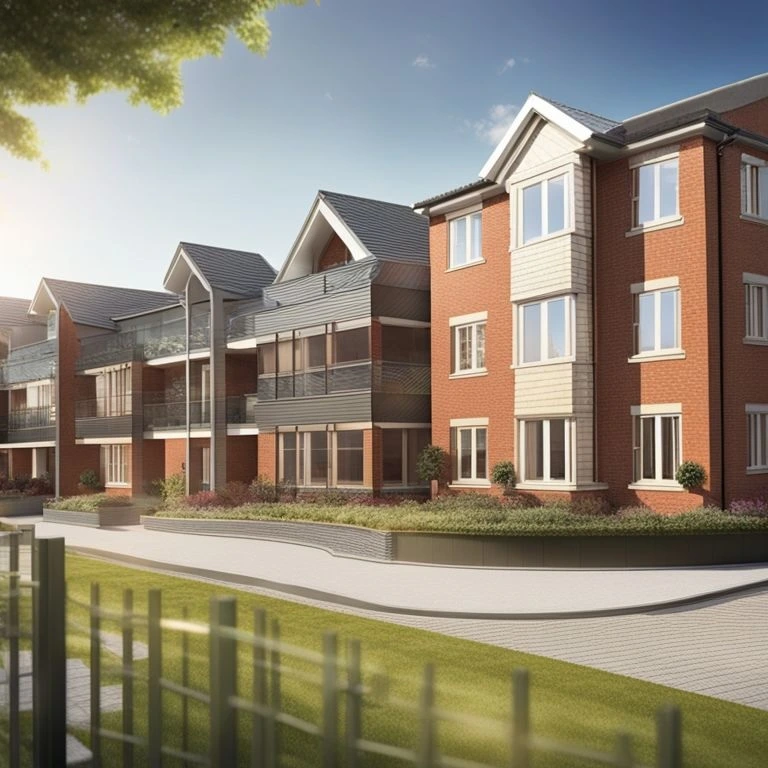
Choosing the right later living home builders is an important decision when developing a modern community for older adults. A later living development must provide more than attractive buildings. It should create a safe, comfortable, accessible, and welcoming environment where residents can enjoy a high quality of life.
The right builder understands the needs of older people and combines thoughtful design with strong construction standards. They also work closely with developers, investors, architects, planners, and care professionals to deliver successful projects.
Whether you are planning a retirement community, assisted living development, or specialist care environment, knowing what to look for in a builder can help you make a confident decision.
Why Is Experience Important When Choosing Later Living Home Builders?
Experience plays a major role in the success of a later living development. Builders with relevant experience understand the practical requirements of creating homes and communal spaces for older residents.
An experienced team knows how to plan accessible entrances, comfortable living spaces, safe bathrooms, suitable corridors, and practical communal areas. They also understand how design choices can support independence and mobility.
Ask potential builders about their previous later living projects. Look at the type of developments they have completed, the scale of their projects, and the challenges they have successfully managed.
A strong portfolio can demonstrate whether a builder has the technical knowledge and practical experience needed for your project.
How Can You Assess the Builder’s Understanding of Accessibility?
Accessibility should remain a central consideration in later living design. Residents may have different mobility requirements, so the development should accommodate a wide range of needs.
Look for builders who understand features such as step-free entrances, wider doorways, accessible bathrooms, suitable flooring, handrails, lifts, and well-planned circulation areas.
Good accessibility should feel natural rather than institutional. Residents should be able to move around the development confidently while maintaining a sense of independence.
Experienced later living home builders can work with architects and design teams to incorporate accessibility into the structure from the beginning rather than treating it as an afterthought.
What Should You Know About Construction Quality?
Construction quality directly affects the comfort, safety, and long-term value of a later living development. A builder should use reliable materials and follow appropriate construction standards throughout the project.
Ask about their quality-control processes and how they monitor work on site. Find out how they manage inspections, materials, workmanship, and final checks.
A quality-focused builder will not simply aim to complete the project quickly. They will focus on creating durable buildings that can serve residents effectively for many years.
Good construction can also reduce maintenance requirements and help protect the long-term investment in the development.
How Important Is Safety in Later Living Development?
Safety becomes especially important when designing homes for older adults. Builders should consider safety at every stage, from initial planning through final construction.
Features such as suitable lighting, slip-resistant surfaces, secure entrances, clear pathways, accessible emergency exits, and well-designed communal spaces can improve resident safety.
The builder should also demonstrate a strong approach to site safety during construction. Ask about their health and safety policies, contractor management, risk assessments, and compliance procedures.
A builder that takes safety seriously during construction is more likely to maintain the same level of attention when delivering the finished development.
Why Should You Evaluate Communication and Project Management?
Successful construction depends on effective communication. Your builder will need to coordinate with architects, consultants, contractors, planning teams, suppliers, and other stakeholders.
Choose a company that communicates clearly and provides regular project updates. You should understand what stage the project has reached, what work comes next, and whether any risks could affect the schedule or budget.
Strong project management can prevent delays and reduce confusion. Ask potential builders how they manage timelines, budgets, procurement, subcontractors, and unexpected construction challenges.
Clear communication also makes it easier to solve problems before they become expensive or disruptive.
How Can Care Home Developers Benefit From Specialist Expertise?
Care Home Developers need builders who understand that later living projects have different requirements from standard residential developments.
A specialist builder can help create spaces that support residents, staff, visitors, and care professionals. The design may need to accommodate private apartments, communal lounges, dining areas, activity rooms, landscaped gardens, reception spaces, and operational facilities.
Builders should understand how these spaces work together. They should also appreciate the importance of creating an environment that feels welcoming and residential rather than overly clinical.
Working with experienced Care Home Developers can also help builders understand operational requirements and deliver spaces that support efficient day-to-day management.
What Role Does Sustainability Play in Later Living Construction?
Sustainability has become an increasingly important consideration for modern property developments. Later living communities can benefit from energy-efficient construction, responsible material choices, effective insulation, efficient heating and cooling systems, and well-planned natural lighting.
Ask builders about their approach to sustainable construction. Find out whether they have experience incorporating energy-efficient technologies and environmentally responsible materials.
Sustainable design can potentially reduce operating costs while creating more comfortable indoor environments for residents.
Landscaping can also contribute to sustainability and resident wellbeing. Green spaces, gardens, shaded outdoor areas, and attractive walking routes can make a later living community more enjoyable.
How Important Are Communal Spaces in Later Living Communities?
A successful later living development should provide opportunities for residents to connect with others. Communal spaces can encourage social interaction and create a stronger sense of community.
Look for builders who understand the importance of lounges, dining areas, activity rooms, gardens, outdoor seating, and other shared facilities.
These spaces should provide comfort while remaining easy to access. Good layouts can encourage residents to participate in activities without making the environment feel crowded.
The builder should work closely with the design team to ensure communal areas meet both aesthetic and practical requirements.
Should You Consider the Builder’s Reputation and Previous Projects?
A builder’s reputation can provide valuable insight into how they approach their work. Before selecting a company, review its previous projects and ask for relevant references where possible.
Look for evidence of reliable project delivery, quality workmanship, professional communication, and effective problem-solving.
You can also assess whether previous developments reflect the standards you want for your own project. A strong portfolio should demonstrate consistency rather than one successful project.
Care Home Builders should be able to explain their experience clearly and show how they have delivered projects that meet specific client and resident requirements.
How Can You Compare Costs Without Sacrificing Quality?
Budget remains an important part of every construction project. However, choosing the cheapest quote does not always provide the best value.
Compare quotations carefully and make sure you understand what each proposal includes. Check construction costs, materials, project management, timelines, specialist work, and potential additional charges.
A reliable builder should provide transparent pricing and explain any assumptions within the quotation.
Think about long-term value as well as the initial construction cost. Durable materials, efficient systems, quality workmanship, and thoughtful design can reduce future maintenance expenses.
What Makes the Right Later Living Home Builder a Good Choice?
The right builder combines experience, construction quality, accessibility knowledge, safety awareness, sustainability, communication, and strong project management.
Before making a final decision, review the builder’s portfolio, ask detailed questions, check references, and compare proposals carefully. Most importantly, choose a team that understands the needs of later living residents.
A successful development should offer more than functional accommodation. It should create a safe, attractive, comfortable, and connected community where residents can enjoy independence and wellbeing.
By selecting experienced later living home builders, developers can create projects that deliver lasting value for residents, operators, investors, and the wider community.



recent post
What Should You Look for in Later Living Home Builders?
September 1, 2026

Innovative Garden and Rooftop Glasshouse Designs for Modern Green Spaces
September 1, 2026

What Should You Look for in a Private Pilates Instructor in Houston?
September 1, 2026

10 Inventory Management Mistakes Growing Businesses Should Stop Making
September 1, 2026

Why Should Businesses Choose a Reliable Bulk Corporate Diary Supplier?
September 1, 2026
CONTACT US

Category
MUST READ
Popular Posts