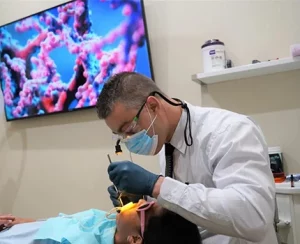
Choosing the right braces can help you achieve a straighter smile, improve your bite, and support better oral health. However, with several orthodontic treatment options available, finding the best solution for your needs can feel overwhelming. Your age, dental condition, lifestyle, budget, and personal preferences all play an important role in this decision.
If you are exploring braces Miami treatment options, understanding the differences between traditional metal braces, ceramic braces, lingual braces, and clear aligners can help you make an informed choice. An experienced orthodontist can examine your teeth, explain the available treatments, and recommend an option that matches your goals.
What Types of Braces Can You Choose From in Miami?
Orthodontic practices offer several options to correct crooked teeth, close gaps, and improve bite alignment. Each treatment has unique benefits, so the best choice depends on your individual needs.
1. Traditional Metal Braces
Metal braces remain one of the most popular orthodontic treatments. They use stainless steel brackets attached to the teeth and connected by a wire. Your orthodontist adjusts the wire during regular appointments to gradually move your teeth into the desired position.
Key benefits of metal braces include:
- Effective treatment for mild, moderate, and complex alignment problems.
- Durable materials that withstand everyday use.
- Reliable correction of many bite-related issues.
- Often a more budget-friendly option than some alternatives.
- Colorful elastic bands that allow younger patients to personalize their smiles.
Metal braces work well for children, teenagers, and adults who need comprehensive orthodontic correction. Although they remain visible when you smile, their effectiveness makes them a dependable choice for many patients.
2. Ceramic Braces
Ceramic braces work similarly to traditional metal braces, but they use tooth-colored or clear brackets. Their design blends more naturally with your teeth, making them less noticeable during conversations, photographs, and everyday activities.
These braces appeal to adults and teenagers who want effective treatment without prominent metal brackets.
However, ceramic brackets can require extra care because they may stain or become damaged if you do not follow your orthodontist’s instructions. They may also cost more than traditional metal braces.
If appearance matters to you but you need the control of fixed braces, ceramic braces may offer a practical balance between aesthetics and performance.
3. Lingual Braces
Lingual braces sit on the inner surfaces of your teeth, facing your tongue. This placement makes them difficult for other people to notice when you smile.
They use brackets and wires to move teeth gradually, much like conventional braces. However, lingual braces require specialized placement and careful adjustments.
Why consider lingual braces?
- They remain hidden behind your teeth.
- They can correct a range of alignment problems.
- They offer a fixed treatment option for patients concerned about appearance.
Lingual braces may cost more than conventional braces and can take time to get used to. Some patients experience temporary speech changes or tongue irritation. An orthodontic evaluation will help determine whether this option suits your dental condition.
4. Clear Aligners
Clear aligners use a series of removable, transparent trays to move teeth gradually. Patients wear each set according to their orthodontist’s instructions and switch to the next set as treatment progresses.
Many adults and teenagers prefer clear aligners because they offer flexibility and a discreet appearance.
Their main advantages include:
- Transparent trays that are less noticeable than traditional braces.
- Removable design for eating and drinking.
- Easier brushing and flossing without brackets or wires.
- Smooth materials that may reduce irritation from metal components.
However, clear aligners require discipline. You must wear them for the recommended number of hours each day to achieve the expected results. They may not suit every complex orthodontic problem, so your orthodontist must assess your teeth before recommending treatment.
How Can You Decide Which Braces Suit Your Smile Best?
The right treatment should address your dental concerns while fitting comfortably into your daily routine. Instead of choosing braces based only on appearance or price, consider the following factors.
What Dental Problems Do You Need to Correct?
Your orthodontist will examine your teeth, jaw alignment, spacing, crowding, and bite. Metal braces may suit complex cases, while ceramic braces or clear aligners may work well for selected mild to moderate alignment problems.
Lingual braces can also address many orthodontic concerns when a specialist determines that they are appropriate.
Your treatment plan should focus on achieving a healthy bite and properly aligned teeth rather than simply improving their appearance.
How Important Is Appearance During Treatment?
If you prefer a less noticeable option, ceramic braces, lingual braces, or clear aligners may meet your needs. If you prioritize durability and treatment versatility, traditional metal braces may be the better choice.
Think about your work environment, social activities, and comfort level before making a decision.
What Is Your Orthodontic Budget?
Treatment costs vary depending on the type of braces, the complexity of your case, the length of treatment, and the orthodontic practice.
Metal braces often provide an economical starting point, while ceramic and lingual braces may involve higher costs. Clear aligner pricing varies according to the treatment plan and the number of trays required.
Ask your orthodontist for a written estimate that explains the total fee, adjustment appointments, retainers, insurance coverage, and available payment plans. This approach helps you compare options accurately.
Why Should You Look for the Best Rated Orthodontist Near Me?
Searching for the best rated orthodontist near me can help you identify local professionals, but online ratings should not determine your decision alone. Look for an orthodontist with relevant qualifications, experience, clear communication, and a treatment approach that reflects your needs.
Consider these important points when comparing providers:
- Professional qualifications: Check the orthodontist’s education, credentials, and specialized training.
- Treatment options: Choose a practice that explains suitable alternatives instead of recommending the same treatment to every patient.
- Patient reviews: Read recent reviews for information about communication, appointment scheduling, and overall patient experiences.
- Transparent pricing: Request a clear breakdown of treatment fees and payment options.
- Follow-up care: Ask how the practice monitors progress and handles adjustments or unexpected concerns.
At Ivanov Orthodontic Experts, patients can use an orthodontic consultation to discuss their smile goals, explore appropriate treatment options, and understand the factors that influence their treatment plan.
How Can You Maintain Your Braces and Protect Your Oral Health?
Good oral hygiene plays an important role throughout orthodontic treatment. Food particles and plaque can collect around brackets, wires, and aligners, increasing the risk of cavities, gum inflammation, and staining.
Follow these habits to protect your smile:
- Brush your teeth carefully at least twice daily with fluoride toothpaste.
- Clean between your teeth every day using floss or suitable interdental tools.
- Avoid hard, sticky, and excessively chewy foods if you wear fixed braces.
- Remove clear aligners before eating and drinking anything other than water, as directed.
- Clean aligners according to your orthodontist’s instructions.
- Attend scheduled appointments so your orthodontist can monitor your progress.
- Wear your retainer after treatment as recommended to help maintain your results.
These simple steps support healthier teeth and gums while your braces gradually improve alignment.
When Should You Schedule an Orthodontic Consultation in Miami?
You should consider an orthodontic consultation if you have crowded teeth, noticeable gaps, an overbite, an underbite, or difficulty cleaning certain areas of your mouth. Children, teenagers, and adults can all benefit from an evaluation when alignment concerns arise.
During your appointment, ask how long treatment may take, which options suit your case, what the total cost includes, and how often you will need follow-up visits. Your orthodontist can explain the expected benefits and limitations of each treatment.
Ivanov Orthodontic Experts can be a starting point for discussing your orthodontic goals and exploring suitable solutions for a healthier, more confident smile.
Which Braces Should You Choose for Your Smile?
The best braces depend on your dental needs, budget, lifestyle, and preferences. Traditional metal braces offer dependable correction, ceramic braces provide a less noticeable fixed option, lingual braces hide behind your teeth, and clear aligners offer removable convenience for suitable cases.
When exploring braces Miami options, compare treatment plans carefully and choose a qualified orthodontist who explains your choices clearly. If you are searching for the best rated orthodontist near me, consider professional qualifications, patient feedback, transparent pricing, and ongoing support.
With the right treatment plan and consistent oral care, you can work toward a straighter smile and healthier bite that lasts for years.





recent post

What Appliances Can Be Fixed with Professional Kenmore Repair Services?
November 24, 2026


510(k) Submission and 510(k) Clearance: Key Requirements Explained
November 24, 2026

คุณจะเลือกเตียงที่เหมาะสมที่สุดสำหรับห้องนอนของคุณได้อย่างไร?
November 24, 2026
CONTACT US

Category
MUST READ
Popular Posts