How Do Aluminium Suppliers in Singapore Ensure Product Quality?
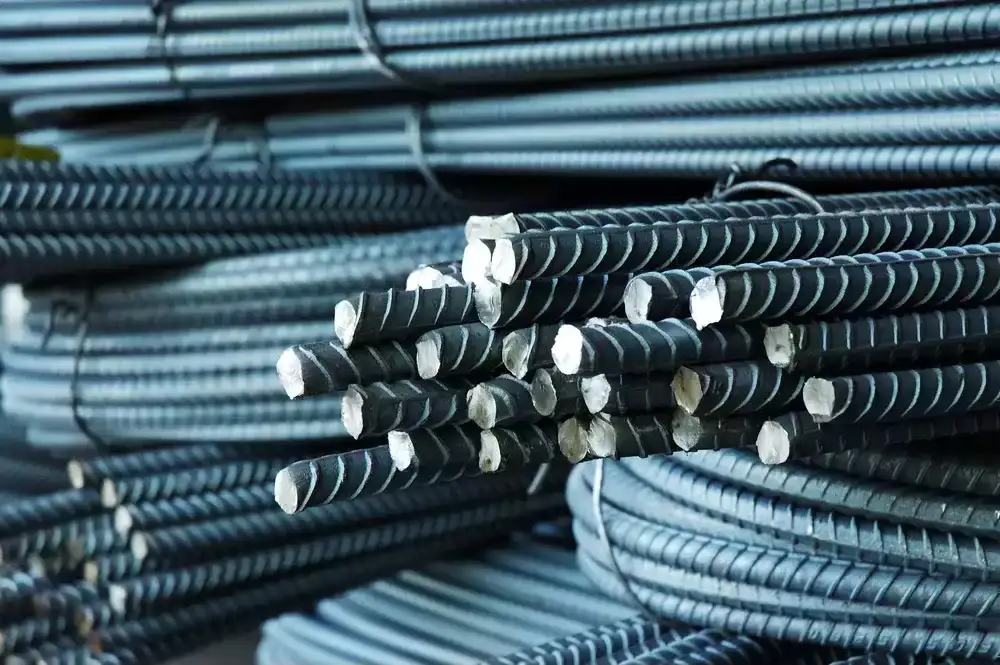
Product quality plays a major role in construction, manufacturing, engineering, and fabrication. Businesses depend on aluminium materials that meet their required specifications, perform consistently, and support long-term project requirements. Poor-quality materials can lead to production delays, unnecessary waste, and higher operating costs.
A reliable Aluminium Supplier Singapore follows a structured process to maintain product quality, from sourcing materials to preparing orders for delivery. Suppliers must understand customer requirements, verify material specifications, and handle products carefully throughout the supply chain.
Quality assurance also helps businesses select materials that suit their applications. Whether a company needs aluminium plates for fabrication or sheets for industrial components, the supplier should provide accurate product information and consistent service.
By working with a dependable supplier, businesses can improve purchasing decisions, reduce material-related problems, and maintain smoother operations.
How Do Suppliers Source Aluminium From Reliable Manufacturers?
Product quality begins with the source of the material. Aluminium suppliers should work with manufacturers and distributors that can provide consistent products and clear technical specifications.
Reliable sourcing helps suppliers maintain control over material grades, dimensions, and product characteristics. It also allows them to respond more effectively when customers require specific aluminium types for construction or manufacturing projects.
Before establishing a supply relationship, businesses should consider whether the supplier can explain where its materials come from and provide relevant product documentation when required. Depending on the application, customers may need material certificates, test reports, or other records that confirm compliance with project specifications.
Suppliers should also review the consistency of incoming materials. Establishing clear purchasing requirements helps reduce the risk of receiving products that differ from the customer’s expectations.
When a supplier maintains strong sourcing practices, it creates a better foundation for consistent product quality.
What Quality Checks Help Maintain Aluminium Standards?
Suppliers can use several inspection procedures to confirm that aluminium products meet order requirements. These checks may take place when materials arrive, during storage, and before dispatch.
Common quality checks include:
- Dimensional inspection: Measuring thickness, length, and width to confirm that products match the agreed specifications.
- Visual inspection: Checking for visible scratches, dents, corrosion, or other surface imperfections.
- Quantity verification: Confirming that the order contains the correct number of sheets, plates, bars, or other products.
- Documentation review: Comparing product labels and available material records with the purchase order.
- Specification checks: Verifying the stated alloy grade and other relevant technical details against the required documentation.
The inspection process should reflect the type of aluminium product and its intended use. Some applications may require additional testing or independent verification.
A professional Aluminium Supplier Singapore should communicate the scope of its quality checks honestly. Customers should clarify any special inspection requirements before confirming an order.
How Does Aluminium Sheet Singapore Quality Affect Industrial Projects?
Aluminium sheets serve many purposes across construction, transportation, manufacturing, interior design, and industrial fabrication. Their performance depends on several factors, including thickness, alloy composition, surface condition, and dimensional accuracy.
When sourcing aluminium sheet singapore, businesses should confirm that the material meets their project specifications. A sheet that has the wrong thickness or grade may create fabrication difficulties or fail to meet the intended performance requirements.
For example, manufacturers may need sheets with consistent dimensions for cutting and forming operations. Construction projects may require specific grades and thicknesses for particular components. Decorative applications may place greater emphasis on surface appearance and finish.
Suppliers should provide clear product descriptions and help customers identify the available options. Buyers should also confirm whether the requested dimensions are in stock or require additional processing.
Selecting the right aluminium sheet from the beginning can reduce offcuts, simplify fabrication, and help businesses control material costs.
Why Do Aluminium Grades and Specifications Matter?
Not all aluminium products have the same properties. Different alloys offer different combinations of strength, corrosion resistance, formability, and machinability. Choosing the wrong grade can affect the performance and suitability of a finished product.
A dependable supplier should identify the available grades accurately and provide relevant information about their properties. Customers should explain the intended application, operating environment, and technical requirements before placing an order.
For example, an application that requires extensive forming may need a different aluminium grade from one that prioritises strength. Similarly, outdoor installations may require careful consideration of corrosion resistance and environmental exposure.
Businesses should avoid choosing materials based on appearance or price alone. They should consult their engineers, designers, or technical teams when an application requires specific performance characteristics.
Clear communication between the buyer and supplier helps ensure that the selected aluminium matches the project’s actual needs.
How Do Storage and Handling Protect Aluminium Quality?
Even high-quality aluminium can suffer damage if suppliers store or handle it incorrectly. Scratches, dents, contamination, and moisture-related issues can affect product appearance and create problems during fabrication.
Suppliers should organise their storage areas to protect materials from unnecessary damage. Appropriate racks, protective packaging, and safe handling equipment can help prevent sheets and other aluminium products from bending or developing surface marks.
Staff should also follow suitable lifting and transportation procedures. Large sheets and plates require careful movement to avoid deformation and accidental damage.
Before dispatch, the supplier should inspect the order and use packaging appropriate for the product type and delivery conditions. Clear product labels can also help customers identify materials when they arrive.
Businesses can support this process by explaining their packaging and transportation requirements in advance, particularly when materials have delicate finishes or require precise dimensions.
What Role Does Documentation Play in Product Quality?
Accurate documentation helps suppliers and customers verify that the delivered materials match the agreed requirements. It also creates a useful record for inventory management, quality control, and future purchasing.
Depending on the product and application, relevant records may include purchase orders, delivery notes, product specifications, material certificates, and inspection reports.
Suppliers should keep product descriptions and order details consistent across quotations, invoices, and delivery documents. This reduces confusion and helps customers identify discrepancies before materials enter production.
For projects with strict technical requirements, buyers should state their documentation needs when requesting a quotation. They should not assume that every supplier automatically provides the same certificates or testing records.
Kian Huat Metal Pte Ltd is one business customers may research when exploring metal supply options in Singapore. Before ordering, buyers should confirm the company’s current product range, available specifications, and applicable documentation for their particular requirements.
How Can Businesses Evaluate an Aluminium Supplier’s Quality Process?
Businesses can assess a supplier by asking specific questions before making a purchasing decision. A clear evaluation process helps them distinguish between suppliers that simply offer materials and those that can support their quality requirements.
Consider these practical steps:
- Request product specifications: Confirm alloy grades, thicknesses, dimensions, and other essential details.
- Ask about inspections: Find out how the supplier checks incoming materials and prepares orders for dispatch.
- Verify documentation: Determine whether the supplier can provide the records required for your project.
- Review delivery procedures: Ask how the supplier protects materials during storage, packaging, and transportation.
- Clarify special requirements: Discuss testing, cutting tolerances, or other specifications before confirming the order.
- Inspect deliveries: Check the received products against the purchase order and report discrepancies promptly.
These steps help businesses establish clear expectations and reduce the likelihood of receiving unsuitable materials.
Conclusion: How Can You Choose a Supplier That Maintains Aluminium Quality?
Aluminium suppliers in Singapore can maintain product quality through reliable sourcing, accurate inspections, correct material identification, careful storage, and proper documentation. Each step helps ensure that products match customer specifications and arrive in suitable condition.
When choosing an Aluminium Supplier Singapore, businesses should evaluate the supplier’s quality procedures alongside its pricing, product range, and delivery capabilities. Companies sourcing aluminium sheet singapore should pay particular attention to dimensions, alloy grades, and surface condition.
Kian Huat Metal Pte Ltd can be included in your supplier research when comparing metal supply options. Always verify the relevant product details and quality requirements before placing an order.
A careful selection process helps businesses reduce material waste, maintain consistent production standards, and build stronger supplier relationships over time.





recent post

Are Dental Onlays a Suitable Solution for Cracked Teeth?
October 29, 2026

Where Is Hot in January? Discover the Sunshine of Tenerife
October 29, 2026
CONTACT US

Category
MUST READ


Popular Posts