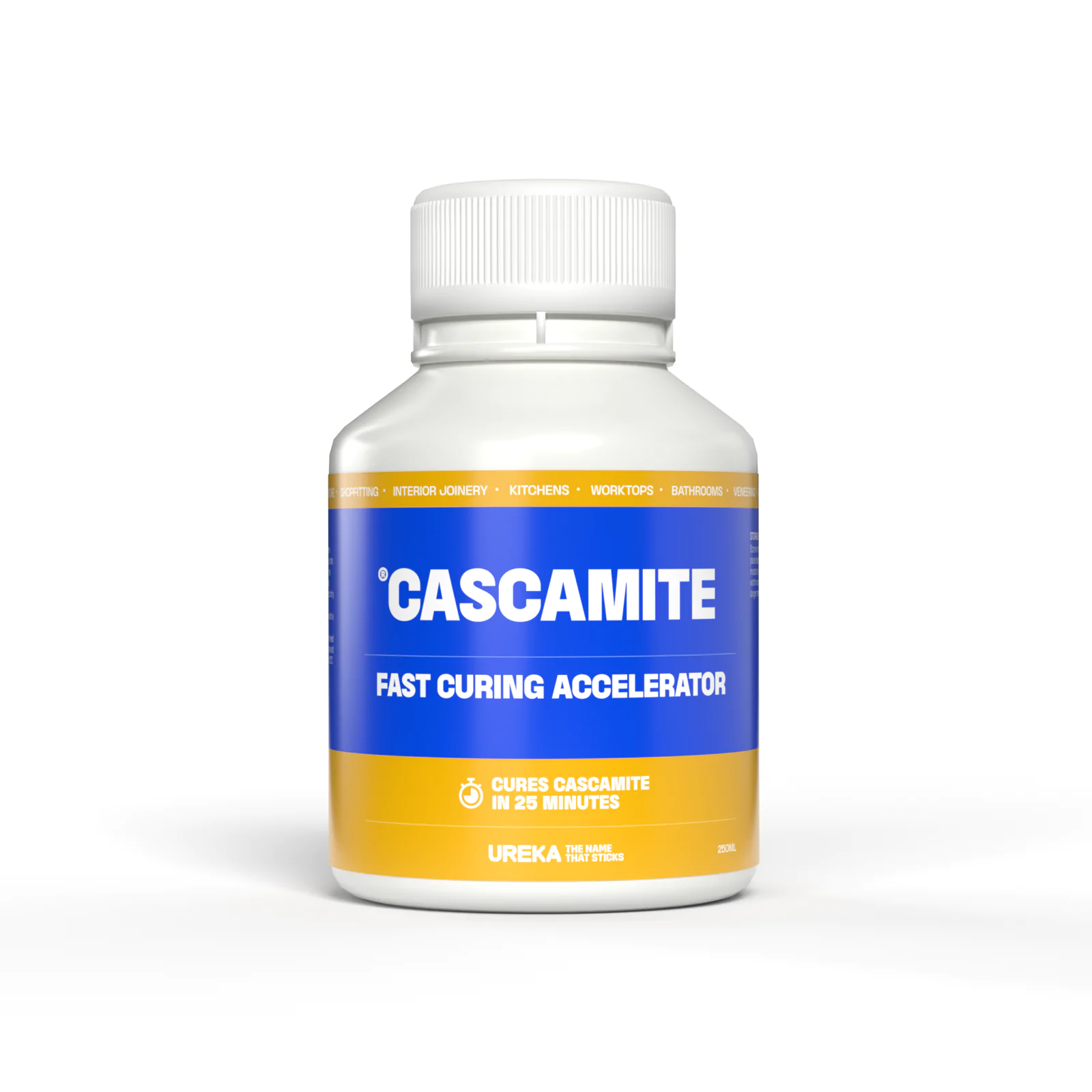
Choosing the right adhesive can make a major difference in the strength, appearance, and durability of a construction or DIY project. Different materials require different bonding properties, and using a product that is not designed for the surface can result in weak joints, cracking, or premature failure. Two common applications where adhesive selection matters are plastic bonding and brick slip installation.
Whether you are working on a home improvement project, interior feature wall, commercial installation, or manufacturing application, understanding how adhesives work can help you achieve a cleaner and more reliable finish.
Understanding Plastic Bonding Requirements
Plastic is used in countless products and construction applications because it is lightweight, versatile, and available in many forms. However, not every plastic surface is easy to bond. Some plastics have smooth or low-energy surfaces, which can make it difficult for ordinary adhesives to achieve a strong grip.
A suitable plastic adhesive is formulated to create a dependable bond between compatible plastic surfaces or between plastic and other materials. Depending on the application, the adhesive may need to provide flexibility, impact resistance, moisture resistance, or long-term durability.
Before selecting an adhesive, it is important to identify the type of plastic involved. PVC, ABS, acrylic, polycarbonate, polyethylene, and polypropylene can have different bonding requirements. The condition of the surface also matters. Dust, grease, moisture, and contaminants can reduce adhesion and affect the final result.
Preparing Plastic Surfaces Correctly
Good surface preparation is one of the most important parts of any bonding job. Even a high-performance adhesive may struggle if the surfaces are dirty or improperly prepared.
Start by cleaning the surfaces to remove dust, grease, oil, and other contaminants. Allow them to dry completely before applying the adhesive. Depending on the plastic and adhesive system, light abrasion may also help improve the mechanical grip.
Apply the adhesive according to the manufacturer’s instructions. Avoid using excessive amounts, as more adhesive does not necessarily mean a stronger bond. The correct quantity helps provide better contact and can also reduce unnecessary mess.
Allow sufficient curing time before putting stress on the bonded area. Temperature, humidity, surface condition, and adhesive formulation can all influence curing performance.
Why Brick Slip Installation Needs the Right Adhesive
Brick slips provide an effective way to achieve the appearance of traditional brickwork without using full-size bricks. They are commonly used for feature walls, fireplaces, renovations, commercial interiors, and exterior applications where an authentic brick finish is desired.
Because brick slips need to remain securely attached to the underlying surface, choosing a suitable brick slip adhesive is essential. The adhesive needs to provide reliable adhesion while accommodating the conditions of the installation.
The substrate can vary considerably. Brick slips may be installed onto suitable masonry, concrete, plasterboard systems, cement boards, or other prepared surfaces. The adhesive should therefore be selected according to both the brick slip material and the substrate.
Factors to Consider Before Buying Adhesive
There is no single adhesive that is ideal for every application. Several factors should be considered before making a purchase.
Surface compatibility: Check whether the adhesive is suitable for both materials being joined.
Indoor or outdoor use: Exterior projects may require better resistance to rain, temperature changes, and environmental exposure.
Flexibility: Some installations experience movement caused by vibration, expansion, or contraction. A flexible adhesive may be more appropriate in such situations.
Curing time: Consider how quickly the bonded surface needs to become stable and ready for use.
Application method: Adhesives can be supplied in cartridges, tubes, tubs, or other formats. Choose a product that works conveniently with your installation method.
Final appearance: For visible installations, the adhesive should allow accurate positioning and produce a neat finish.
Creating a Reliable Brick Slip Finish
Installing brick slips successfully involves more than simply applying adhesive to the back of each piece. The substrate should be stable, clean, dry, and appropriately prepared. Uneven surfaces may need correction before installation begins.
Plan the layout before applying adhesive. This can help maintain consistent spacing and reduce unnecessary cutting. Work in manageable sections so the adhesive does not begin curing before the brick slips are positioned.
Press each slip firmly into place while maintaining the desired alignment. Follow the manufacturer’s recommendations for adhesive coverage, open time, curing, and jointing. Rushing these stages can affect both the appearance and durability of the finished wall.
Adhesive Quality and Long-Term Performance
A quality adhesive should provide more than an initial strong bond. Long-term performance is equally important. The bonded area may experience temperature fluctuations, moisture, vibration, impact, or regular handling depending on where it is used.
For plastic components, selecting an adhesive compatible with the exact plastic type can prevent future bonding problems. For brick slip projects, choosing a system appropriate for the substrate and installation environment can help create a durable finish.
It is also worth checking technical information before purchasing. Product data sheets can provide useful details about recommended surfaces, application temperatures, curing times, coverage, and limitations.
Making the Right Choice for Your Project
Adhesive selection should always begin with the materials, environment, and expected performance of the finished project. Plastic components may require a specialized formulation designed for difficult-to-bond surfaces, while brick slip installations require a product capable of securely connecting the slips with the prepared substrate.
Taking time to prepare surfaces, follow application instructions, and allow the adhesive to cure properly can significantly improve the final result. Rather than choosing an adhesive based only on price, consider compatibility, durability, application requirements, and the conditions the bond will experience.
With the right product and careful preparation, adhesive bonding can provide a clean, strong, and professional finish across a wide range of projects. Whether you are joining plastic components or creating an attractive brick-effect surface, selecting an adhesive specifically suited to the job is an important step toward dependable long-term results.


recent post

What Design Options Are Available for an L Shaped Dormer Loft Conversion?
September 29, 2026

Why Should You Take the AWS Machine Learning Certification Exam?
September 29, 2026

What Should You Consider Before Paying for Invisalign in Miami?
September 29, 2026

คุณสามารถพบเฟอร์นิเจอร์ประเภทใดได้บ้างในร้านขายเฟอร์นิเจอร์?
September 29, 2026

What Should You Look for in a Professional Dementia Care Home Builder?
September 29, 2026
CONTACT US

Category
MUST READ
Popular Posts