What Should You Look for in a Professional Dementia Care Home Builder?
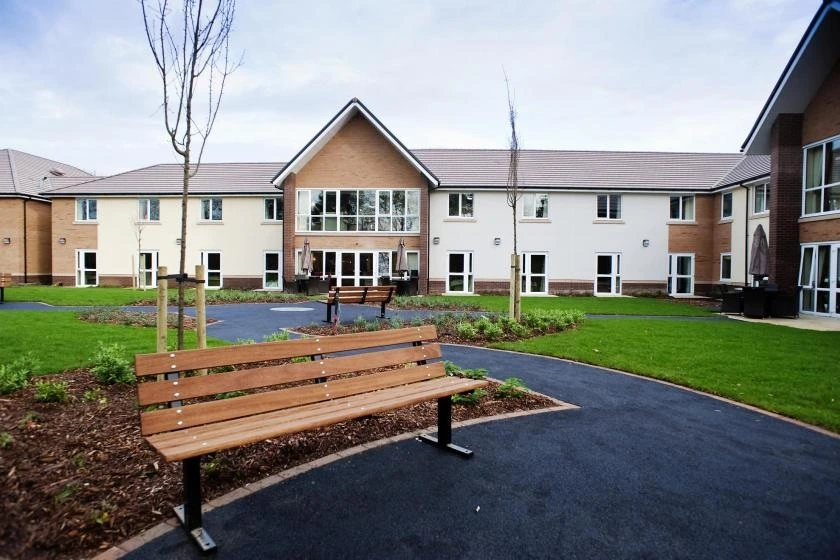
Choosing the right dementia care home builder is an important decision because dementia-friendly environments require more than attractive interiors and standard construction. They need thoughtful layouts, safe movement routes, comfortable spaces, and features that support residents with changing cognitive and physical needs.
An experienced builder understands these requirements from the planning stage. They consider how residents move through the building, how staff supervise different areas, and how the environment can reduce confusion. They also understand the importance of natural light, clear visibility, appropriate acoustics, secure outdoor areas, and accessible facilities.
A professional approach can help create a care setting that feels welcoming rather than institutional. The builder should also communicate clearly with care providers, architects, designers, and project managers throughout the development.
Why Is Dementia-Friendly Design Important?
Dementia can affect memory, orientation, perception, and the ability to process information. Therefore, the physical environment can have a meaningful role in everyday comfort and independence.
A skilled dementia care home builder should know how to incorporate design principles that make spaces easier to understand. Simple circulation routes, visible landmarks, contrasting colours, good lighting, and recognisable communal areas can help residents navigate their surroundings.
The builder should also consider potential hazards. Secure entrances, appropriate flooring, accessible bathrooms, handrails, and carefully designed stairways can support safer movement.
Good design does not mean restricting residents unnecessarily. Instead, it should balance safety with dignity and independence. This approach can create an environment where residents feel more confident moving around and using communal spaces.
How Should a Builder Approach Care Home Refurbishment?
Existing care homes often need improvements without completely disrupting daily operations. This makes care home refurbishment a specialist task that requires careful planning and communication.
A professional builder should begin by assessing the existing building. They can identify outdated facilities, inefficient layouts, accessibility concerns, worn finishes, and areas that could benefit from improved lighting or ventilation.
The refurbishment plan should then establish clear priorities. Some projects may focus on bedrooms and bathrooms, while others may involve communal lounges, dining areas, gardens, reception spaces, or staff facilities.
Phased construction can be particularly useful in an occupied care home. A builder should coordinate work carefully to minimise disruption to residents and staff. They should also maintain appropriate safety procedures around construction areas and communicate schedules clearly.
What Safety Features Should You Expect?
Safety should remain a central consideration in dementia care environments. However, safety features should work naturally with the overall design rather than making the building feel restrictive.
Look for builders who understand features such as:
- Accessible bathrooms and washrooms
- Non-slip flooring
- Suitable handrails and support points
- Well-lit corridors
- Clear circulation routes
- Safe external spaces
- Appropriate door and window arrangements
- Secure access where required
- Easy-to-identify communal areas
- Reduced trip hazards
The builder should also work closely with relevant professionals to ensure the completed project meets applicable building, accessibility, fire safety, and care requirements.
How Important Are Lighting and Acoustics?
Lighting and acoustics can strongly influence how comfortable a care environment feels. Poor lighting can create shadows and glare, while excessive background noise can make communication more difficult.
A knowledgeable builder should work with the design team to create spaces with balanced natural and artificial lighting. Large windows, suitable artificial lighting, and careful positioning of fixtures can help create brighter and more comfortable interiors.
Acoustic planning is equally valuable. Communal rooms, dining areas, corridors, and bedrooms should be designed with appropriate sound control. Reducing unnecessary noise can create a calmer environment for residents and make communication easier for staff.
Should the Builder Understand Accessibility?
Yes. Accessibility should be integrated into the project from the beginning rather than added as an afterthought.
A professional builder should understand how residents with different mobility levels may use the building. Door widths, corridor dimensions, bathroom layouts, ramps, lifts, flooring, and handrails all require careful consideration.
Accessibility also extends to outdoor spaces. Gardens and courtyards can provide valuable opportunities for fresh air and social interaction, so pathways should be practical and easy to navigate.
During care home refurbishment, an experienced builder can also identify opportunities to improve accessibility within the existing structure without unnecessarily changing the character of the facility.
How Can You Assess a Builder’s Previous Work?
Previous experience provides useful insight when selecting a construction partner. Ask potential builders about completed care projects and request relevant examples where possible.
Look at the quality of their previous work, attention to detail, project organisation, and ability to work within operational care environments. You can also ask about their experience with refurbishment projects, extensions, new-build care facilities, and complex renovation programmes.
A professional company should be comfortable explaining its construction process. It should also demonstrate how it manages communication, scheduling, safety, quality control, and unexpected challenges.
For example, Care Home Builders should be able to demonstrate a structured approach that connects design requirements with practical construction outcomes.
What Should You Ask About Project Management?
Strong project management can make a major difference to the success of a care home development or refurbishment.
Before choosing a builder, ask who will manage the project and who will be your main point of contact. Find out how the team handles progress updates, variations, delays, subcontractors, inspections, and quality checks.
You should also ask how the builder coordinates with architects, consultants, suppliers, and care operators. Clear communication helps prevent misunderstandings and keeps everyone aligned with the project’s objectives.
A transparent approach to costs is equally important. Request a detailed quotation and make sure you understand what it includes, along with any assumptions or exclusions.
Why Should Quality Materials Matter?
Materials influence the appearance, durability, safety, and maintenance requirements of a care home. A professional builder should recommend materials that can withstand regular use while remaining comfortable and visually appealing.
Flooring, wall finishes, doors, fittings, bathroom products, and furniture should all suit the demands of a busy care environment. Easy-to-clean and durable surfaces can support efficient maintenance, while warm textures and welcoming finishes can create a more residential atmosphere.
The best material choices should balance durability, practicality, accessibility, aesthetics, and long-term maintenance.
How Can the Right Builder Support Long-Term Care?
A care home is a long-term environment, so construction decisions should consider future needs. A good builder can help create flexible spaces that adapt as resident requirements change.
This may include designing rooms that can serve multiple purposes, allowing for future accessibility improvements, or planning services that make future upgrades easier.
Whether you are developing a new facility or planning care home refurbishment, choosing an experienced construction partner can help you create a safer, more practical, and welcoming environment.
Care Home Builders can play an important role in turning specialist care requirements into a functional physical environment. By assessing experience, dementia-friendly design knowledge, safety practices, accessibility, project management, material quality, and refurbishment expertise, you can make a well-informed decision based on your project’s specific needs.




recent post

Why Should You Choose Professional Dryer Repair Orlando Services?
September 30, 2026
How Can Washing Machine Repair in Columbia Fix Common Appliance Problems?
September 30, 2026

Cyber Crime Lawyer in Delhi and Mumbai: Legal Support for Digital Offences
September 30, 2026
CONTACT US

Category
MUST READ


Popular Posts