Electric Forklift and Heavy Equipment Rental: Smart Solutions for Modern Material Handling

In today’s fast-paced industrial and construction industries, businesses need reliable equipment to maintain productivity, reduce operational costs, and complete projects on time. Whether managing a warehouse, construction site, manufacturing facility, or logistics operation, choosing the right machinery plays an important role in overall efficiency. Two solutions that are becoming increasingly popular among businesses are Electric Forklift technology and Heavy Equipment Rental services.
Both options offer practical advantages, helping businesses improve workplace productivity while managing their equipment investments more effectively. Let’s explore how these solutions can benefit modern businesses.
Understanding the Importance of an Electric Forklift
An Electric Forklift is a material-handling vehicle powered by rechargeable batteries rather than traditional diesel or petrol engines. It is widely used in warehouses, factories, distribution centers, and other indoor environments where efficient and quiet operations are essential.
One of the biggest advantages of electric forklifts is their environmentally friendly operation. Since they do not produce exhaust emissions during use, they help maintain better indoor air quality. This makes them particularly suitable for businesses that prioritize workplace safety and environmental responsibility.
Electric forklifts also operate with significantly less noise compared to conventional fuel-powered alternatives. Reduced noise levels create a more comfortable working environment for employees, especially in facilities where equipment operates throughout the day.
Key Benefits of Using Electric Forklifts
Businesses across different industries are increasingly choosing electric forklifts because of their operational advantages.
1. Lower Operating Costs
Electric forklifts generally have fewer moving parts than internal combustion forklifts. This can reduce routine maintenance requirements and associated servicing expenses. Additionally, electricity can be more economical than conventional fuels, depending on local energy prices and usage patterns.
2. Environmentally Friendly Operations
With zero tailpipe emissions, electric forklifts are an excellent choice for indoor material handling. They support cleaner working environments and help businesses work toward sustainability goals.
3. Quiet Performance
Noise reduction is another important advantage. Electric forklifts operate quietly, making them suitable for warehouses, retail distribution facilities, and manufacturing units.
4. Improved Productivity
Modern electric forklifts offer responsive controls, smooth handling, and efficient performance. These features help operators move materials safely and complete handling tasks with greater precision.
5. Space-Efficient Operation
Many electric forklift models are designed with compact dimensions and excellent maneuverability. This makes them useful in narrow aisles, crowded storage areas, and facilities where space is limited.
What Is Heavy Equipment Rental?
Purchasing heavy machinery requires a significant financial investment. For businesses that need specialized equipment for short-term or project-based requirements, Heavy Equipment Rental offers a flexible and cost-effective alternative.
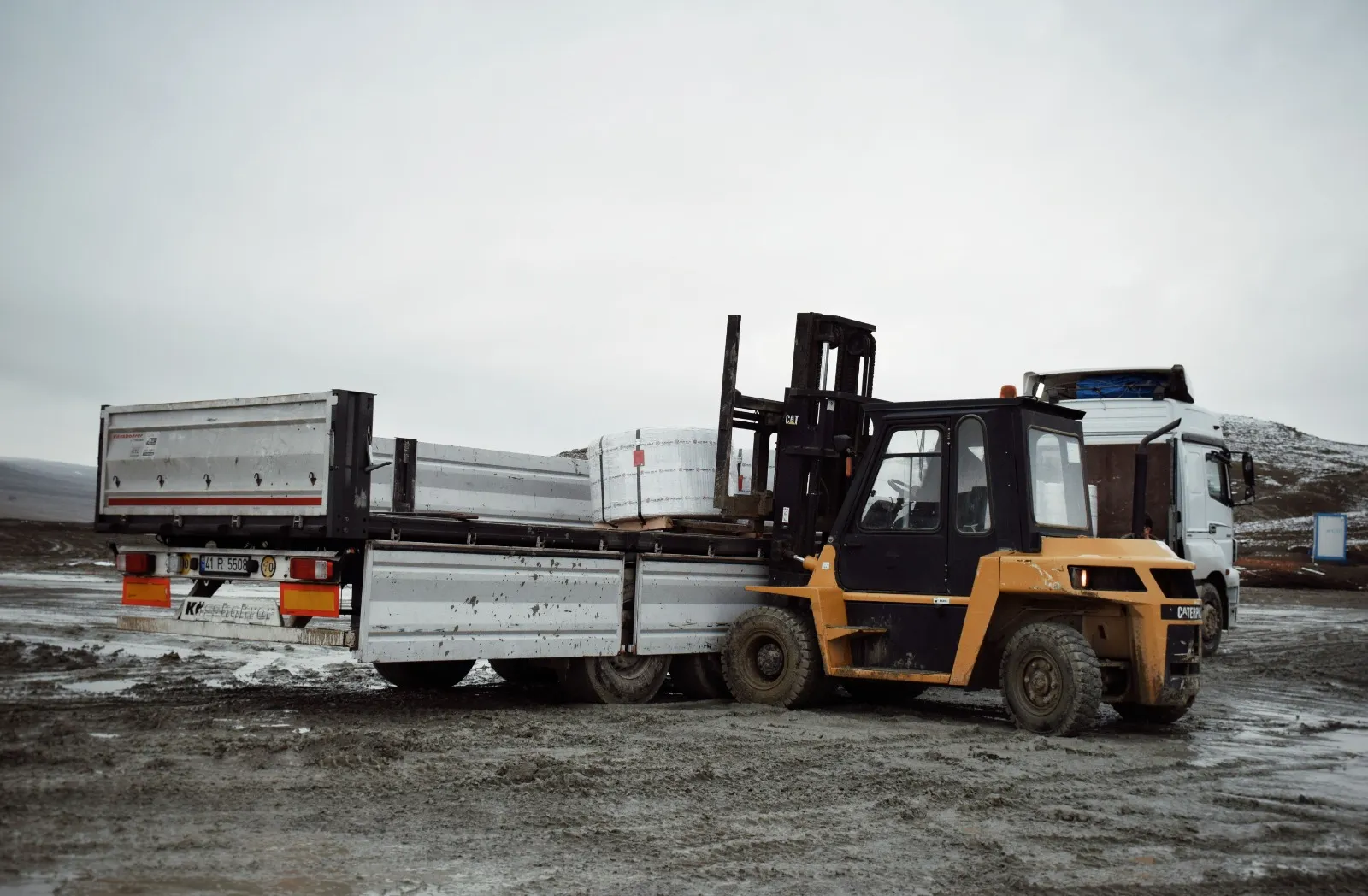
Heavy equipment rental allows companies to access machinery for a specific period without purchasing and maintaining the equipment themselves. Depending on the rental provider, available machinery may include excavators, loaders, cranes, bulldozers, forklifts, telehandlers, and other industrial equipment.
This approach is particularly beneficial for construction companies, infrastructure developers, manufacturing businesses, and contractors who need different types of machinery at different project stages.
Major Advantages of Heavy Equipment Rental
1. Reduced Initial Investment
Buying heavy machinery can put considerable pressure on business finances. Renting equipment eliminates the need for large upfront purchases, allowing businesses to allocate their capital toward other important operations.
2. Access to Modern Machinery
Professional rental providers often maintain a range of equipment models. Businesses can access suitable machinery with modern features without committing to long-term ownership.
3. Flexible Rental Periods
Every project has different equipment requirements. Heavy equipment rental offers flexibility, allowing businesses to rent machinery for short-term assignments, seasonal requirements, or longer projects.
4. Reduced Maintenance Responsibilities
Depending on the rental agreement, maintenance and servicing may be handled by the equipment provider. This can reduce the administrative and operational burden on businesses.
5. Improved Project Efficiency
Having access to the right machinery at the right time helps businesses avoid unnecessary delays. Rental solutions also make it easier to arrange specialized equipment when project requirements change.
How Electric Forklifts and Heavy Equipment Rental Work Together
Combining electric forklift solutions with heavy equipment rental can help businesses build a more efficient material-handling strategy.
For example, a construction company may require excavators and wheel loaders for outdoor operations while using electric forklifts to transport building materials, tools, and supplies within its warehouse or indoor storage facility.
Similarly, manufacturing businesses can use electric forklifts for daily material movement while renting additional heavy machinery during facility expansions or major infrastructure projects.
This combination provides operational flexibility while helping businesses avoid unnecessary equipment ownership costs.
Factors to Consider Before Choosing Equipment
Before investing in an electric forklift or selecting a heavy equipment rental provider, businesses should evaluate several important factors:
- Project Requirements: Understand the type of work, lifting capacity, and equipment specifications required.
- Working Environment: Consider whether the machinery will operate indoors, outdoors, or on uneven surfaces.
- Equipment Condition: Check maintenance records, safety features, and overall equipment performance.
- Rental Costs: Compare rental rates, transportation charges, deposits, and additional service fees.
- Operator Training: Ensure operators have the appropriate training and authorization to operate the machinery safely.
- After-Sales Support: Choose a reliable provider offering technical assistance and timely maintenance support.
Making informed decisions can help businesses maximize equipment performance and avoid unexpected operational challenges.
Conclusion
Modern businesses need flexible and efficient equipment solutions to remain competitive. An Electric Forklift provides a cleaner, quieter, and cost-effective approach to indoor material handling, while Heavy Equipment Rental offers access to essential machinery without the financial commitment of purchasing equipment.
By choosing the right equipment and working with a dependable rental provider, businesses can improve productivity, control operational expenses, and complete projects more efficiently.
Whether you operate a warehouse, manufacturing facility, or construction business, investing in the right material-handling and equipment rental solutions can make a significant difference in your long-term operational success.


recent post
CONTACT US

Category
MUST READ


Popular Posts