Greenhouse Developers in the World & Rooftop Garden Developers in the World: Shaping a Sustainable Future
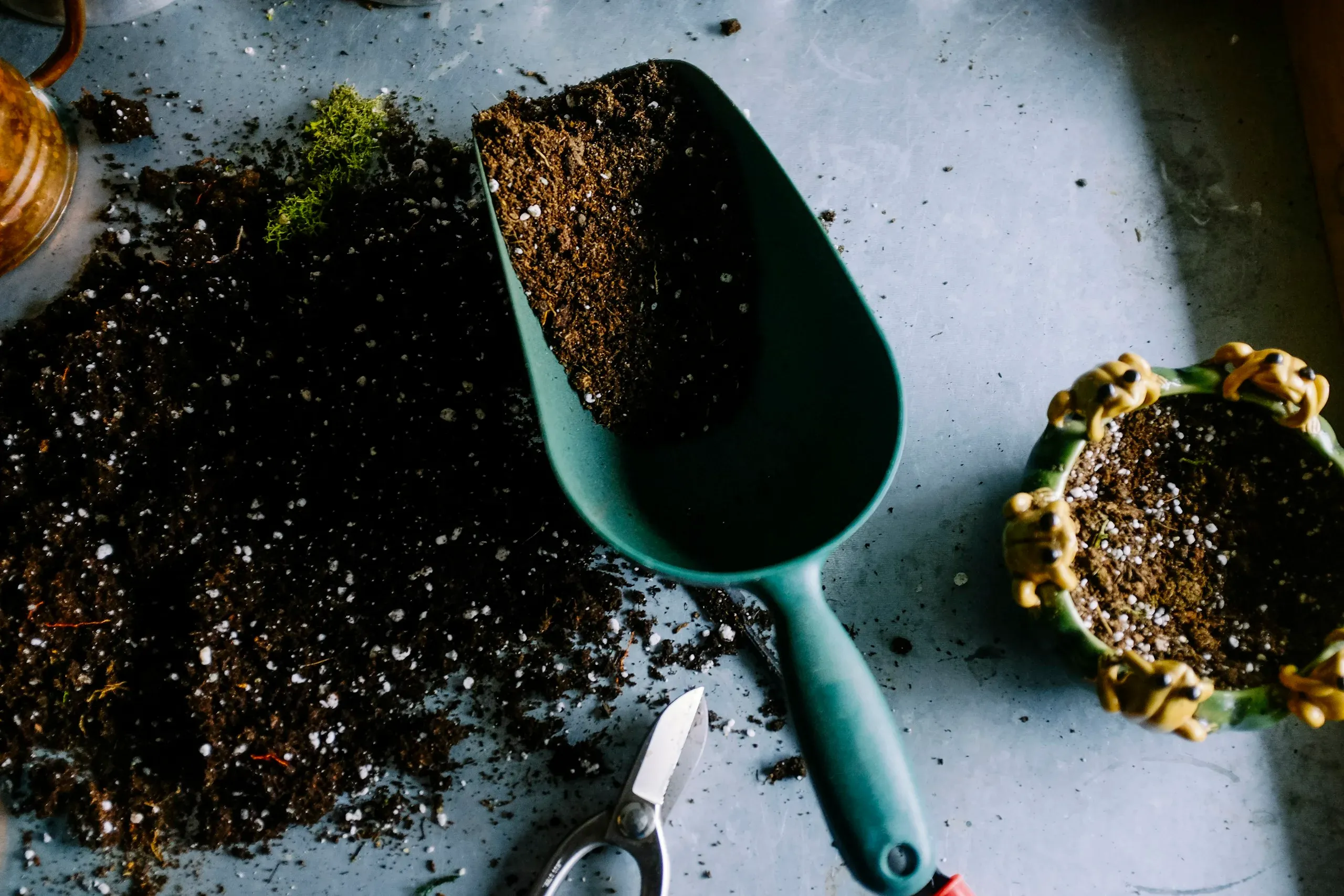
As cities expand and environmental challenges become more pressing, sustainable architecture and green infrastructure are becoming essential components of modern urban development. Greenhouses and rooftop gardens are transforming how people grow food, utilize available space, improve air quality, and create healthier environments. From commercial greenhouse facilities to innovative rooftop landscapes, developers worldwide are introducing solutions that combine technology, nature, and architectural excellence.
Greenhouse Developers in the World and Rooftop Garden Developers in the World are playing an increasingly important role in building sustainable communities. Their projects demonstrate how innovative design can maximize limited space, support urban agriculture, and contribute to a greener future.
Understanding the Role of Greenhouse Developers in the World
Greenhouse development has evolved significantly beyond traditional farming structures. Modern greenhouses use advanced technologies to create controlled environments that support plant growth throughout the year. These facilities can regulate temperature, humidity, lighting, irrigation, and ventilation to improve productivity and resource efficiency.
Greenhouse developers design and construct facilities for commercial agriculture, research institutions, educational organizations, and urban farming businesses. Their projects range from small-scale growing spaces to large commercial greenhouses equipped with automated climate-control systems.
Leading greenhouse technology and development companies operate across countries such as the Netherlands, the United States, Canada, Japan, and Australia. The Netherlands, in particular, is internationally recognized for its advanced greenhouse horticulture, efficient production systems, and innovative agricultural technologies.
Companies such as Van der Hoeven Horticultural Projects, KUBO, and Dalsem specialize in greenhouse projects and controlled-environment growing solutions. Their work demonstrates how engineering, automation, and agricultural expertise can help growers improve productivity while managing resources more effectively.
Key Technologies Used by Greenhouse Developers
Modern greenhouse developers increasingly incorporate advanced technologies, including:
- Automated climate control: Systems that regulate temperature, humidity, and ventilation.
- Hydroponics and advanced irrigation: Growing methods that can reduce water consumption when properly designed and managed.
- Energy-efficient systems: Solutions such as thermal screens, efficient heating, and renewable energy integration.
- Smart monitoring: Sensors and software that help growers monitor plant health and environmental conditions.
- Sustainable materials: Construction materials selected for durability, insulation, and reduced environmental impact.
These innovations make greenhouses an important option for improving agricultural resilience, particularly in regions facing water shortages, extreme weather, or limited arable land.
Rooftop Garden Developers in the World: Transforming Urban Spaces
As urban populations grow, cities are searching for creative ways to introduce nature into densely developed environments. Rooftop gardens offer an effective opportunity to transform unused rooftops into green spaces that support biodiversity, improve the urban experience, and contribute to environmental sustainability.
Rooftop Garden Developers in the World specialize in designing and creating green roofs, rooftop landscapes, urban vegetable gardens, recreational terraces, and nature-inspired commercial spaces. Their work combines landscape architecture, structural engineering, irrigation planning, waterproofing, and horticultural expertise.
Rooftop gardens can be developed on residential buildings, hotels, shopping centers, offices, hospitals, and educational institutions. Depending on their design, they can provide recreational areas, community gardens, pollinator habitats, and spaces for growing fresh produce.
International examples demonstrate the potential of this approach. Singapore has become well known for integrating greenery into its urban architecture. Projects such as Gardens by the Bay showcase the city’s commitment to combining landscape design with innovative urban planning. In the United States, rooftop landscapes such as the Brooklyn Grange urban farms in New York demonstrate how rooftops can support productive agriculture.
These projects illustrate how rooftops can become valuable urban assets rather than remaining underutilized spaces.
Benefits of Rooftop Garden Development
Rooftop gardens provide several environmental and practical benefits:
- Improved urban greenery: Green roofs introduce vegetation into areas with limited ground-level open space.
- Reduced heat absorption: Suitable green roof systems can help reduce heat transfer into buildings and mitigate localized urban heat.
- Better stormwater management: Growing media and vegetation can retain and slow the release of rainfall.
- Enhanced building aesthetics: Landscaped rooftops create attractive environments for residents, employees, and visitors.
- Urban food production: Productive rooftop gardens can support the cultivation of herbs, vegetables, and other crops.
- Biodiversity support: Carefully selected plants can provide habitats and food sources for pollinators and other urban wildlife.
Successful rooftop garden development requires careful planning. Developers must evaluate roof load capacity, waterproofing, drainage, wind exposure, irrigation requirements, plant selection, and long-term maintenance before construction begins.
How Greenhouse and Rooftop Garden Developers Complement Each Other
Although greenhouse development and rooftop landscaping serve different purposes, they share a common objective: making better use of available space while supporting sustainable environments.
Greenhouses provide controlled conditions for growing crops, while rooftop gardens can integrate vegetation, recreation, and food production into existing buildings. Combining these approaches can create new opportunities for urban agriculture, commercial property development, and environmentally responsible construction.
For example, a commercial building might incorporate a rooftop garden for employees alongside a dedicated greenhouse for cultivating vegetables and herbs. Residential communities can also integrate shared gardens with efficient irrigation and composting systems.
However, the success of these projects depends on local climate, structural requirements, operational costs, and the availability of suitable resources. Developers must tailor each project to its location rather than applying a single design everywhere.
Choosing the Right Greenhouse or Rooftop Garden Developer
Selecting an experienced developer is essential for achieving long-term performance and value. Before choosing a company, property owners and businesses should evaluate several factors.
First, review the developer’s portfolio and experience with projects of a similar size and purpose. Second, examine its technical expertise in irrigation, drainage, structural coordination, and energy-efficient design. Third, understand the proposed budget, construction timeline, maintenance requirements, and expected operating costs.
It is also important to assess the developer’s commitment to sustainability. Water-efficient irrigation, climate-appropriate plant selection, durable materials, and responsible resource management can significantly influence a project’s long-term success.
Working with architects, engineers, horticultural specialists, and sustainability consultants can further improve the quality and reliability of the final development.
Future Trends in Greenhouse and Rooftop Garden Development
The future of green infrastructure will increasingly involve smart technologies, resource-efficient construction, and integrated urban planning. Artificial intelligence, automated irrigation, renewable energy, and data-driven crop monitoring are expected to influence greenhouse operations.
Meanwhile, rooftop garden developers are exploring lightweight growing systems, native plant landscapes, biodiversity-focused designs, and multifunctional green roofs. Cities are also increasingly recognizing the value of green infrastructure in climate adaptation and urban resilience.
As these trends continue, collaboration between agricultural technology providers, landscape architects, real estate developers, and urban planners will become increasingly important.
Conclusion
Greenhouses and rooftop gardens represent valuable opportunities to create more sustainable, productive, and livable environments. Greenhouse Developers in the World are advancing controlled-environment agriculture through innovative engineering and modern growing technologies, while Rooftop Garden Developers in the World are transforming underutilized urban spaces into attractive and environmentally beneficial landscapes.
Together, these industries are helping redefine how buildings, agriculture, and nature can coexist. By investing in thoughtful design, efficient resource management, and experienced development partners, businesses and communities can contribute to a greener future while creating spaces that deliver lasting environmental and practical benefits.



recent post

Chitram and Chitram TV: Exploring the World of Entertainment
October 22, 2026
Discover Your Dream Property: Mont Tremblant Real Estate for Sale
October 22, 2026
CONTACT US
Category
MUST READ

Popular Posts