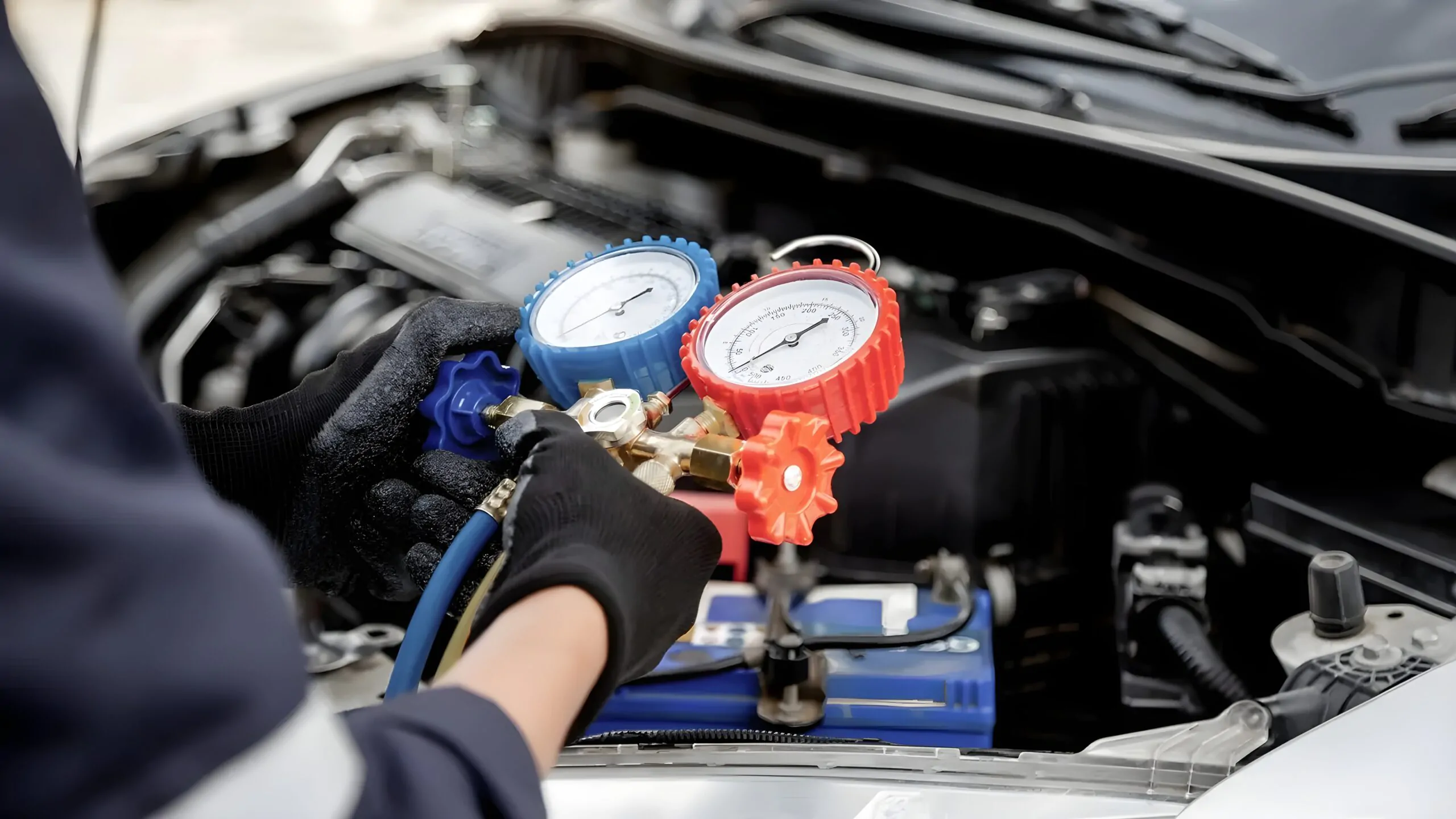
Commercial vehicles play an important role in daily business operations. Whether you operate delivery vans, work trucks, service vehicles, or a fleet of commercial vehicles, keeping them in good condition helps your business run smoothly. However, regular use, heavy loads, and long driving hours can cause wear and tear. If you ignore small mechanical problems, they can quickly turn into expensive repairs.
A professional Commercial Vehicle Inspection helps you identify potential issues before they affect your vehicle’s performance. It allows mechanics to detect worn components, fluid leaks, brake problems, and other concerns early. By scheduling inspections regularly, you can reduce unexpected breakdowns, control maintenance costs, and improve road safety.
If you want to protect your commercial vehicles, understanding the value of professional inspections can help you make better maintenance decisions.
1. Why Is Regular Commercial Vehicle Inspection Important?
Commercial vehicles often cover long distances and operate under demanding conditions. Over time, these conditions put pressure on essential components, including the engine, transmission, suspension, and braking system.
A regular inspection helps identify developing problems before they become serious. For example, a mechanic may discover a small coolant leak during a routine check. Repairing the leak early can help prevent engine overheating and more extensive engine damage.
Regular inspections also help businesses maintain reliable vehicles. When your vehicles operate efficiently, your drivers can complete deliveries, attend appointments, and transport goods with fewer interruptions.
A professional inspection can help you:
- Detect mechanical problems at an early stage.
- Reduce unexpected repair expenses.
- Improve vehicle reliability and road safety.
- Extend the lifespan of important components.
- Minimise downtime and business disruptions.
By investing in preventive maintenance, you can protect your vehicles and manage your operating budget more effectively.
2. How Can Early Problem Detection Reduce Repair Costs?
Small mechanical problems rarely remain small when you ignore them. A worn belt, leaking hose, or damaged seal may seem minor at first. However, continued driving can place additional stress on connected components and increase repair costs.
During a Commercial Vehicle Inspection, a qualified mechanic examines important systems and looks for early signs of damage. This approach allows you to address problems before they affect other vehicle components.
For instance, worn brake pads can damage brake rotors if you delay replacement. Replacing the pads at the right time usually costs less than repairing or replacing several damaged braking components.
Similarly, ignoring unusual engine noises or warning lights can allow a minor fault to develop into a major mechanical issue.
Early detection gives you more control over repair schedules, replacement parts, and maintenance expenses. It also helps you avoid emergency repairs that may cost more than planned servicing.
3. Which Vehicle Components Should Mechanics Inspect?
A thorough inspection covers the major systems that influence vehicle safety, performance, and reliability. Experienced mechanics use visual checks, diagnostic tools, and functional tests where appropriate.
Engine and Transmission
The engine and transmission keep your commercial vehicle moving. Mechanics check for unusual noises, fluid leaks, damaged hoses, worn belts, and signs of overheating. They may also assess engine performance and scan for diagnostic trouble codes.
Identifying problems early can help prevent extensive engine damage and costly transmission repairs.
Brakes and Tyres
Commercial vehicles often carry heavy loads, which increase the demands on their braking systems and tyres. Mechanics inspect brake pads, rotors, brake lines, tyre tread depth, tyre pressure, and visible signs of uneven wear.
They may also check wheel alignment and suspension components when they notice unusual tyre wear. Addressing these issues can improve handling, reduce premature tyre replacement, and support safer driving.
Suspension and Steering
Worn suspension parts can affect vehicle stability, tyre wear, and driver comfort. During an inspection, mechanics look for damaged shocks, worn bushings, loose steering components, and other signs of deterioration.
Fixing these issues early can prevent additional damage and help maintain predictable vehicle handling.
Fluids, Batteries, and Electrical Systems
Engine oil, coolant, brake fluid, and other essential fluids help vehicle systems function correctly. Mechanics check fluid levels and look for leaks or contamination when appropriate.
They can also inspect the battery, charging system, lights, wiring, and dashboard warning indicators. Finding electrical faults early may prevent starting problems and unexpected roadside failures.
4. Can Commercial Vehicle Inspection Prevent Unexpected Breakdowns?
Yes. Regular inspections can significantly reduce the risk of breakdowns by identifying problems that might otherwise remain unnoticed.
A commercial vehicle that breaks down during a delivery or service appointment can create several expenses. You may need roadside assistance, towing, emergency repairs, and a replacement vehicle. Delays can also affect customer satisfaction and business productivity.
Preventive inspections help you identify worn components and developing faults before they cause an unexpected stop. Although no inspection can eliminate every breakdown, regular maintenance improves reliability and reduces avoidable risks.
If your business operates several vehicles, establish a consistent inspection schedule based on mileage, operating conditions, manufacturer recommendations, and vehicle requirements. Vehicles that carry heavy loads or travel frequently may need closer attention.
5. How Does Preventive Maintenance Improve Fleet Management?
Preventive maintenance helps businesses manage vehicle expenses instead of reacting to emergencies. When you schedule inspections in advance, you can plan repairs around delivery schedules, driver availability, and operational needs.
A reliable maintenance plan also helps you track recurring problems. For example, frequent tyre wear may indicate alignment issues, incorrect tyre pressure, or suspension damage. Identifying the underlying cause can prevent repeated replacement costs.
Businesses can improve fleet management by keeping detailed service records, tracking mileage, documenting inspection findings, and prioritising repairs according to safety and urgency.
Working with a trusted auto mechanic Edmonton can also help commercial vehicle owners identify maintenance needs and make informed repair decisions. Choose a professional who understands your vehicle type, explains inspection findings clearly, and recommends repairs based on the vehicle’s actual condition.
6. When Should You Schedule a Commercial Vehicle Inspection?
You should follow the manufacturer’s maintenance schedule and any applicable commercial vehicle inspection requirements. However, certain situations call for additional attention.
Schedule an inspection when you notice warning lights, unusual noises, fluid leaks, vibrations, reduced braking performance, or changes in fuel efficiency. You should also arrange a professional assessment after purchasing a used commercial vehicle or before a demanding period of operation.
Seasonal changes can create additional maintenance needs. In Edmonton, cold winters can affect batteries, tyres, engine fluids, and starting systems. Checking these components before severe weather arrives can help prepare your vehicles for challenging road conditions.
Do not postpone an inspection when you suspect a safety-related problem. Stop using the vehicle when necessary and arrange a professional assessment before returning it to service.
7. How Can You Choose the Right Commercial Vehicle Inspection Service?
Choosing an experienced inspection provider helps you understand your vehicle’s condition and plan the right repairs. Look for a workshop that offers comprehensive inspections, uses suitable diagnostic equipment, and provides clear explanations of its findings.
Ask whether the mechanic checks critical safety systems, identifies immediate concerns, and distinguishes urgent repairs from routine maintenance. A transparent inspection report makes it easier to prioritise spending without overlooking important problems.
At Auto Checkers, commercial vehicle owners can focus on the importance of regular inspections, timely repairs, and responsible vehicle maintenance. Choose an inspection service that supports your operational needs and helps you maintain dependable vehicles.
Conclusion: Is Commercial Vehicle Inspection Worth the Investment?
A professional Commercial Vehicle Inspection is a practical way to reduce avoidable repair costs, improve safety, and extend the service life of your vehicles. By identifying mechanical issues early, you can prevent minor faults from developing into expensive repairs and reduce unexpected downtime.
Regular inspections also help you plan maintenance, improve fleet reliability, and protect your business operations. Whether you manage one work vehicle or an entire fleet, consistent preventive care can make a meaningful difference.
Partnering with a reliable auto mechanic Edmonton gives you access to professional assessments and maintenance guidance tailored to your vehicle’s needs. With a proactive approach and support from Auto Checkers, you can keep your commercial vehicles in better condition and make more informed maintenance decisions.




recent post
How Can Commercial Vehicle Inspection Prevent Costly Repairs?
October 14, 2026

What Are the Available Treatment Options for Liver Metastases?
October 14, 2026
CONTACT US

Category
MUST READ
Popular Posts