How to Choose the Best Wood Glue for Strong and Durable Woodworking Projects
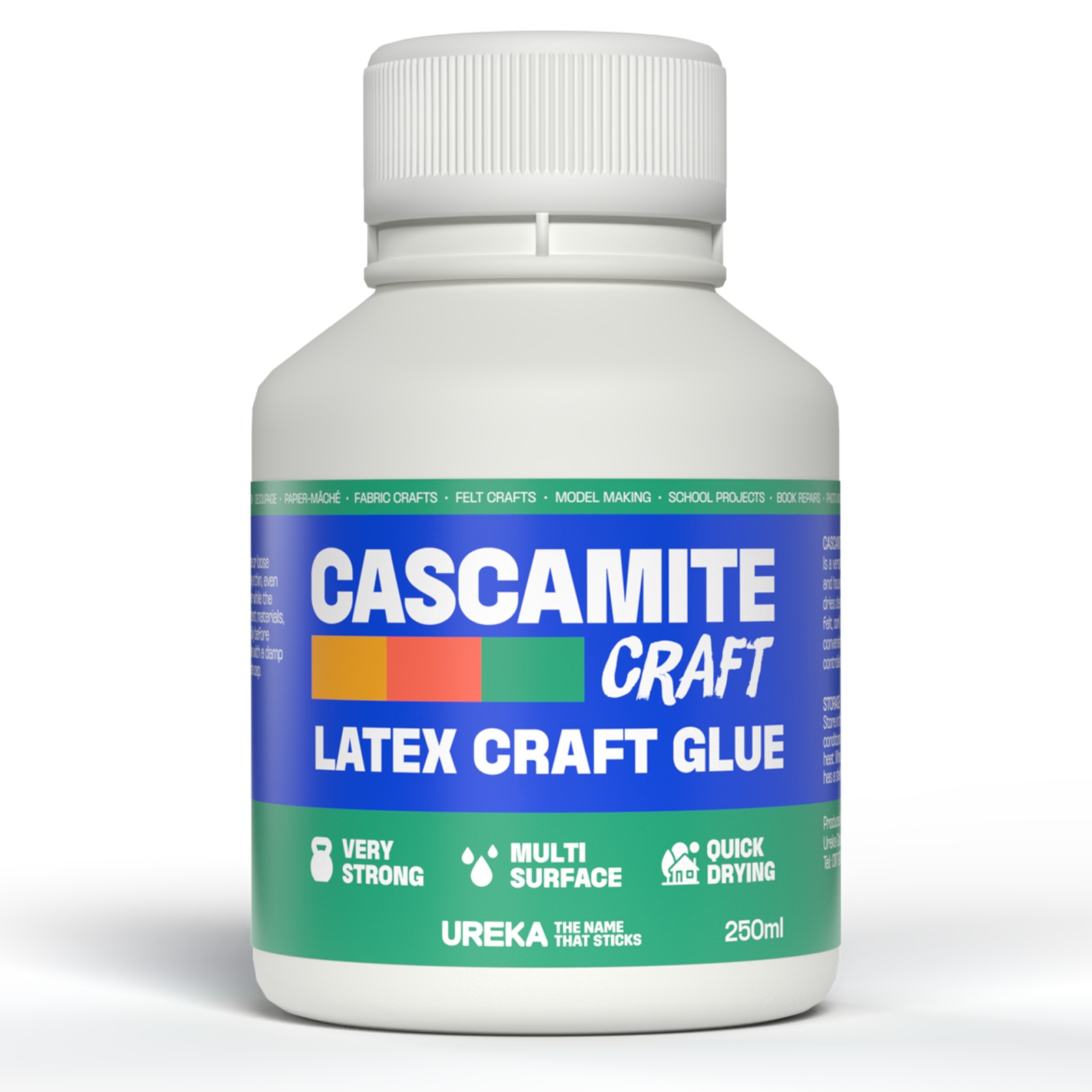
Woodworking requires precision, patience, and the right materials to achieve strong and long-lasting results. Whether you are repairing furniture, building cabinets, creating decorative items, or completing DIY projects, selecting the best wood glue is essential for achieving reliable bonding between wooden surfaces. A suitable adhesive helps hold components together, improves structural stability, and provides a clean finish without relying entirely on mechanical fasteners.
Understanding the Importance of Wood Glue
Wood glue is specially formulated to join wooden surfaces by creating a bond between two pieces of material. It is commonly used in furniture manufacturing, carpentry, cabinet making, flooring applications, and home improvement projects.
Unlike ordinary adhesives, wood-specific products are designed to work with the natural characteristics of timber. Different formulations offer varying levels of strength, moisture resistance, flexibility, and setting time. Understanding these differences helps users select an adhesive that matches their particular application.
Different Types of Wood Adhesives
There are several types of wood adhesives available, each designed for specific working conditions.
PVA Wood Glue: Polyvinyl acetate adhesives are commonly used for general woodworking, furniture assembly, and indoor repairs. They are easy to apply and suitable for many everyday applications.
Polyurethane Adhesives: These adhesives are known for their strong bonding properties and are often selected for projects requiring additional moisture resistance.
Epoxy Adhesives: Epoxy products are useful for repairs, filling gaps, and bonding different materials. They generally require careful mixing before application.
Specialty Wood Adhesives: Certain formulations are developed for specific woodworking environments, materials, or performance requirements.
Choosing between these options depends on the type of wood, project conditions, and expected durability.
What Makes the Strongest Wood Glue?
Finding the strongest wood glue depends on more than simply selecting a product with a high-strength claim. The final bond is influenced by adhesive formulation, surface preparation, application technique, curing time, and the quality of the wooden materials.
A strong adhesive should create a dependable connection while maintaining suitable performance under the expected environmental conditions. For furniture and structural woodworking applications, users should carefully review the manufacturer’s technical specifications and recommended usage instructions.
It is also important to understand that different adhesives perform differently depending on whether the project involves hardwood, softwood, plywood, or engineered wood products.
Preparing Wooden Surfaces Before Application
Surface preparation is one of the most important steps in successful woodworking. Dust, grease, moisture, and loose particles can interfere with adhesive performance.
Before applying glue, ensure that the surfaces are clean and properly aligned. Rough or uneven edges may require sanding or adjustment to achieve better contact between the wooden pieces.
The adhesive should be applied according to the manufacturer’s recommended quantity. Excessive glue does not necessarily produce a stronger bond and may create unnecessary cleanup work.
Importance of Clamping During Woodworking
Clamping helps maintain consistent pressure between wooden surfaces while the adhesive sets. It prevents movement and allows the bonding areas to remain in proper contact.
Different projects may require different clamping arrangements. Small decorative pieces may need lightweight clamps, while larger furniture components may require stronger equipment.
Always follow the recommended clamping and curing instructions. Removing clamps too early can affect the final strength and stability of the joint.
Choosing Glue According to the Project
Every woodworking project has different requirements. Furniture repairs may require an adhesive suitable for everyday handling, while cabinets and decorative wooden products may need different bonding characteristics.
Indoor applications generally have different environmental requirements compared with outdoor projects. Outdoor furniture, garden structures, and other exposed wooden items may require adhesives with suitable moisture and weather resistance.
For this reason, checking the product’s intended application is important before making a purchase.
Common Wood Glue Application Mistakes
Several mistakes can reduce adhesive performance. Applying glue to dirty surfaces, using an incorrect quantity, ignoring curing time, or failing to clamp the joint properly can affect the final result.
Another common mistake is using an indoor adhesive for applications exposed to regular moisture. Users should always check whether the selected product is suitable for the intended environment.
Following technical instructions and allowing sufficient curing time can help prevent avoidable bonding problems.
Safe Storage and Handling
Wood adhesives should be stored according to the manufacturer’s recommendations. Containers should remain properly sealed when not in use and should be kept away from unsuitable temperatures or direct sunlight.
Users should also follow the safety information provided on product labels and technical documents. Appropriate ventilation and protective equipment may be necessary depending on the adhesive formulation.
Conclusion
Selecting the right wood adhesive is essential for achieving reliable and durable woodworking results. Product formulation, material compatibility, surface preparation, clamping, and curing time all influence bonding performance. By understanding these factors and following manufacturer instructions, professionals and DIY enthusiasts can complete woodworking projects with greater confidence and consistency.


recent post
How to Choose the Best Construction Company Near You for Your Dream Home
November 13, 2026
What Makes a Maytag Appliance Repair Company the Best Choice?
November 13, 2026
วิธีเลือกเก้าอี้ทำงานให้เหมาะกับออฟฟิศและคุ้มค่ากับงบประมาณ
November 13, 2026
CONTACT US

Category
MUST READ

Popular Posts