Hyperbaric oxygen therapy (HBOT) has gained attention as a treatment that delivers concentrated oxygen while a person breathes inside a pressurized chamber. Doctors and trained healthcare professionals use it for certain medical conditions because increased pressure allows the body to absorb more oxygen.
But is hyperbaric oxygen therapy safe for most people? In general, HBOT can be safe when qualified professionals use approved equipment and follow appropriate medical protocols. However, it is not suitable for everyone, and patients should receive a proper medical evaluation before treatment.
Understanding how HBOT works, its potential benefits, possible side effects, and safety requirements can help patients and healthcare professionals make informed decisions.
How Does Hyperbaric Oxygen Therapy Work?
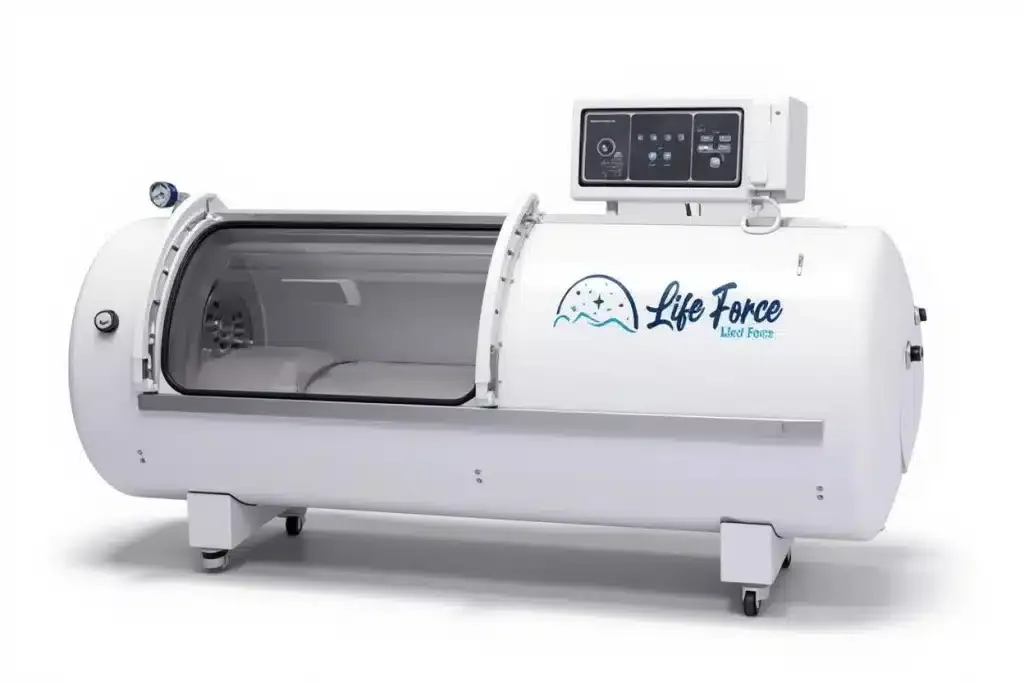
Hyperbaric oxygen therapy increases the amount of oxygen available to the body by combining high oxygen concentration with increased atmospheric pressure. During a session, the patient enters a specialized chamber and breathes oxygen according to the treatment protocol.
The increased pressure allows oxygen to dissolve more effectively into the blood plasma. This can help deliver oxygen to tissues that may not receive enough oxygen under normal conditions.
Medical facilities use HBOT for specific indications, such as certain wounds, decompression sickness, carbon monoxide poisoning, radiation-related tissue damage, and other conditions recognized by medical authorities.
Because treatment involves pressure and oxygen, trained personnel must monitor patients throughout the session.
Why Is Hyperbaric Oxygen Therapy Considered Safe?
Healthcare providers have used hyperbaric oxygen therapy for decades. When patients receive treatment under appropriate medical supervision, serious complications remain uncommon.
Several factors contribute to safe treatment. Qualified professionals evaluate the patient’s medical history, identify potential risks, check the patient’s ability to equalize pressure, and select an appropriate treatment protocol.
The chamber itself also plays an important role. Healthcare facilities should use properly maintained equipment and follow established safety procedures.
Patients should always disclose their medications, medical conditions, previous surgeries, and any concerns before starting HBOT. This information helps the medical team determine whether the treatment is appropriate.
What Common Side Effects Can Occur During HBOT?
Although many people tolerate HBOT well, some patients experience temporary side effects. The most common issue involves pressure changes affecting the ears.
Patients may experience ear discomfort, a feeling of fullness, or difficulty equalizing pressure during compression or decompression. Swallowing, yawning, or other pressure-equalization techniques may help, but patients should tell the technician if they experience significant discomfort.
Some people may also experience temporary changes in vision after repeated treatments. These changes generally resolve after treatment ends.
Other possible effects can include fatigue, lightheadedness, or temporary sinus discomfort. The medical team should monitor unusual symptoms and determine whether treatment should continue.
Who Should Avoid Hyperbaric Oxygen Therapy?
HBOT does not suit every individual. Certain medical conditions can increase the risks associated with pressurized oxygen treatment.
An untreated pneumothorax, for example, represents an important contraindication to HBOT. Other conditions may require additional evaluation or special precautions rather than automatically preventing treatment.
Patients should never decide independently that HBOT is safe for them. A qualified healthcare professional should review their medical history and determine whether they can safely participate.
Pregnancy, lung conditions, certain medications, ear or sinus problems, and other health factors may require individualized assessment.
How Can Patients Prepare for a Safe HBOT Session?
Good preparation can make the treatment experience safer and more comfortable. Patients should follow the instructions provided by their healthcare facility.
Before entering the chamber, patients may need to remove certain personal items and avoid products that could create a fire risk. Facilities typically provide specific instructions about clothing, electronics, cosmetics, and other items.
Patients should also eat and drink according to their provider’s instructions. They should report symptoms such as a cold, congestion, fever, ear infection, or breathing difficulty before treatment.
Most importantly, patients should communicate with the technician throughout the session. Reporting discomfort early allows the team to respond quickly.
Why Does Professional Training Matter for HBOT Safety?
Safe HBOT depends heavily on knowledgeable professionals. Technicians and healthcare workers need to understand chamber operation, pressure management, patient monitoring, emergency procedures, and oxygen safety.
Professional education can help staff recognize potential complications before they become serious. Training also teaches personnel how to communicate with patients and follow facility-specific safety protocols.
Programs involving online hbot training can provide educational information about hyperbaric principles, chamber operations, safety procedures, and patient care. However, online education should complement appropriate hands-on training, supervised experience, and facility protocols rather than replace practical competency where it is required.
Organizations such as Hyperbaric Business Solutions can help professionals understand the educational and operational aspects associated with hyperbaric services.
What Safety Rules Should Hyperbaric Facilities Follow?
Hyperbaric facilities need clear safety procedures. Staff should inspect equipment regularly, maintain appropriate emergency systems, and follow manufacturer instructions.
Fire prevention remains particularly important because oxygen-rich environments can increase fire risk. Facilities should control ignition sources and ensure that only approved materials enter the chamber.
Staff should also document treatments and monitor patients appropriately. Emergency procedures should remain accessible, and personnel should know how to respond to unexpected medical or equipment-related situations.
A strong safety culture protects both patients and staff.
Can Everyone Receive the Same HBOT Treatment?
No. Healthcare professionals should personalize treatment according to the patient’s condition and clinical requirements.
Treatment pressure, oxygen exposure, session duration, and treatment frequency can vary. A protocol designed for one medical condition may not be appropriate for another.
This is why patients should avoid copying HBOT schedules from other people or using chambers without proper medical guidance. More oxygen does not automatically mean better results, and inappropriate exposure can create unnecessary risks.
A qualified professional should determine the appropriate treatment plan.
Is HBOT Safe When Used Outside a Medical Setting?
The answer depends on the equipment, supervision, treatment purpose, and individual circumstances. Some people consider hyperbaric chambers for wellness or personal use, but medical applications require careful evaluation.
Home or commercial equipment should never encourage people to bypass professional guidance. Users need to understand chamber limitations, operating procedures, contraindications, and emergency considerations.
Anyone considering HBOT should first discuss the treatment with an appropriately qualified healthcare professional.
How Can Online HBOT Training Improve Professional Knowledge?
Education plays an important role in improving hyperbaric safety. Online hbot training can introduce professionals to fundamental concepts such as pressure physics, oxygen exposure, chamber components, patient monitoring, contraindications, and emergency considerations.
Online learning can also make education more accessible to professionals who need flexible study schedules. However, learners should choose reputable programs that provide accurate information and align with recognized professional standards.
For organizations developing or expanding hyperbaric services, Hyperbaric Business Solutions can serve as a resource for understanding training, equipment, and operational considerations.
What Should You Remember About Hyperbaric Oxygen Therapy Safety?
So, is hyperbaric oxygen therapy safe for most people? It can be safe and well tolerated when qualified professionals select appropriate patients, use properly maintained equipment, and follow established treatment and safety procedures.
However, HBOT is not risk-free, and it does not suit everyone. Pressure-related problems, oxygen-related complications, and other risks require proper attention.
Patients should receive a medical evaluation before treatment and communicate any symptoms during a session. Healthcare facilities should prioritize professional training, equipment maintenance, emergency readiness, and patient monitoring.
Ultimately, safe HBOT depends on more than the chamber itself. Proper patient selection, professional supervision, quality equipment, and effective training all work together to create a safer treatment environment.





recent post




CONTACT US

Category
MUST READ


Popular Posts