RCD Testing and Workshop Test and Tag Service: Ensuring Electrical Safety in Your Workshop
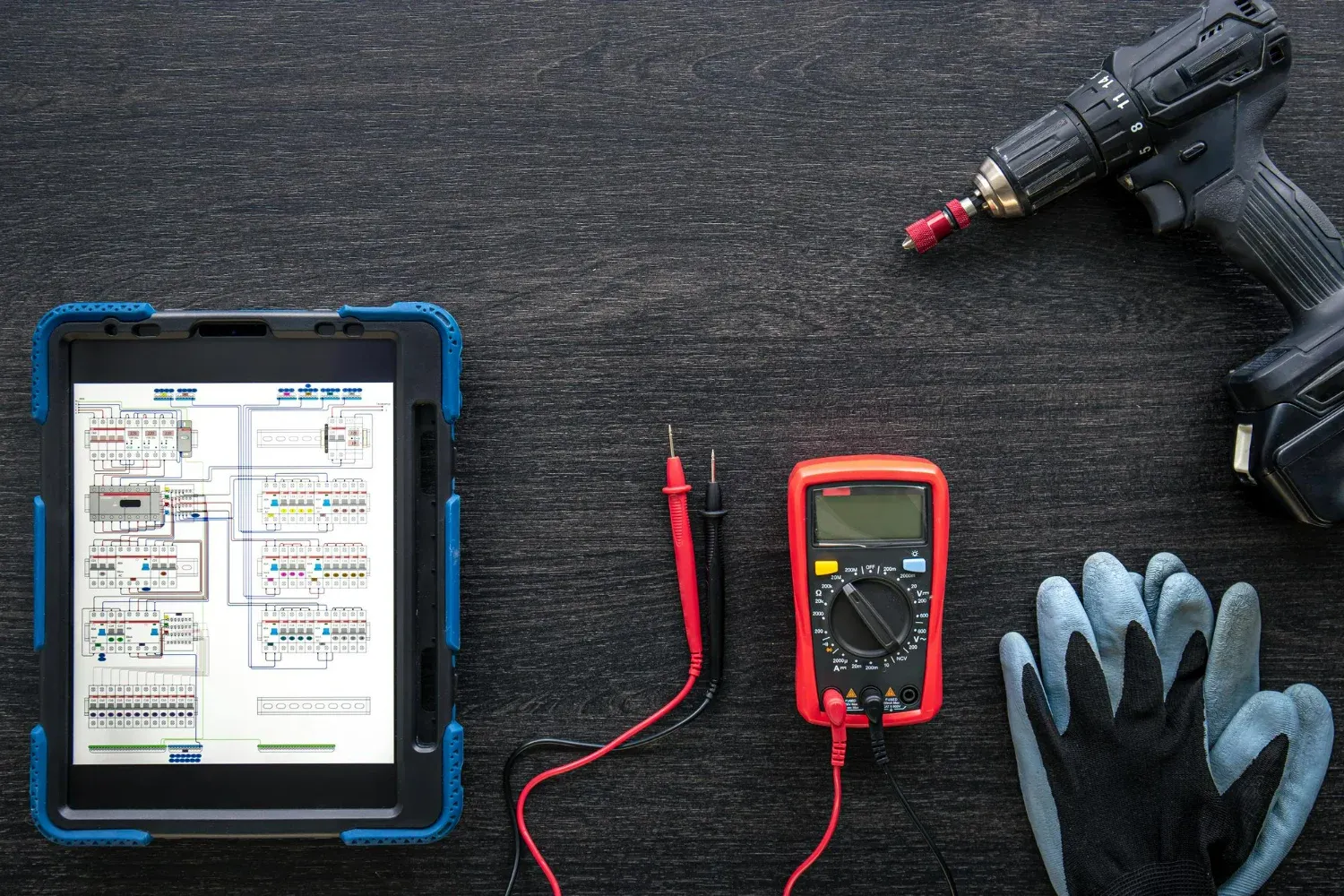
Electrical safety is a critical priority for every workshop, industrial facility, and commercial workplace. From power tools and machinery to extension leads and portable electrical equipment, workshops rely on electricity to maintain productivity and complete daily operations. However, damaged equipment, faulty wiring, and electrical leakage can create serious hazards if they are not identified and addressed promptly. This is where RCD Testing and a professional Workshop Test and Tag Service play an essential role in maintaining a safe working environment.
By implementing regular electrical safety inspections and testing procedures, businesses can reduce risks, protect employees, and improve the reliability of their equipment.
Understanding the Importance of RCD Testing
A Residual Current Device (RCD) is an important electrical safety device designed to help protect people against electric shock. It monitors the electrical current flowing through a circuit and disconnects the power supply when it detects an imbalance that could indicate current leakage.
RCDs are commonly installed in workshops, construction environments, commercial buildings, and industrial facilities where electrical equipment is used regularly. However, simply installing an RCD does not guarantee that it will operate correctly when needed.
RCD Testing verifies that the device functions according to its required performance criteria. Testing helps identify potential faults and confirms that the protective device can disconnect the electrical supply within the specified limits.
Regular testing is particularly important in workshops because equipment may be exposed to dust, vibration, moisture, heavy use, and accidental damage. These conditions can affect electrical installations and increase the likelihood of faults.
What Is a Workshop Test and Tag Service?
A Workshop Test and Tag Service involves inspecting and electrically testing portable electrical equipment, followed by attaching a tag that records relevant testing information and helps identify the equipment’s inspection status.
Workshops often use a wide range of electrical tools and appliances, including:
- Power drills, grinders, and electric saws
- Extension leads and portable power boards
- Welding equipment and associated electrical accessories
- Portable lighting and work lamps
- Bench-mounted electrical tools
- Other plug-in electrical appliances used during workshop operations
Over time, these items can develop damaged insulation, loose connections, exposed wiring, or faulty plugs. Such defects may not always be visible during a quick visual inspection.
A professional testing service combines visual inspections with appropriate electrical tests to identify potential hazards. Once equipment has been assessed, suitable tagging and documentation help businesses maintain records of inspection dates, test results, and future testing requirements.
It is important to remember that test and tag does not replace all other electrical safety measures. Fixed electrical installations, machinery-specific safety requirements, and other workplace obligations may require separate inspections or assessments.
Key Benefits of RCD Testing and Test and Tag Services
1. Improved Workplace Safety
The primary benefit of RCD Testing and equipment inspections is the early identification of electrical hazards. Detecting damaged cables, defective plugs, and malfunctioning protective devices can help reduce the risk of electric shock, burns, and electrical fires.
A safer workshop also supports employee confidence and encourages responsible equipment handling.
2. Reduced Equipment Downtime
Faulty electrical equipment can interrupt production, delay projects, and increase maintenance costs. Regular inspections help identify problems before they develop into more serious failures.
By removing defective equipment from service and arranging timely repairs, businesses can minimise unexpected disruptions and maintain more consistent operations.
3. Better Compliance Management
Workplace electrical safety requirements vary depending on the location, industry, equipment type, and working conditions. In Australia, for example, applicable workplace safety legislation and electrical standards may establish inspection and testing obligations.
A reliable Workshop Test and Tag Service can help businesses maintain organised testing records and demonstrate that appropriate safety procedures are being followed. However, testing schedules should be determined by the applicable requirements and the risks associated with the equipment and environment.
4. Longer Equipment Service Life
Regular inspection can reveal worn cables, damaged plugs, and other developing problems. Addressing these issues early may prevent further damage and help extend the useful life of suitable equipment.
This proactive approach can also support better maintenance planning and more efficient equipment management.
How Often Should Workshop Equipment Be Tested?
The appropriate testing frequency depends on several factors, including the type of equipment, its usage, the workplace environment, and applicable legal requirements.
Equipment used in demanding environments may require more frequent inspection than appliances used in clean, low-risk office settings. Construction activities, heavy industrial operations, and workshops exposed to moisture or mechanical damage may present additional risks.
Businesses should establish a testing schedule based on a documented risk assessment and relevant local requirements. Equipment should also be inspected before use, and any item showing signs of damage should be removed from service immediately until it has been assessed by a competent person.
RCDs should be tested at the intervals and using the procedures specified by applicable standards, manufacturer instructions, and workplace requirements.
Choosing a Professional Electrical Testing Provider
Selecting an experienced provider is an important step in maintaining electrical safety. Look for a service provider with appropriately qualified personnel, suitable testing instruments, clear reporting procedures, and knowledge of the requirements relevant to your industry.
A dependable provider should explain the inspection process, identify failed equipment, provide clear test records, and recommend appropriate corrective actions. For workshops with numerous tools and machines, a planned testing program can make ongoing safety management easier and more efficient.
Conclusion
Electrical safety should never be overlooked in a busy workshop. Regular RCD Testing helps verify the operation of essential electrical protection devices, while a professional Workshop Test and Tag Service helps identify potentially unsafe portable electrical equipment and maintain useful inspection records.
Together, these services support a safer workplace, reduce avoidable equipment failures, and help businesses manage their electrical safety responsibilities. By investing in regular inspections, appropriate testing schedules, and timely repairs, workshop operators can protect their workforce and keep essential operations running smoothly.
Make electrical safety part of your routine maintenance strategy. A proactive approach today can help prevent serious electrical incidents tomorrow.




recent post

How Can You Find the Best Maytag Appliance Repair Service Near You?
October 21, 2026

How Can You Find the Best LG Appliances Repair Service Near You?
October 21, 2026
CONTACT US

Category
MUST READ

Popular Posts