What Steps Are Involved in Effective Flood Cleanup Calgary Services?
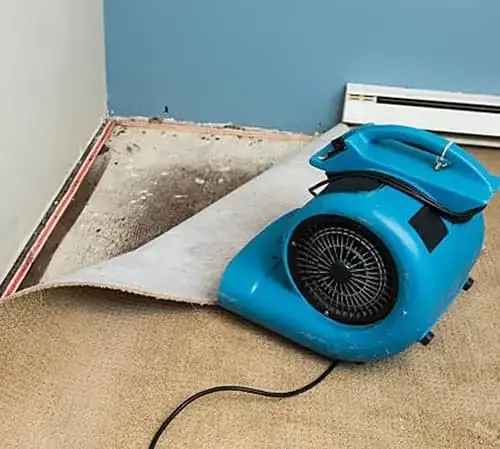
Flooding can cause serious damage to residential and commercial properties. Whether water enters your property because of heavy rainfall, burst pipes, sewer backups, or plumbing failures, quick action plays an important role in preventing further problems. Standing water can damage flooring, walls, furniture, electrical systems, and personal belongings. It can also create damp conditions that encourage mould growth.
Professional flood cleanup Calgary services help property owners manage water damage through a structured restoration process. Experienced technicians use specialised equipment and proven techniques to remove water, dry affected areas, clean contaminated surfaces, and restore damaged spaces. Understanding each stage helps you make informed decisions during an emergency.
1. How Does the Initial Flood Damage Assessment Begin?
The first step in effective flood cleanup involves a detailed property inspection. Restoration professionals assess the affected areas to understand the extent and severity of the damage.
During this inspection, technicians identify the source of water, measure moisture levels, and check which materials have absorbed water. They also inspect walls, ceilings, floors, carpets, insulation, and other vulnerable areas.
A proper assessment helps restoration teams develop an appropriate cleanup plan. It also allows them to identify potential safety hazards, including electrical risks, structural weaknesses, and contaminated water.
Professional companies such as Ideal Response prioritise careful inspections to determine the right restoration approach for each property.
2. Why Is Immediate Water Removal Important?
Removing standing water quickly is one of the most important stages of flood cleanup. Water can spread through flooring, furniture, drywall, and other building materials within a short period.
Professional restoration teams use powerful pumps, wet vacuums, and water extraction equipment to remove accumulated water. These machines help technicians clear flooded basements, living spaces, offices, and other affected areas.
Quick extraction offers several benefits:
- Reduces moisture absorption in building materials.
- Helps prevent further structural damage.
- Limits damage to furniture and personal belongings.
- Reduces the risk of mould development.
- Creates better conditions for the drying process.
Property owners should avoid entering flooded areas until professionals confirm that the environment is safe, particularly when electrical systems or contaminated water create potential hazards.
3. How Does Professional Drying Prevent Further Damage?
Removing visible water does not mean the property has completely dried. Moisture often remains inside walls, carpets, wooden floors, insulation, and other hidden spaces.
Professional emergency water damage restoration services address this problem through controlled drying and dehumidification.
Technicians use industrial air movers and commercial dehumidifiers to improve air circulation and remove excess moisture. They may also use specialised moisture meters and thermal imaging equipment to locate damp areas that are difficult to identify through visual inspection.
Proper drying helps protect building materials from swelling, deterioration, and mould growth. Restoration professionals continue monitoring moisture levels until affected areas reach appropriate drying conditions.
This stage requires patience because rushing the process can leave hidden moisture behind and create additional problems later.
4. What Role Does Cleaning and Sanitisation Play?
Floodwater does not always contain clean water. Depending on its source, it may carry bacteria, chemicals, sewage, dirt, and other harmful contaminants.
Cleaning and sanitisation therefore play an essential role in restoring a safe indoor environment. Restoration specialists select suitable cleaning products and treatment methods based on the type of water involved.
The process may include:
- Cleaning affected floors, walls, and surfaces.
- Disinfecting contaminated areas.
- Removing dirt, debris, and unpleasant odours.
- Sanitising salvageable furniture and belongings.
- Disposing of materials that cannot be safely restored.
Professional technicians follow appropriate safety procedures when handling potentially contaminated materials. This helps reduce health risks and prepares the property for the remaining restoration work.
5. When Should Property Owners Consider Mould Prevention?
Mould can develop when moisture remains trapped inside a property. Flooded buildings provide favourable conditions for mould growth, particularly in damp basements, bathrooms, wall cavities, and poorly ventilated rooms.
Preventing mould requires more than cleaning visible surfaces. Restoration professionals must identify and address the underlying moisture problem.
They inspect vulnerable materials, monitor humidity, and recommend suitable treatment when necessary. If mould has already developed, specialists may need to isolate affected areas and remove contaminated materials using appropriate procedures.
Early intervention can reduce the likelihood of extensive mould problems and help protect indoor air quality.
Homeowners should also avoid disturbing visible mould growth because this can release spores into the surrounding environment.
6. How Do Restoration Experts Handle Damaged Materials?
Not every material can recover after prolonged exposure to water. Some items retain moisture, lose their strength, or become contaminated beyond safe restoration.
During this stage, technicians determine which materials they can clean and restore and which ones require replacement.
For example, heavily damaged carpets, soaked insulation, swollen drywall, and certain flooring materials may need removal. Meanwhile, some furniture, structural components, and personal belongings may remain salvageable after professional cleaning and drying.
The restoration team also evaluates whether damaged building components need repairs before reconstruction begins.
This careful approach helps property owners avoid unnecessary replacement costs while ensuring that unsafe or severely damaged materials do not remain inside the building.
7. What Happens During the Final Repairs and Restoration?
Once technicians complete water extraction, drying, cleaning, and sanitisation, the property moves towards the final restoration stage.
Depending on the extent of the damage, this stage may involve replacing drywall, repairing flooring, repainting walls, installing new insulation, and restoring damaged fixtures.
Professionals also inspect completed work to confirm that affected areas meet suitable moisture conditions before closing walls or installing replacement materials.
Reliable emergency water damage restoration services focus on bringing the property back to a functional and comfortable condition. Clear communication throughout this stage helps property owners understand the work, expected timelines, and remaining requirements.
8. How Can You Prepare for Future Flooding Emergencies?
Although property owners cannot prevent every flooding incident, they can take practical steps to reduce potential damage.
Consider these preventive measures:
- Inspect plumbing connections and water supply lines regularly.
- Keep gutters and downspouts clear of debris.
- Check basement walls for cracks and signs of moisture.
- Maintain proper drainage around your property.
- Install suitable sump pumps where necessary.
- Store important documents and valuables above floor level.
- Keep emergency restoration contact details accessible.
Regular property maintenance can identify potential problems before they develop into major emergencies. Having a response plan also helps you act quickly when flooding occurs.
Why Should You Choose Professional Flood Cleanup Calgary Services?
Flood restoration involves several technical processes that require proper equipment, experience, and safety procedures. Attempting to handle extensive water damage without professional assistance can leave hidden moisture, contamination, and structural problems unresolved.
Professional flood cleanup Calgary services provide a systematic approach, from the initial inspection to final repairs. Experienced technicians understand how to assess water damage, extract standing water, dry affected materials, and restore damaged spaces.
Ideal Response understands the importance of timely action and organised restoration when flooding affects homes and businesses. Choosing an experienced restoration team can help property owners manage unexpected water damage with greater confidence.
Conclusion: Why Does Every Step Matter in Flood Restoration?
Effective flood cleanup requires more than simply removing standing water. Each stage, including inspection, extraction, drying, sanitisation, mould prevention, material removal, and reconstruction, contributes to a successful recovery.
Taking immediate action helps limit further damage and reduces the risk of long-term problems. By choosing professional restoration support, property owners can protect their buildings, belongings, and indoor environments.
When flooding occurs, acting quickly and following a structured restoration process makes a significant difference in bringing your property back to its original condition.




recent post
What Steps Are Involved in Effective Flood Cleanup Calgary Services?
November 28, 2026
How Can a Dentist in Albany WA Help You Maintain a Healthy Smile?
November 28, 2026

Why Should You Choose a Trusted Albany Dentist for Your Dental Care?
November 28, 2026
כל מה שצריך לדעת על גז 410 ומחיריו
November 28, 2026
CONTACT US

Category
MUST READ

Popular Posts