When Should Your Child First Visit a Kids Orthodontist?
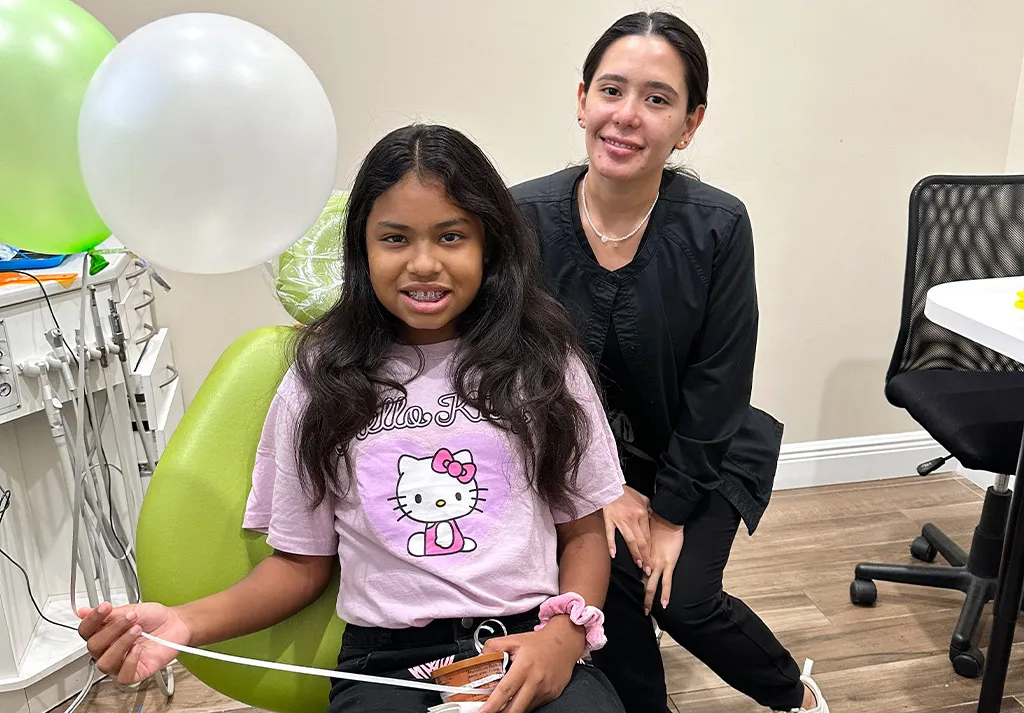
Every parent wants their child to have a healthy, confident smile. Good dental habits play an important role in maintaining oral health, but parents should also pay attention to how their child’s teeth and jaws develop. One common question parents ask is, when should a child first visit an orthodontist?
According to the American Association of Orthodontists, children should have their first orthodontic evaluation by age seven. At this stage, children usually have a combination of baby teeth and permanent teeth, allowing an orthodontist to identify potential alignment and jaw development concerns early.
Visiting a kids orthodontist near me can help parents understand their child’s dental development and determine whether early treatment is necessary. Let’s explore the right age for an orthodontic visit, common warning signs, and the benefits of early evaluation.
Why Should Children Visit an Orthodontist Around Age Seven?
Age seven is an important milestone in dental development. By this age, children typically have several permanent teeth, including their first molars and incisors. These teeth help orthodontists evaluate how the upper and lower jaws fit together.
An early orthodontic examination does not mean every child needs braces immediately. Instead, it allows the orthodontist to monitor dental growth and identify potential problems before they become more complicated.
Some common concerns an orthodontist may identify include:
- Crowded or overlapping teeth
- Early or late loss of baby teeth
- Overbites and underbites
- Crossbites
- Difficulty chewing or biting
- Jaw growth irregularities
- Gaps or spacing problems
An early assessment gives parents valuable information about their child’s oral development and possible treatment options.
What Are the Signs That Your Child Needs an Orthodontic Checkup?
Although age seven provides a general guideline, certain signs may indicate that your child needs an orthodontic evaluation sooner.
Parents should watch for the following dental concerns:
- Crowded Teeth: When permanent teeth do not have enough room to grow properly, they may overlap or appear crooked.
- Difficulty Biting or Chewing: Children who struggle to bite or chew food comfortably may have problems with their bite alignment.
- Early or Delayed Baby Tooth Loss: Losing baby teeth too early or keeping them for longer than expected can affect the position of permanent teeth.
- Mouth Breathing: Frequent mouth breathing may sometimes occur alongside dental or jaw development concerns and deserves professional attention.
- Protruding Front Teeth: Front teeth that stick out may face a greater risk of injury during sports or everyday activities.
- Jaw Shifting or Clicking: Noticeable jaw movement or persistent clicking should be discussed with a dental professional.
If you notice any of these signs, schedule an evaluation rather than waiting until all permanent teeth appear.
How Does Early Orthodontic Treatment Help Children?
Early orthodontic treatment, sometimes called Phase 1 treatment, can address specific dental and jaw development concerns while children are still growing.
An orthodontist may recommend early intervention when a developing problem could become more difficult to correct later.
Some potential benefits include:
- Better Jaw Development: Certain treatments can guide jaw growth and improve how the upper and lower jaws fit together.
- Improved Tooth Alignment: Early intervention may create additional room for permanent teeth.
- Reduced Risk of Dental Injuries: Correcting significantly protruding front teeth can help reduce their exposure to accidental damage.
- Improved Oral Hygiene: Properly aligned teeth can make brushing and flossing easier.
- Better Bite Function: Addressing certain bite problems can improve how children bite and chew.
However, not every child needs early treatment. Some children only require regular monitoring until more permanent teeth develop.
What Happens During a Child’s First Orthodontic Visit?
A child’s first orthodontic appointment usually involves a comfortable examination and a discussion about dental development.
The orthodontist may begin by reviewing the child’s dental history and asking about any concerns related to chewing, speech, or tooth alignment.
The examination may include:
- Checking the position of baby and permanent teeth
- Evaluating the upper and lower jaw relationship
- Examining the child’s bite
- Assessing spacing and crowding
- Reviewing facial and jaw development
- Taking dental X-rays or photographs when necessary
After the examination, the orthodontist explains whether the child needs treatment or simply requires periodic checkups.
At Ivanov Orthodontic Experts, parents can discuss their child’s orthodontic development and learn about suitable treatment approaches based on individual needs.
How Often Should Children Visit an Orthodontist?
The frequency of orthodontic appointments depends on the child’s dental development and treatment requirements.
Children who do not need immediate treatment may benefit from periodic monitoring. The orthodontist can track how permanent teeth emerge and identify any changes that require attention.
Children undergoing early orthodontic treatment may need more frequent appointments to monitor progress and adjust their appliances.
Parents should follow the recommended appointment schedule and maintain regular dental checkups with their family dentist.
Consistent monitoring helps ensure that the orthodontist can respond appropriately as the child’s teeth and jaws develop.
How Can You Find the Right Kids Orthodontist Near Me?
Choosing the right orthodontist is an important decision for your child’s long-term dental health. Parents should look for a qualified professional who understands children’s dental development and provides age-appropriate treatment recommendations.
Consider these factors when selecting an orthodontic practice:
Experience With Children: Choose an orthodontist who regularly evaluates and treats young patients.
Personalized Treatment Plans: Every child’s teeth develop differently. The orthodontist should recommend treatment based on individual needs.
Comfortable Environment: A welcoming and child-friendly clinic can make dental visits less stressful.
Clear Communication: Parents should receive understandable explanations about treatment options, costs, and expected timelines.
Convenient Appointments: Flexible scheduling can make it easier to maintain regular orthodontic visits.
If you are searching online for a kids orthodontist near me, compare local practices and schedule an initial consultation to understand which provider best suits your child’s needs.
Why Should Parents Consider an Orthodontist in Miami?
Parents looking for an orthodontist Miami families can trust should prioritize professional experience, modern treatment options, and personalized care.
A qualified orthodontist can evaluate developing teeth, identify potential bite problems, and explain whether early treatment would benefit the child.
Ivanov Orthodontic Experts helps families understand orthodontic treatment options and the importance of monitoring dental development. Parents can discuss their child’s concerns, ask questions, and learn what to expect at different stages of treatment.
Choosing an orthodontist who communicates clearly can help children feel more comfortable and encourage positive dental habits.
Can Early Orthodontic Visits Prevent Future Dental Problems?
Early orthodontic visits can help identify certain dental concerns before they become more challenging to manage. However, they cannot prevent every future orthodontic problem.
Some children develop normally and never need braces, while others may require treatment during their teenage years.
The main advantage of an early evaluation is that it gives parents and orthodontists time to understand the child’s growth pattern and plan treatment when necessary.
Even when treatment is not immediately required, regular monitoring provides reassurance and helps families stay informed about their child’s dental health.
When Is the Best Time to Schedule Your Child’s First Orthodontic Visit?
The ideal time for a child’s first orthodontic evaluation is around age seven. However, parents should schedule an appointment earlier if they notice unusual tooth alignment, bite difficulties, or concerns about jaw development.
Remember, an early orthodontic consultation does not automatically mean your child needs braces. It simply helps identify potential concerns and determine the right time for treatment.
By choosing an experienced orthodontist, maintaining regular dental visits, and monitoring your child’s oral development, you can support a healthier smile for years to come. Taking this simple step today can make a meaningful difference in your child’s future dental health.



recent post

What Should You Expect During Your First Group Pilates Class?
November 18, 2026
When Should Your Child First Visit a Kids Orthodontist?
November 18, 2026

CONTACT US

Category
MUST READ


Popular Posts