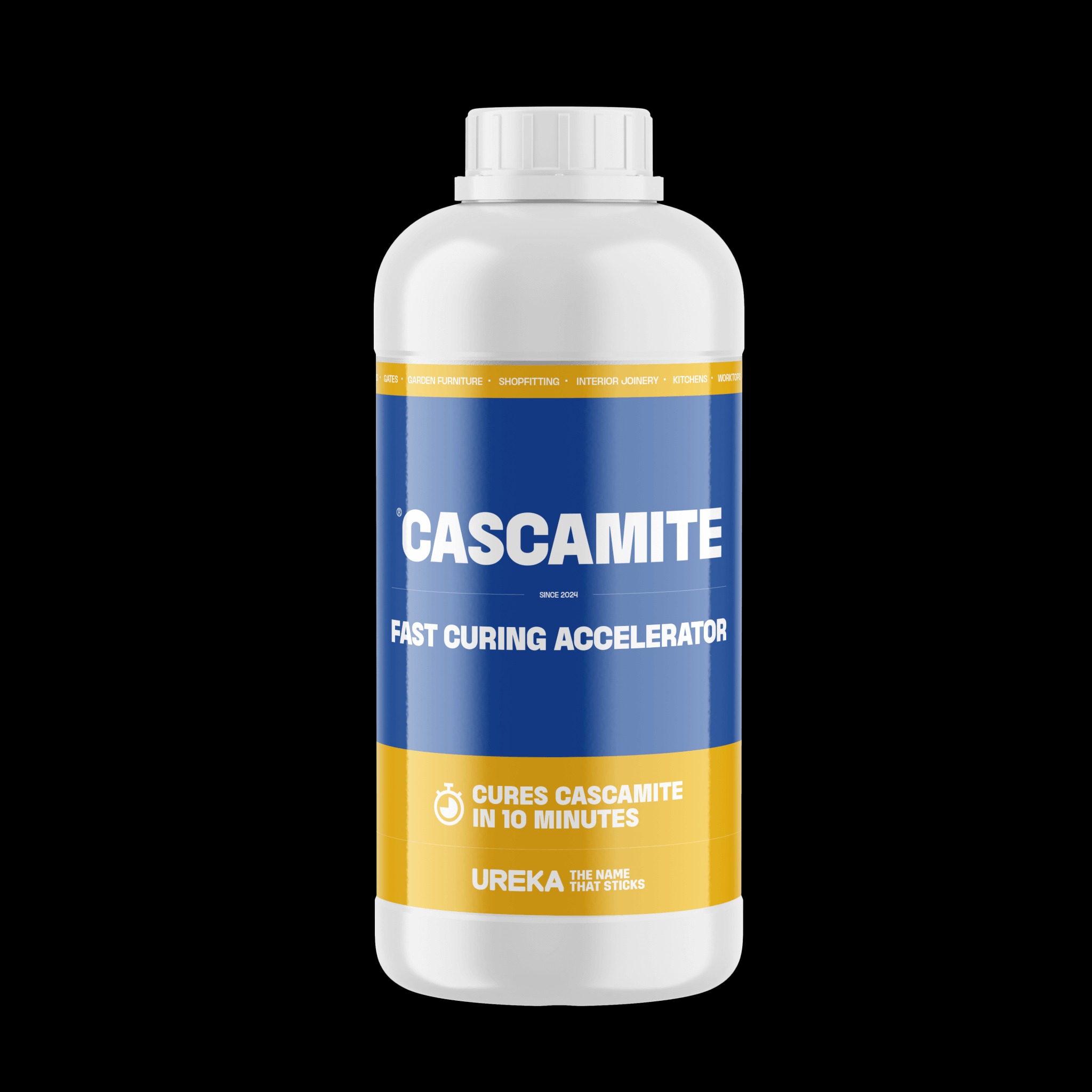
Selecting the right wood adhesive is one of the most important steps in any woodworking project. Whether you’re building furniture, repairing cabinets, creating joinery, or working on DIY crafts, the quality of the adhesive directly affects the strength and durability of the finished product. If you’re searching for the best wood glue, understanding the different types and their applications will help you achieve professional results.
Why Choosing the Right Wood Adhesive Matters
Not all wood glues are designed for the same purpose. Some are ideal for indoor furniture, while others are formulated to withstand moisture, temperature changes, and outdoor conditions.
A high-quality wood adhesive offers several advantages:
- Strong and durable bonds
- Improved resistance to moisture
- Reduced joint movement over time
- Easy application
- Long-lasting performance
Choosing the correct adhesive ensures your woodworking projects remain secure and reliable for years.
Types of Wood Adhesives
Different woodworking applications require different adhesive technologies.
PVA Wood Glue
Polyvinyl Acetate (PVA) glue is one of the most commonly used wood adhesives. It is easy to apply, dries relatively quickly, and works well for indoor furniture, cabinetry, and general woodworking.
Powdered Resin Wood Glue
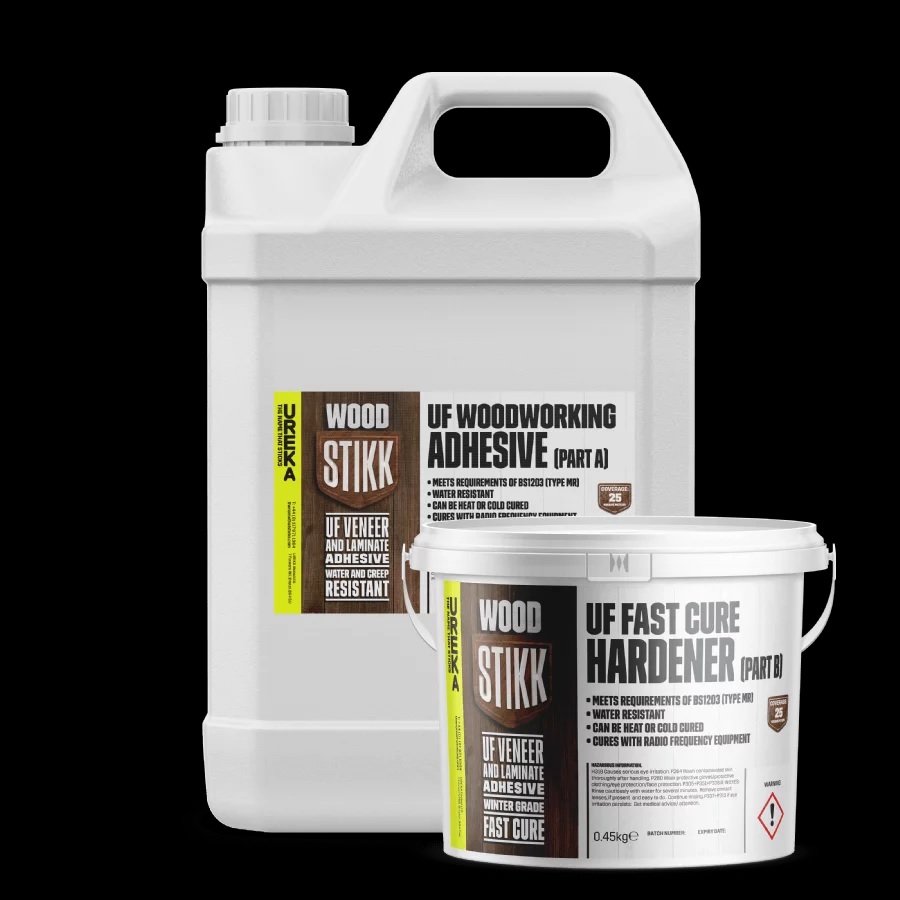
Powdered resin adhesives, such as Cascamite, are mixed with water before use. They create exceptionally strong, rigid bonds with excellent water resistance, making them suitable for structural joinery, laminating, and veneering.
Polyurethane Adhesives
Polyurethane adhesives offer excellent water resistance and bond a wide variety of materials, including wood, metal, and plastics. They are commonly used for exterior woodworking projects.
Epoxy Adhesives
Epoxy adhesives provide outstanding strength and gap-filling capabilities, making them suitable for repairs and applications involving uneven surfaces.
What Makes the Best Wood Glue?
The best wood glue depends on the project requirements rather than a single product.
Consider these factors:
- Indoor or outdoor use
- Water resistance
- Working time
- Clamping time
- Gap-filling ability
- Required bond strength
For demanding joinery and laminating projects, powdered resin wood adhesives are often preferred because they create rigid, non-creeping joints with excellent durability.
Applications of Wood Adhesive
A quality wood adhesive can be used in many woodworking applications.
Common uses include:
- Furniture assembly
- Cabinet making
- Veneering
- Laminating
- Door and window manufacturing
- Wood repairs
- DIY woodworking projects
Selecting the right adhesive helps ensure strong joints while reducing the risk of future failures.
Tips for Using Wood Glue Effectively
Proper application plays an important role in achieving the strongest possible bond.
Follow these best practices:
- Ensure surfaces are clean and dry.
- Apply an even layer of adhesive.
- Clamp the joint firmly during curing.
- Follow the recommended curing time.
- Remove excess glue before it hardens.
These simple steps can significantly improve the durability and appearance of finished projects.
Why Powdered Resin Adhesives Remain Popular
Many professional woodworkers continue to use powdered resin adhesives because of their excellent performance in structural applications.
Benefits include:
- High water resistance
- Strong, rigid bond
- Excellent gap-filling properties
- Long shelf life before mixing
- Suitable for interior and exterior joinery
Products like Cascamite only require mixing with water and are widely used for cabinet making, laminating, veneering, and woodworking projects that demand long-lasting performance.
Choosing the Right Adhesive for Your Project
Before selecting a wood glue, consider:
- The type of wood being bonded
- Indoor or outdoor use
- Expected load on the joint
- Exposure to moisture
- Required curing time
- Ease of application
Matching the adhesive to the project helps achieve better strength, durability, and long-term performance.
Conclusion
Choosing the right wood adhesive is essential for creating durable, high-quality woodworking projects. Whether you’re assembling furniture, repairing timber, or working on complex joinery, selecting the best wood glue for your application ensures stronger bonds and longer-lasting results. Understanding the strengths of different adhesive types allows both professionals and DIY enthusiasts to complete projects with greater confidence and reliability.
5 FAQs
1. What is the best wood adhesive for furniture?
PVA wood glue is commonly used for indoor furniture, while powdered resin and polyurethane adhesives are better suited for demanding structural or moisture-resistant applications.
2. What makes powdered resin wood glue different?
Powdered resin glue is mixed with water before use and creates a rigid, water-resistant bond that resists joint movement over time.
3. Can wood adhesive be used outdoors?
Yes. Certain adhesives, including polyurethane and weather-resistant powdered resin glues, are suitable for exterior woodworking projects.
4. How long does wood glue take to cure?
Curing time varies depending on the adhesive type, temperature, and humidity. Always follow the manufacturer’s instructions for the best results.
5. Is stronger wood glue always better?
Not necessarily. The best wood glue depends on the project, materials, environmental conditions, and the type of joint being bonded.


recent post
Why Should You Hire a Professional Paving Installer Colchester?
September 7, 2026

How Can a Wedding Photographer Colchester Capture Your Special Moments?
September 7, 2026
How Can Abbotsford Residential Pest Control Protect Your Family?
September 7, 2026

What Are the Best Odisha Tour Packages for First-Time Visitors?
September 7, 2026
CONTACT US

Category
MUST READ
Popular Posts