When Should Your Child Visit a Pediatric Orthodontist?
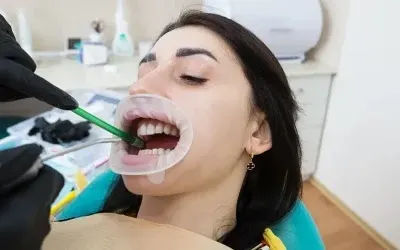
Parents often wonder when their child should first visit an orthodontist. Many people assume that orthodontic care should begin only after all permanent teeth appear. However, an early evaluation can help identify developing dental and jaw concerns before they become more complicated.
The American Association of Orthodontists recommends that children have their first orthodontic checkup by around age seven. At this age, an orthodontist can examine how the jaw develops, how permanent teeth are emerging, and whether the bite shows signs of future problems.
An early visit does not always mean your child needs braces immediately. In many cases, the orthodontist simply monitors growth and tooth development. This approach allows parents to understand what to expect and when treatment may become appropriate.
What Signs Show That Your Child May Need Orthodontic Care?
Several signs can indicate that a child could benefit from an orthodontic evaluation. Parents should pay attention to unusual tooth development, bite problems, or difficulty with everyday oral functions.
Common signs include:
- Crowded or overlapping teeth
- Teeth that appear unusually spaced
- Difficulty biting or chewing food
- Teeth that do not meet properly
- Protruding front teeth
- Crossbite, underbite, or overbite
- Early or late loss of baby teeth
- Mouth breathing
- Jaw clicking or discomfort
- Difficulty closing the lips comfortably
- Teeth that erupt in unusual positions
If you notice one or more of these concerns, searching for a pediatric orthodontist near me can help you find a professional who can assess your child’s development.
Why Can an Early Orthodontic Evaluation Help?
Children’s jaws and teeth continue to develop as they grow. An orthodontist can identify problems while the jaw is still developing and determine whether early intervention could help.
Early evaluation may help an orthodontist monitor tooth eruption, guide developing dental structures, and identify bite concerns. In some cases, treatment during childhood can create better conditions for permanent teeth to develop properly.
However, every child develops differently. An orthodontist should evaluate the child’s individual needs instead of recommending treatment based only on age.
Does Every Child Need Braces at a Young Age?
No. An early orthodontic appointment does not automatically mean your child needs braces.
Some children may need immediate treatment, while others may benefit from observation. An orthodontist may recommend waiting until more permanent teeth appear before beginning treatment.
This monitoring period allows the orthodontist to track jaw growth and tooth movement. If a concern becomes more noticeable, the orthodontist can recommend treatment at the appropriate stage.
Parents should also understand that orthodontic treatment varies from child to child. Some children need braces, while others may need appliances or a different treatment approach.
When Might Braces Become Necessary?
Braces can correct several common alignment and bite concerns. Orthodontists may recommend them when permanent teeth become crowded, rotated, spaced, or incorrectly positioned.
Braces work by applying controlled pressure that gradually moves teeth into better positions. Depending on the child’s dental development, an orthodontist may recommend traditional metal braces, ceramic braces, clear aligners, or other orthodontic appliances.
The timing depends on factors such as tooth development, jaw growth, bite alignment, and the severity of the concern.
Parents looking for affordable braces Miami options should compare treatment plans carefully rather than choosing a provider based only on price. A clear treatment plan, experienced orthodontic team, appropriate follow-up, and suitable treatment method all matter.
What Happens During a Pediatric Orthodontic Consultation?
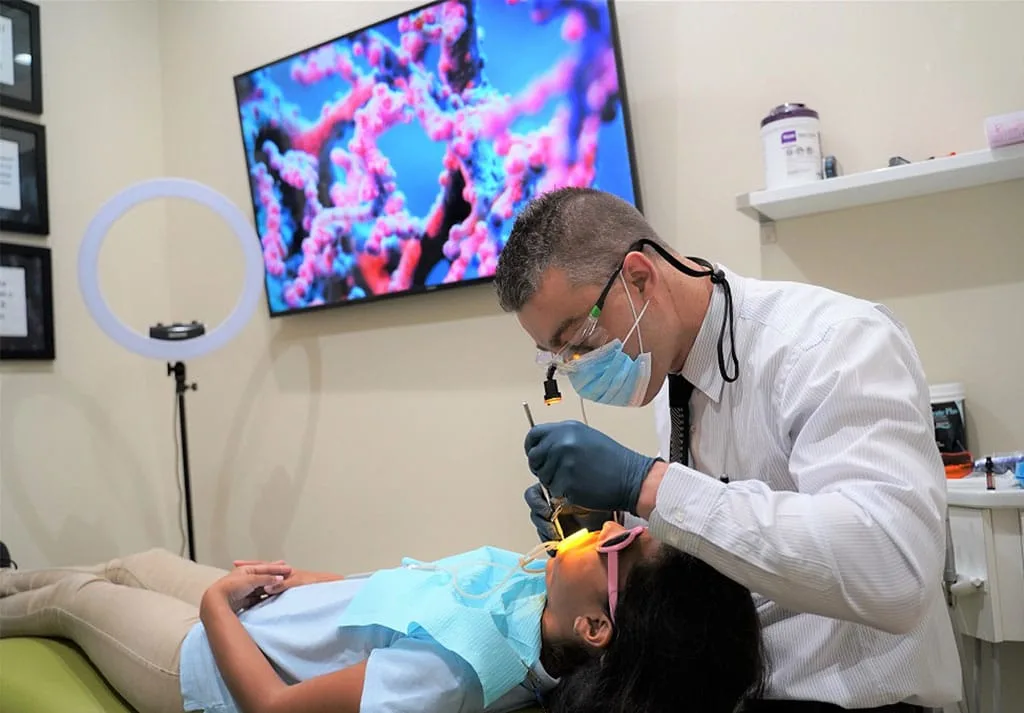
A first orthodontic consultation is usually straightforward. The orthodontist examines the child’s teeth, bite, jaw relationship, and overall oral development.
The appointment may include:
- A review of dental and medical history
- Examination of the teeth and gums
- Assessment of the bite
- Evaluation of jaw growth
- Review of tooth eruption
- Dental photographs or imaging when appropriate
- Discussion of possible treatment options
The orthodontist then explains whether treatment is needed immediately, later, or not at all.
At Ivanov Orthodontic Experts, parents can discuss their child’s orthodontic development and learn what treatment timing may be appropriate for their individual needs.
How Can Parents Prepare Their Child for an Orthodontic Visit?
Children can sometimes feel nervous about visiting a new dental specialist. Parents can make the experience easier by explaining what will happen in simple and positive language.
Avoid telling your child that the appointment will hurt. Instead, explain that the orthodontist will look at their teeth, ask questions, and check how their smile is developing.
Parents can also encourage children to ask questions. Helping children understand the purpose of the visit can make them feel more comfortable and involved in their care.
Can Baby Teeth Affect Future Orthodontic Treatment?
Yes, baby teeth play an important role in guiding permanent teeth. Losing baby teeth too early or too late can sometimes affect how permanent teeth develop.
For example, premature tooth loss can allow neighboring teeth to shift into the open space. This movement may reduce the room available for a permanent tooth.
An orthodontic evaluation can help identify these developmental concerns. The orthodontist can then monitor the situation and determine whether intervention is necessary.
How Does Jaw Growth Influence Orthodontic Treatment?
Jaw development plays an important role in orthodontic treatment. Some bite problems involve differences between the upper and lower jaws rather than tooth alignment alone.
During childhood and adolescence, the jaws continue to grow. An orthodontist can monitor this growth and determine whether treatment could benefit from addressing a developing jaw relationship at the right time.
This is one reason early evaluation can be useful even when a child does not currently need braces.
How Can Parents Find the Right Pediatric Orthodontist?
Choosing an orthodontist involves more than searching for the closest office. Parents should consider the orthodontist’s experience with children, available treatment options, communication style, office environment, and approach to treatment planning.
When searching for a pediatric orthodontist near me, parents can create a shortlist and schedule consultations. Ask how the orthodontist evaluates growth, when treatment should begin, what options may be appropriate, and how follow-up appointments work.
Parents can also ask about treatment costs and payment options. If affordability is important, discuss affordable braces Miami options directly with the orthodontic office to understand what the quoted cost includes.
Why Is Ongoing Orthodontic Monitoring Important?
Orthodontic care does not always happen in one appointment. Children’s teeth and jaws change as they grow, so regular monitoring can help an orthodontist recognize changes over time.
A child who does not need treatment at age seven may benefit from orthodontic treatment several years later. Regular dental care and appropriate orthodontic monitoring help parents stay informed about these changes.
At Ivanov Orthodontic Experts, an individualized approach can help families understand their child’s orthodontic development and make informed decisions about the timing of treatment.
When Should You Schedule Your Child’s First Orthodontic Visit?
The ideal time to schedule an initial orthodontic evaluation is around age seven, or sooner if you notice a dental or bite concern. Early assessment gives an orthodontist an opportunity to identify developing problems and determine whether treatment should begin now or later.
Remember that an evaluation does not necessarily mean braces. It gives parents useful information about their child’s teeth, jaw growth, and future orthodontic needs.
By paying attention to signs such as crowding, bite problems, unusual tooth eruption, or difficulty chewing, parents can seek professional advice at the right time. A timely consultation can make orthodontic planning more predictable and help support a healthy, confident smile as your child grows.




recent post

How Often Should You Take a Salesforce Admin Practice Exam?
September 16, 2026
When Should Your Child Visit a Pediatric Orthodontist?
September 16, 2026

How Does Modern Technology Improve Retirement Village Construction?
September 16, 2026

Why Choose Small Group Pilates Houston for Your Fitness Goals?
September 16, 2026

Why Should You Choose Durable Shower Valve Parts?
September 15, 2026
CONTACT US

Category
MUST READ


Popular Posts